The Middle East on the Brink of a Major War
For the fourth consecutive day, the world has been watching—some from the sidelines, others directly involved—the escalating conflict in the Middle East. On February 28, the United States and Israel launched what they described as “large-scale military operations” and “preemptive strikes.” What began as a targeted confrontation is rapidly expanding, with the potential—depending on its duration—to move from regional destabilization to broader implications for global security, including the trajectory of Russia’s war against Ukraine.
Washington and Tel Aviv’s apparent determination to resolve the question of the Iranian regime’s future swiftly has triggered a new phase of escalation. After U.S. and Israeli strikes on Iranian targets, Tehran retaliated by attacking Arab states in the Persian Gulf. Qatar, the UAE, Bahrain, Kuwait, Saudi Arabia, and Jordan have reserved the right to respond, including militarily, while demonstrating a relatively high level of air defense preparedness.
Yet none of these states seeks full-scale war. Prolonged conflict would threaten oil and gas revenues, strain domestic stability, and significantly raise political and financial costs. Repelling isolated attacks is one matter; sustained participation in a regional war is quite another.
Following the launch of the operation against Iran, Israeli Prime Minister Benjamin Netanyahu stated that it would “create the conditions for the brave Iranian people to take their destiny into their own hands.” Assessing the strength of the Iranian public’s response and their ability to overthrow the regime from within is now difficult. However, it is already clear that achieving this very quickly and “painlessly” for Iranian society is unlikely.
Even the elimination of the long-standing Supreme Leader failed to produce a unified national response. Many Iranians took to the streets to mourn Khamenei rather than to demand regime change. Over decades, Tehran has constructed a harsh but resilient system rooted in religious authority, ideological control, patronage networks, and coercive force—directed both outward and inward. Entrenched anti-Western rhetoric, institutional rigidity, and the historical complexity of regime change make a Venezuelan-style transition highly improbable. At the same time, the long-term sustainability of the regime in its current form is equally uncertain.
A STRIKE DURING RAMADAN AND AMID NEGOTIATIONS
Iranian officials stressed that the assault—like previous strikes—occurred during active negotiations, at a moment when talks were reportedly nearing agreement. From Washington’s perspective, however, the situation looked markedly different.
According to U.S. envoy Steve Witkoff, Iranian negotiators claimed during earlier talks that they possessed sufficient highly enriched uranium to produce 11 nuclear weapons and asserted an “inalienable right” to continue enrichment. Analysts concluded that the uranium stockpile could potentially be enriched to weapons-grade (90 percent) within seven to ten days. Although the facilities required for such weaponization were reportedly damaged in prior U.S. strikes, the risk remained.
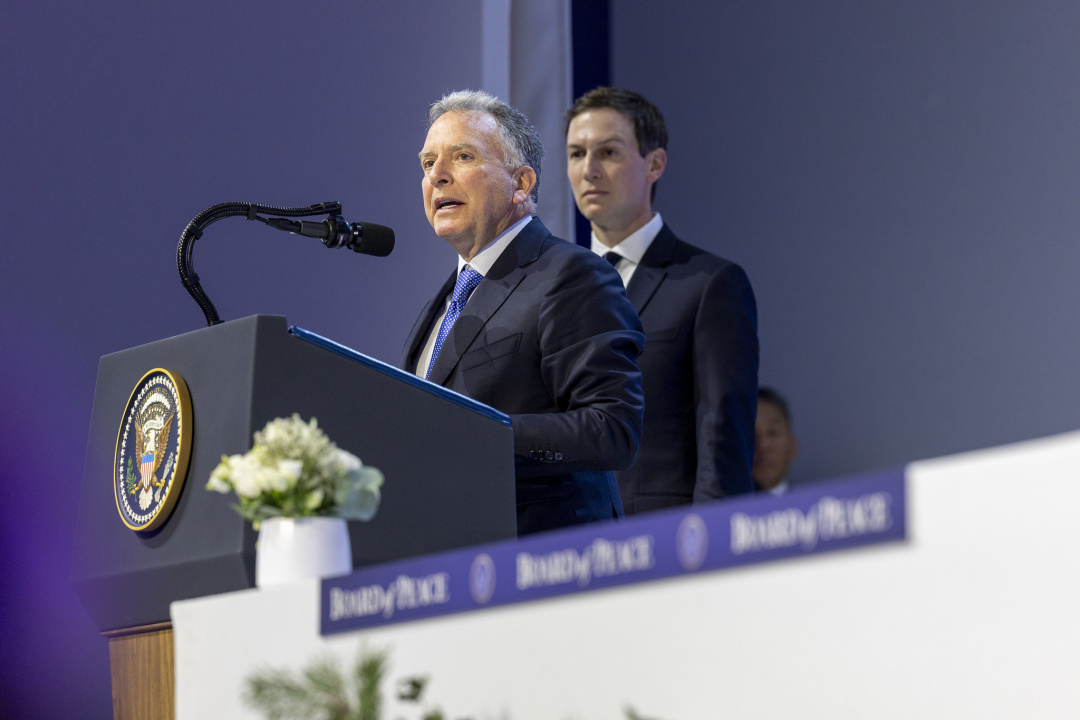
Steve Witkoff and Jared Kushner
Trump reportedly tasked Witkoff and Jared Kushner with securing a sweeping agreement requiring Tehran to dismantle its missile program (retaining only systems with a range of up to 300 km), end support for proxy groups such as Hezbollah, Hamas, and the Houthis, eliminate its naval capabilities, cease uranium enrichment entirely, and remove enriched uranium from the country.
While Tehran signaled possible flexibility on enrichment levels, it categorically rejected negotiations over its missile program—helping explain why Washington moved militarily once sufficient forces were positioned in the region.
For Gulf states cooperating with the United States, explaining to their populations why a strategic partner’s actions have triggered hostilities during the holy month of Ramadan presents its own political challenge.
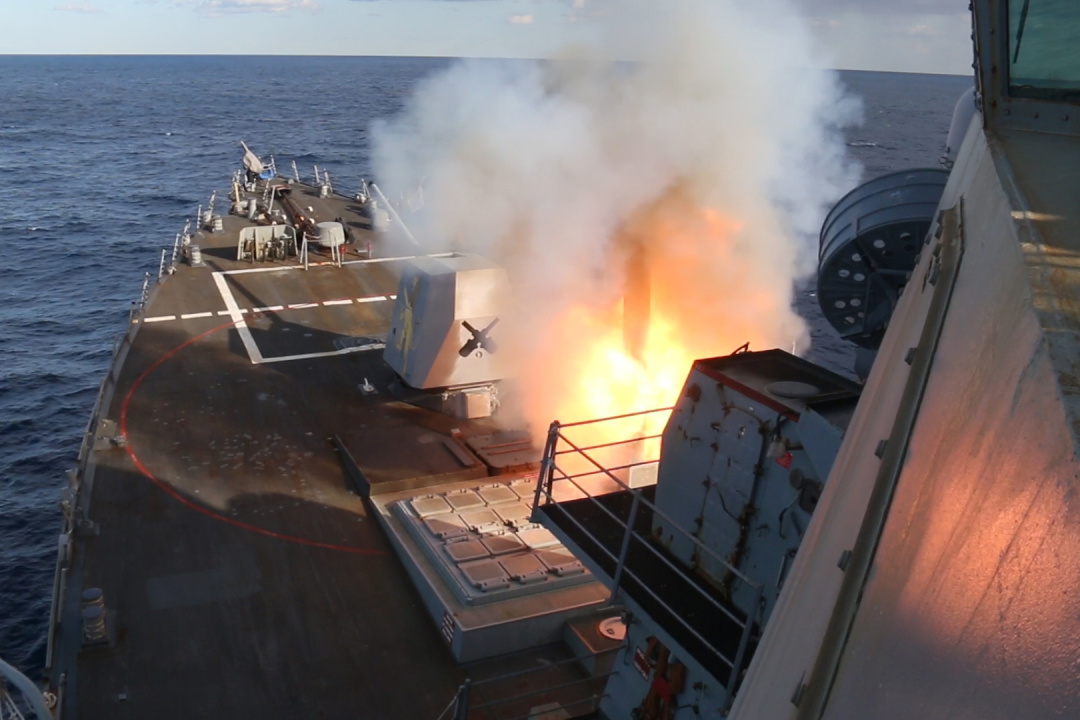
Some conspiracy theorists have even pointed to symbolism in the date of the attack—the 11th day of the 9th month in the Islamic calendar—drawing parallels with 9/11.
HOW THE ECONOMY CAN UNDERMINE IDEOLOGY
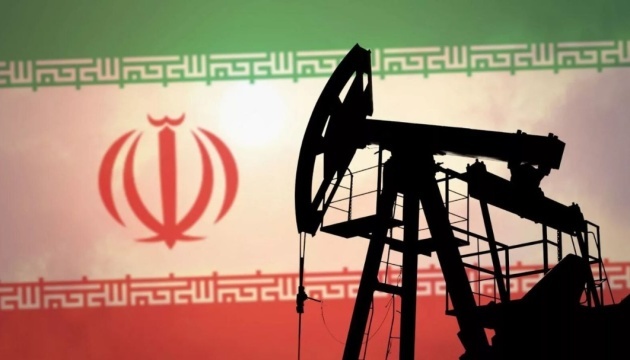
Analysts at JPMorgan Chase & Co. estimate that the most intense phase of the conflict may last no more than 25 days. Their assessment suggests that if shipping through the Strait of Hormuz were completely halted, major regional oil producers could sustain output for only about 25 days before being forced to curtail production.
The Strait of Hormuz—declared closed by Iran—is one of the world’s most critical energy chokepoints. Roughly one-fifth of global oil and LNG trade passes through it.
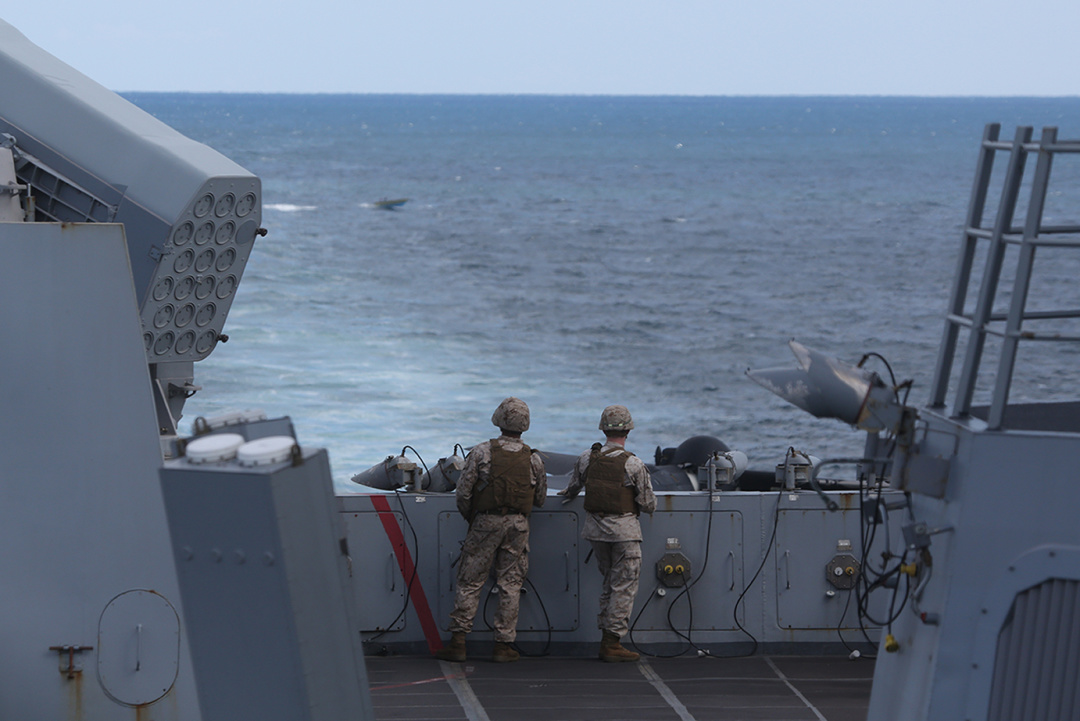
The Strait of Hormuz
The principal exporters using the route are Saudi Arabia, Iraq, the UAE, Kuwait, Iran, and Qatar (a leading LNG supplier). Between 70 and 80 percent of oil transiting the Strait flows to Asian markets, primarily China, India, Japan, and South Korea. Although the United States and Europe are less directly dependent on Gulf oil than in previous decades, they remain vulnerable to global price volatility.
In reality, the Strait is not entirely closed. Iran continues exporting oil—around 80 percent of it to China. However, the Islamic Revolutionary Guard Corps (IRGC) has warned that vessels transiting the Strait may be targeted. Following an attack near Oman’s Musandam Peninsula on the tanker Skylight, ships began accumulating near the entrances rather than proceeding through. Insurance premiums have surged, with some coverage suspended entirely.
The de facto closure of the Strait of Hormuz has already triggered an approximately 10 percent increase in oil prices. Analysts warn that sustained increases could trigger renewed global inflation. As Alan Gelder of Wood Mackenzie notes, the closest historical parallel is the 1970s oil embargo, when prices rose 300 percent. Adjusted to 2026 levels, that would equate to roughly $90 per barrel—a threshold that now appears entirely plausible. Even though several OPEC members have pledged to increase production, safe transit through Hormuz remains the decisive variable.
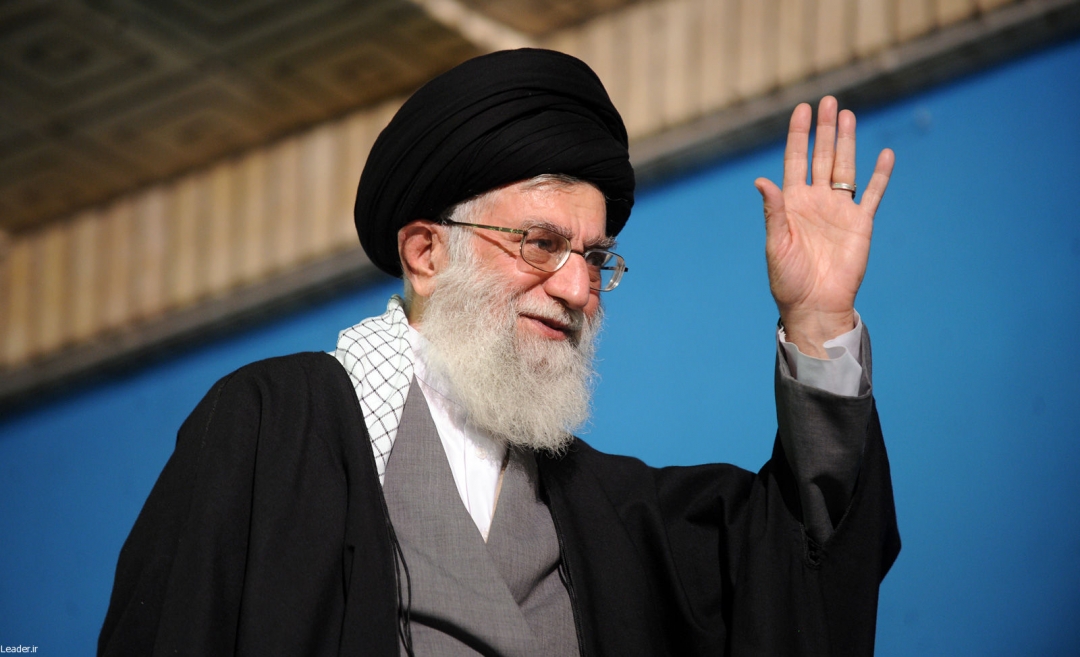
Ali Khamenei
WHO COMES AFTER KHAMENEI
Following Khamenei’s death, Article 111 of Iran’s Constitution entered into force. It stipulates that in the event of the death, resignation, or removal of the Supreme Leader, the country is to be governed by a three-member interim council.
Under Article 111 of Iran’s Constitution, the death of the Supreme Leader transfers authority to a three-member interim council composed of President Masoud Pezeshkian, Chief Justice Gholam-Hossein Mohseni-Ejei, and Guardian Council representative Ayatollah Alireza Arafi.
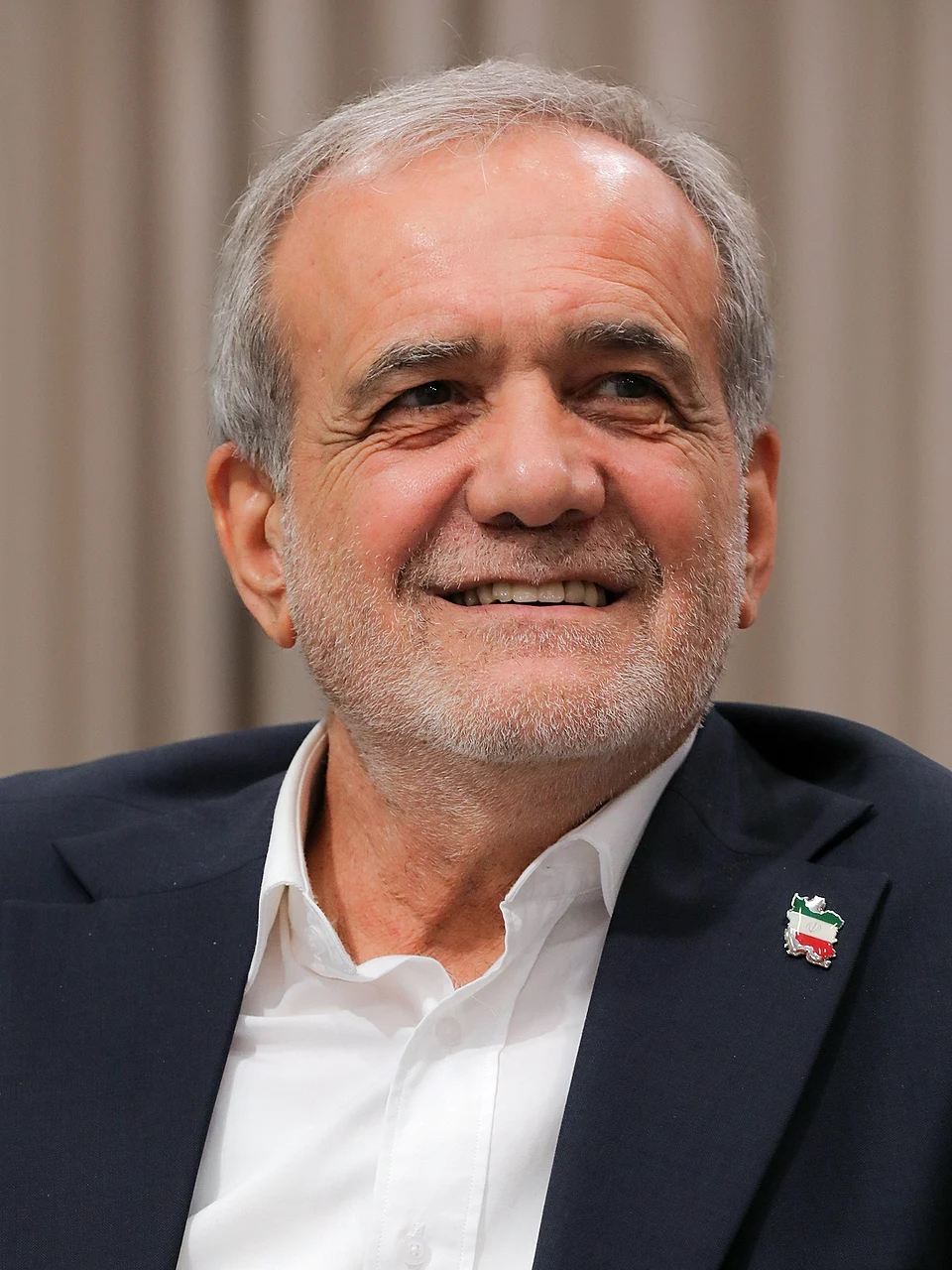
Masoud Pezeshkian
The Assembly of Experts—88 clerics—must elect the new Supreme Leader. Whether it can convene quickly amid security risks remains uncertain.
Khamenei reportedly began preparing for the appointment of a successor as early as last year, while in hiding during the 12-day war between Iran and Israel. Among the potential candidates was his chief of staff, Ali Asghar Hejazi, who was killed in the current attacks; Chief Justice Gholam-Hossein Mohseni-Ejei; and Hassan Khomeini, the grandson of former Supreme Leader Ayatollah Ruhollah Khomeini (Khamenei’s predecessor).
Mohseni-Ejei is regarded as a hardline conservative. Since 2011, he has been under U.S. and EU sanctions for his role in the brutal suppression of protests following the 2009 presidential election. More recently, when millions of Iranians took to the streets after the collapse of the rial, Mohseni-Ejei once again called for expedited trials and executions of protesters.
Hassan Khomeini—the grandson of Ruhollah Khomeini, founder of the Islamic Republic and leader of the 1979 revolution—is considered to have a credible chance of becoming the next leader. Although a cleric, he has not held public office. He is seen as relatively reform-minded and commands respect among the Islamic Revolutionary Guard Corps (IRGC) and senior Iranian clergy. Compared to other candidates, he is believed to hold more moderate views, maintain close ties with reformists, and show some openness to negotiations.
Among the potential contenders is also Mojtaba Khamenei, the 56-year-old son of the late Supreme Leader. Western media have described him as the head of a financial and investment empire who, despite sanctions, allegedly retains access to accounts in Western banks, owns elite real estate in developed countries, and wields significant influence within the political establishment and the IRGC.
However, being the son of the former Supreme Leader may hinder rather than help him, as hereditary succession from father to son in the Shiite clerical environment could provoke backlash. According to Western reports, Khamenei himself was opposed to a return to dynastic rule.
Another candidate is Alireza Arafi, a member of the Guardian Council and deputy chairman of the Assembly of Experts, who currently serves on the governing “triumvirate.” A trusted associate of Khamenei, he holds authority within religious communities, though his political influence and ties to the security forces are considered limited.
Mohammad Mehdi Mirbagheri, a radical cleric from the Assembly of Experts, is also mentioned as a potential candidate. He heads the Islamic Sciences Academy in Qom, the center of Shiism in northern Iran, and is known for his staunch anti-Western views.
Another possible contender is Hashem Hosseini Bushehri, First Deputy Chairman of the Assembly of Experts. Although close to Khamenei, he lacks strong ties to the IRGC.
THE SITUATION ON THE STREETS
The American operation was presented as fulfilling a promise of support that Trump had made to Iranians who had taken to the streets since late last year to protest against the regime. The calculation was that the Iranian regime had been weakened by these protests and that the population was ready to take the necessary steps toward its overthrow. Iran is also economically weakened and has not fully recovered militarily from last year’s twelve-day war.
Yet instead of a unified uprising, Iran now faces internal polarization. The neutralization of Khamenei has exposed a deep societal divide. Yet instead of a unified uprising, Iran now faces internal polarization. Some citizens celebrate the leader’s death, recalling repression and economic collapse. Others—supporters of the regime and those loyal to Khamenei’s spiritual path—has taken to the streets in mourning, demanding revenge for the leader’s death.
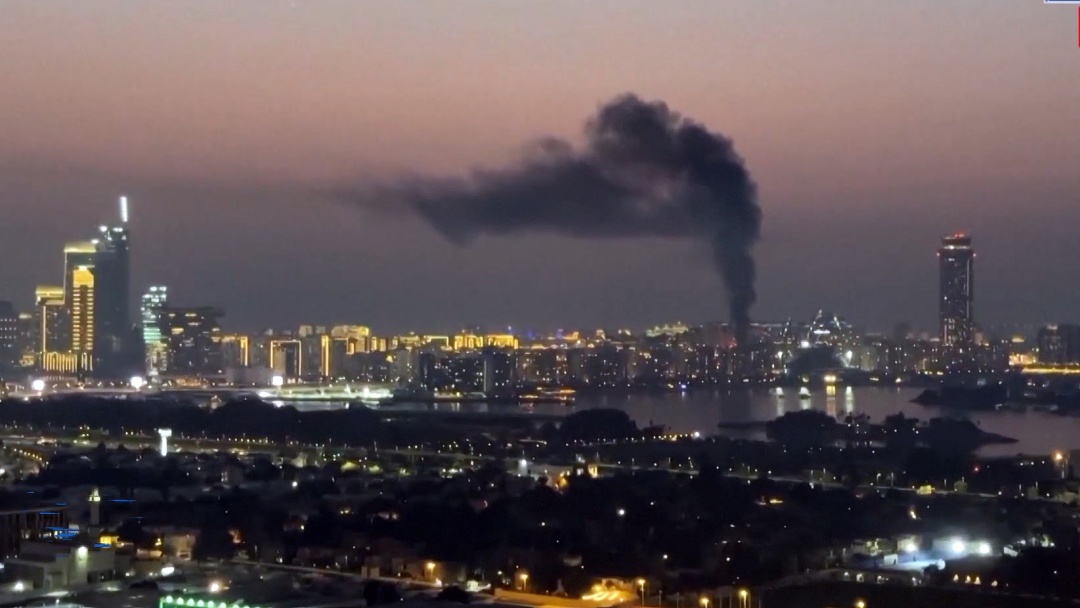
Thus, alongside hopes for reform, peaceful internal change, or the regime’s gradual departure, regional experts are voicing concerns that a weakening of central authority could lead to direct confrontation among Iranians themselves. Many Iranians fear that the collapse of the Islamic Republic could trigger internal conflict and chaos similar to what occurred in Iraq after the fall of Saddam Hussein’s regime -- marked by instability and fragmentation.
The history of the Iraq operation demonstrates that airstrikes and the removal of a leader alone do not ensure regime change. Without ground intervention—which neither Israel nor the United States currently signals—the outcome hinges on the cohesion and strength of domestic opposition forces —namely, youth movements, regime critics, and broader anti-government elements. Yet it remains unclear whether these forces are sufficiently strong and capable of coordinated action against a regime that continues to display resilience. Trump’s reference to Venezuela as an “ideal scenario” overlooks Iran’s distinct political culture, historical specificities, and the regime’s demonstrated resistance to external pressure.
WHAT REZA PAHLAVI PROMISES
In contrast to a scenario in which the current regime survives, there remains considerable hope that it could be overthrown without the country descending into civil war, paving the way for a pro-Western figure to assume power and direct national reconstruction along democratic lines. Since the emergence of a genuine reformer from within the existing system seems improbable, Western policymakers are reportedly placing their bets, among others, on Prince Reza Pahlavi.
President Trump cryptically mentioned three potential candidates, though he did not specify their names. It is highly likely that the prince is among them. At the time of the 1979 Islamic Revolution, Reza Pahlavi was undergoing flight training with the U.S. Air Force and did not return to Iran. After his father’s death in 1980, he became head of the Pahlavi dynasty in exile. He later moved to the United States, where he graduated from the U.S. Air Force Academy and the University of Southern California, while maintaining active contacts with European royal families. Pahlavi has consistently promoted plans for regime change in Iran, advocating a transition without direct foreign intervention, albeit with external support.
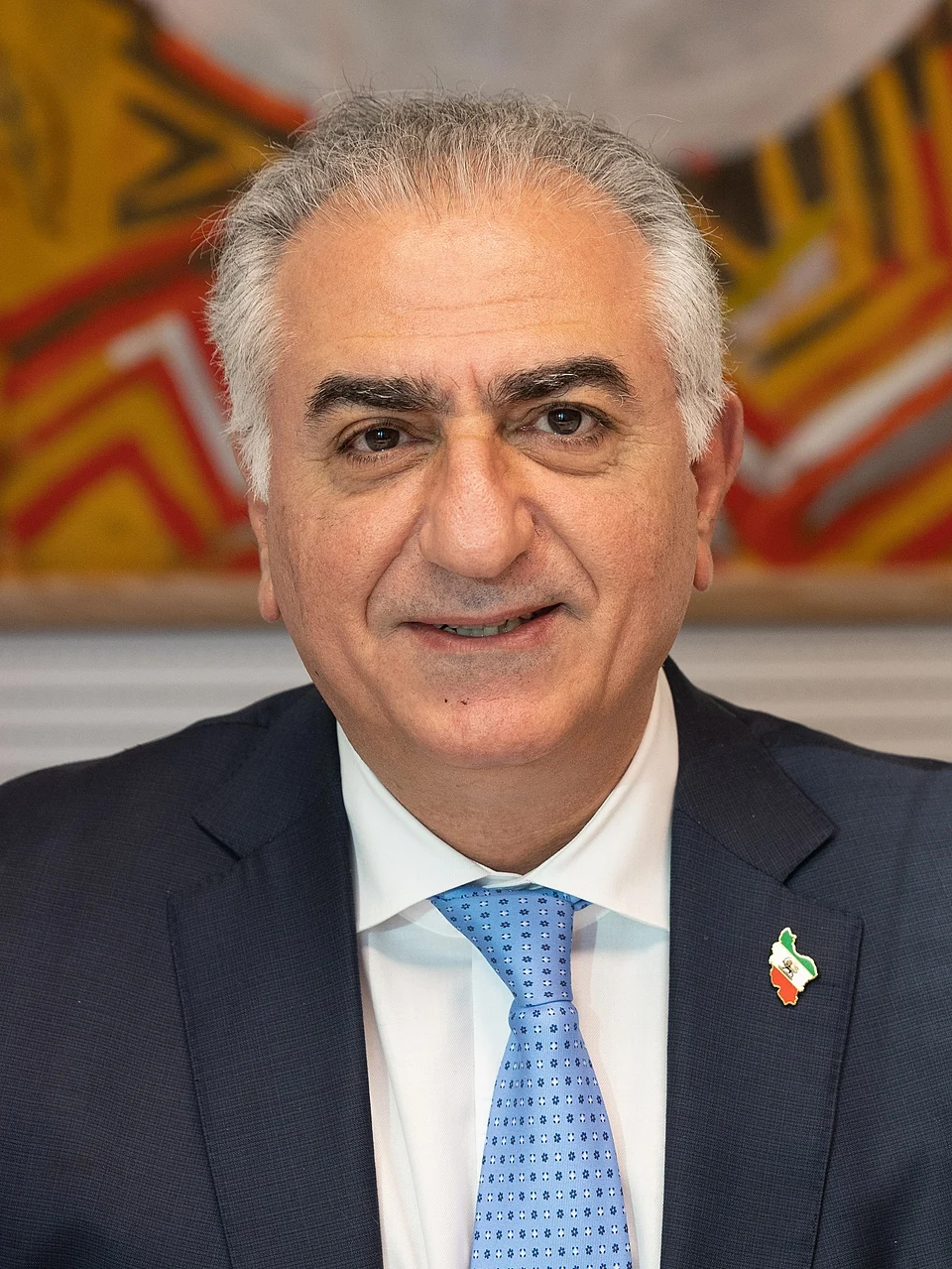
Reza Pahlavi
Since late last year, the prince has been highly active on the international stage and has assumed the role of leader of the protest movement inside the country. His Iran Prosperity Project outlines a structured roadmap for democratic transition. Its key document—the Emergency Phase Booklet (a transitional plan)—outlines the immediate steps to be taken in the event he comes to power, including provisions for international oversight of Iran’s nuclear program.
Under Pahlavi’s transitional plan, Iran’s nuclear program would be fully opened to international control under clearly defined deadlines. Within the first week after the regime’s fall, the transitional authorities would formally notify the International Atomic Energy Agency (IAEA) of their readiness to allow unrestricted inspections of all nuclear facilities, guaranteeing full transparency. Within the first month, international inspectors would be granted access to facilities in Natanz, Fordow, and Isfahan, and Iran would accede to the IAEA Additional Protocol on enhanced safeguards. Within 100 days, the plan envisions publication of a preliminary IAEA report, environmental and safety monitoring of facilities, and a reassessment of the future development of the nuclear program. Cooperation with the IAEA is intended to serve as the foundation for the gradual lifting of nuclear-related sanctions and the easing of economic pressure.
The plan encompasses all sectors—from politics, the economy, and security sector reform to cybersecurity, education, healthcare, and environmental policy. Its central premise is to avoid chaos, a security vacuum, and a repeat of the 2003 Iraqi scenario, when mass purges and the dissolution of the army led to destabilization and the rise of extremist groups. According to Pahlavi’s blueprint—developed in cooperation with leading experts and numerous respected advisers—the first 180 days after the regime’s fall would see a structured, phased transition toward democratic mechanisms for forming a new state system, alongside economic stabilization.
Frankly speaking, this is an ideal, benchmark scenario. In practice, events may unfold differently. The Islamic Revolutionary Guard Corps (IRGC) has long been—and remains—a powerful force and a guarantor of the regime’s survival. Pahlavi’s plan calls for the dissolution of the IRGC and the integration of all armed formations into a unified centralized structure. It would be naïve to assume that the IRGC and other security formations would not resist such a process or attempt to preserve the existing regime.
WHAT UKRAINIANS SHOULD EXPECT
The immediate effect for Ukraine is a shift in global strategic focus toward the Middle East. Even with approved aid packages, diplomatic and political attention is diluted. This factor could affect the negotiations. Given the circumstances, the next round of talks, previously announced for early March in Abu Dhabi, is unlikely to take place. The President of Ukraine has suggested that the venue may instead be in Europe or Turkey.
Depending on how long the Iranian operation lasts, a prolonged conflict could also redirect military resources. Extensive deployment of air defense and aviation assets by the United States, Israel, and Gulf states will require replenishment, potentially affecting production rates, supply chains, and supply priorities.
Sustained high energy prices—and their potential stabilization at elevated levels— could strain Ukraine’s economy, while simultaneously boosting Russia’s revenues and, consequently, its ability to sustain the war.
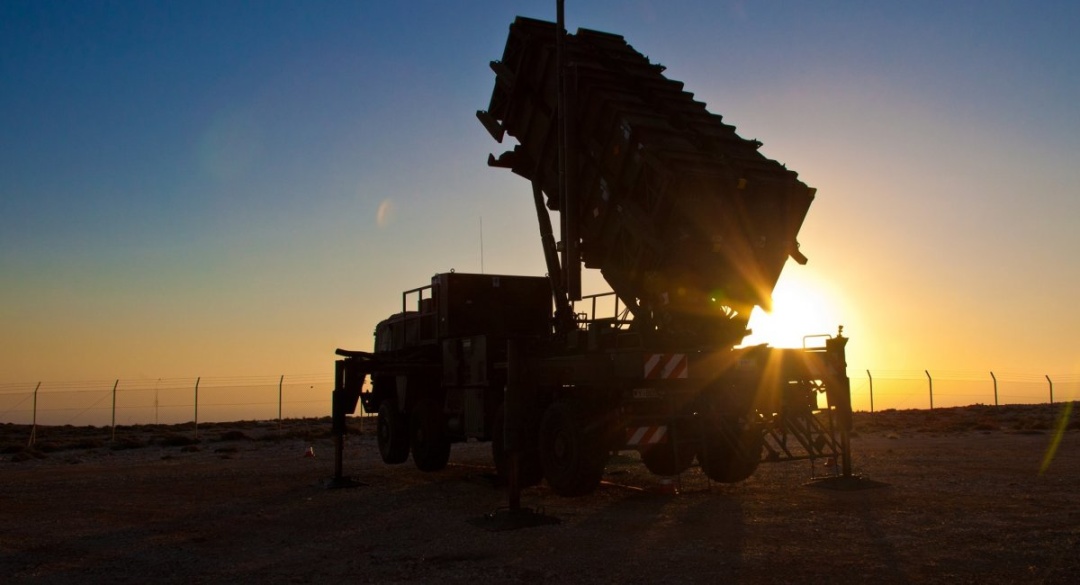
Patriot SAM system
Ukrainians broadly support the fall of the Iranian regime, which aided Russia in producing and supplying Shahed drones. At the same time, Ukraine stands in solidarity with the Iranian people, drawing from its own experience of confronting Soviet and Russian regimes.
While the United States and Israel are destroying Tehran’s military infrastructure, Russia is losing another key ally. This does not mean, however, that Moscow will fail to exploit the situation to its advantage. Initially, Russia refrained from openly backing the regime, confining itself to expressing “deep concern,” as it did in Syria, and is now calmly observing the destruction of its “friends” and their strategic assets. At the same time, the Iranian track is becoming an instrument of tactical maneuvering for Russia—allowing it to avoid direct involvement while benefiting from geopolitical distraction and rising energy prices.
Despite these risks, Ukraine possesses the institutional resilience, battlefield experience, and international partnerships necessary to continue resisting aggression—even amid shifting global priorities.
Olha Budnyk, Ankara