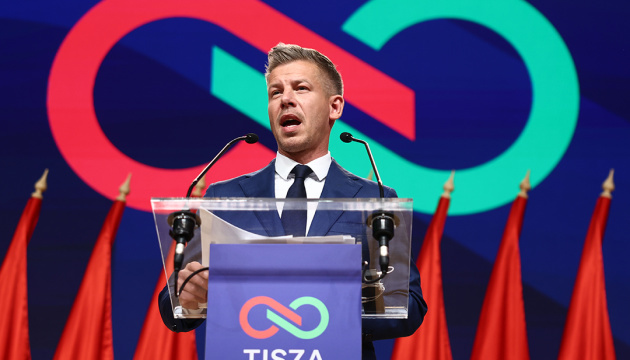
Orbán’s Era Comes to an End
On April 12, Ukraine marked Easter and Cosmonautics Day, while Hungary held parliamentary elections—an event set to shape not only the country’s future, but potentially Europe’s as well. The central question was whether frontrunner Péter Magyar and his Tisza party could unseat incumbent Prime Minister Viktor Orbán, who has ruled for 16 years alongside his political force, Fidesz, and prevent Hungary from drifting further toward Moscow within the EU.
It appears they have succeeded. Magyar—until recently little known even among Hungarians—has already received congratulations from Ukraine and European leaders. Who he is, what priorities he brings, and how he may reshape relations with Kyiv are questions Ukrinform set out to explore.
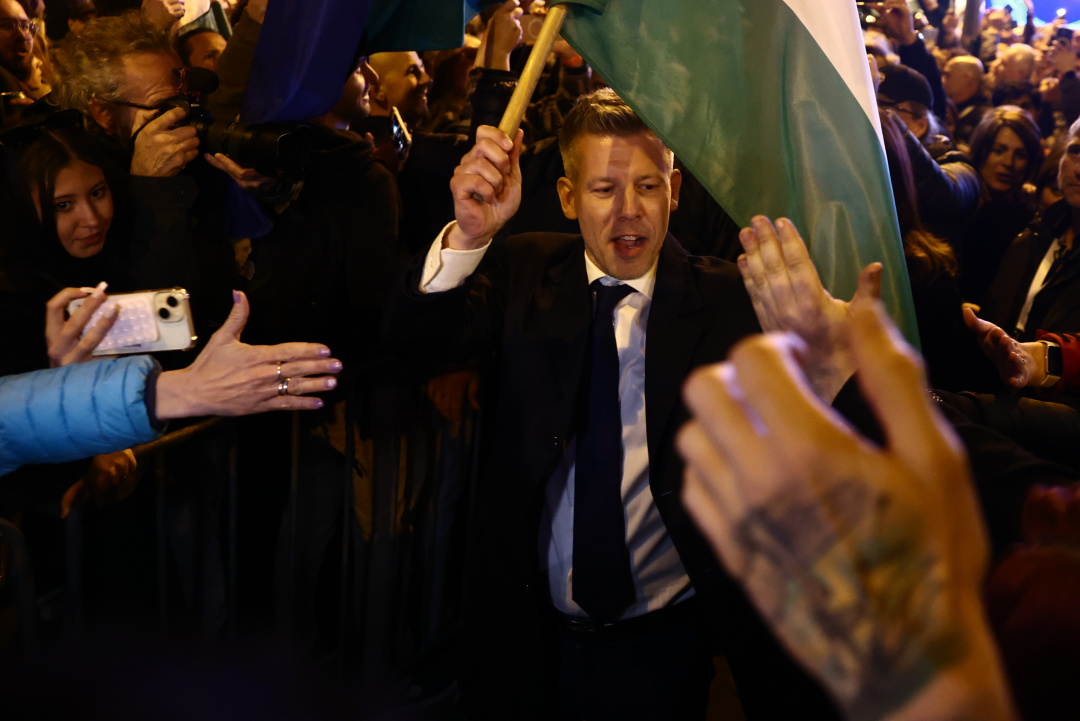
Photo: AA
MAGYAR DEFEATS ORBÁN IN LANDMARK ELECTION
Polling stations opened across Hungary at 6 a.m. on Sunday. The country operates a semi-proportional electoral system: of the 199 parliamentary seats, 93 are filled through nationwide party lists, while the remaining 106 are contested in single-member districts—constituencies that Orbán had previously redrawn to his advantage and on which he placed his primary strategic focus.
The incumbent Hungarian leader first became prime minister at 35, once seen as a rising reformer. Over 16 years in power, however, Viktor Orbán has come to embody entrenched populism. His allies occupy most key state positions, while figures close to him rank among the country’s wealthiest. A frequently cited symbol of this system is the Orbán family estate in Hatvanpuszta, acquired by his father in 2011—a 2,000-square-meter complex complete with a palm garden and even a private zoo with antelopes and zebras. Today, anti-government protests often feature demonstrators in zebra costumes—a satirical reference to this excess.
In explaining Hungary’s difficulties, Orbán has long relied on external scapegoats. In the past, these included LGBTQ+ communities and Hungarian-born American investor George Soros. Since the start of Russia’s full-scale invasion of Ukraine, however, Ukrainians themselves have increasingly been cast as responsible for Hungary’s problems.
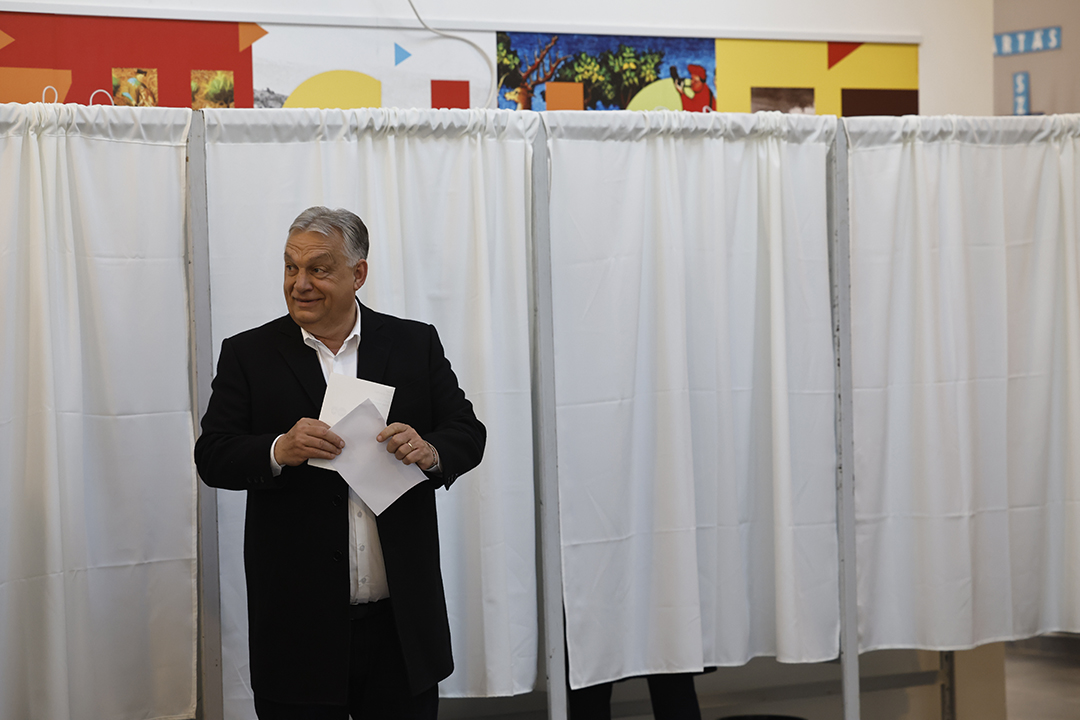
Viktor Orbán. AA Photo
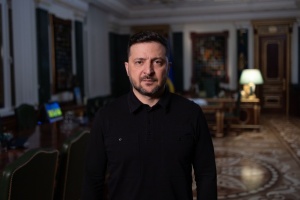
Ahead of the vote, images of Ukrainian President Volodymyr Zelensky with an outstretched hand covered walls and billboards across the country. The campaign also saw overt provocations: Hungarian authorities detained cash-in-transit vehicles and funds belonging to Ukraine’s Oschadbank, while Kyiv was accused of blocking the Druzhba pipeline—despite evidence that it had been targeted by Russian attacks.
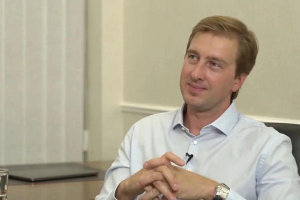
Despite this messaging, public fatigue with Orbán deepened—particularly after three years of economic stagnation and rising living costs. Péter Magyar, a former Fidesz insider, successfully tapped into this sentiment. He rose to national prominence following a scandal in which President Katalin Novák pardoned an individual convicted of child sexual abuse. Magyar’s former wife, Judit Varga, then serving as justice minister, resigned after signing the pardon.
Magyar soon left his government posts and launched a direct challenge to the ruling system, accusing it of systemic corruption. His interview with the outlet Partizán—viewed more than 2.8 million times in a country of under 10 million—marked a turning point. Later that year, at a mass protest, he announced his alignment with the Tisza party. From that moment on, he steadily eroded the ruling party’s support through sustained and targeted criticism.
The elections drew close attention from Brussels, Kyiv, Moscow, and Washington. A defeat for Orbán carried broader implications: it could unlock €90 billion in frozen EU funding and deprive Russia of its closest ally within the bloc.
Polls in the final two weeks suggested a clear shift in momentum, with Fidesz trailing Tisza by 7–9 percentage points. Magyar’s party was polling at approximately 38–41 percent.
Voter turnout surged from the early hours, with nearly 17% of eligible voters casting their ballots within the first three hours after polls opened. According to Hungary’s National Election Office, overall turnout reached 77.8%, or more than 5.8 million voters.
Although the final outcome remained uncertain throughout the day, the result became clear just two hours after polling stations closed at 8:00 p.m.: Péter Magyar had won. With 99% of votes counted, his Tisza party secured 138 out of 199 parliamentary seats—well above the two-thirds threshold required for a constitutional majority.
Magyar was swiftly congratulated by European Commission President Ursula von der Leyen, French President Emmanuel Macron, and German Chancellor Friedrich Merz. Ukrainian President Volodymyr Zelensky also extended his congratulations, expressing readiness to build constructive, mutually beneficial relations.
Viktor Orbán, in turn, promptly acknowledged defeat and congratulated his opponent.
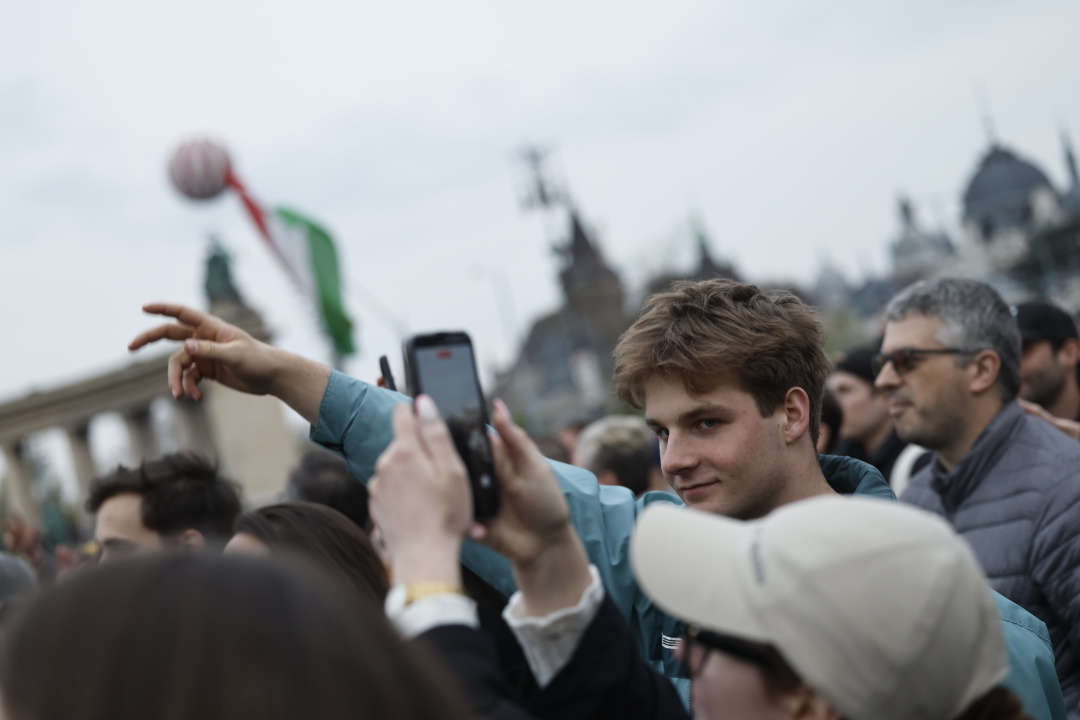
Photo: AA
YOUTH VOTE DRIVES SYSTEMIC CHANGE
In a bid to retain power, Orbán sought backing from Washington. U.S. Vice President J.D. Vance visited Hungary to campaign on his behalf, while President Donald Trump publicly urged voters to support the incumbent, promising to leverage America’s economic strength in Hungary’s favor. The Kremlin, for its part, also attempted to bolster Orbán’s position by deploying political strategists.
Yet external support proved insufficient. According to Tibor Tompa, head of the Hungarian community in Kyiv and the Kyiv region, the decisive factor was the mobilization of a younger generation increasingly disillusioned with Orbán’s rule.
“Orbán has effectively pushed them out of Hungary. Many have been forced to seek work abroad. What struck me was that thousands of young people returned—from London, Berlin, even Bali—just to vote. Eighty-five percent of them supported not only a change of prime minister, but a change of the system itself. They want the chance to live and work normally—an opportunity Orbán took away from them,” Tompa said.
In his view, the outcome reflects a broader geopolitical choice. “Hungary has signaled that its future lies with Europe, not Moscow. Neither Orbán, nor Fidesz, nor their electorate anticipated such massive voter turnout,” he added.
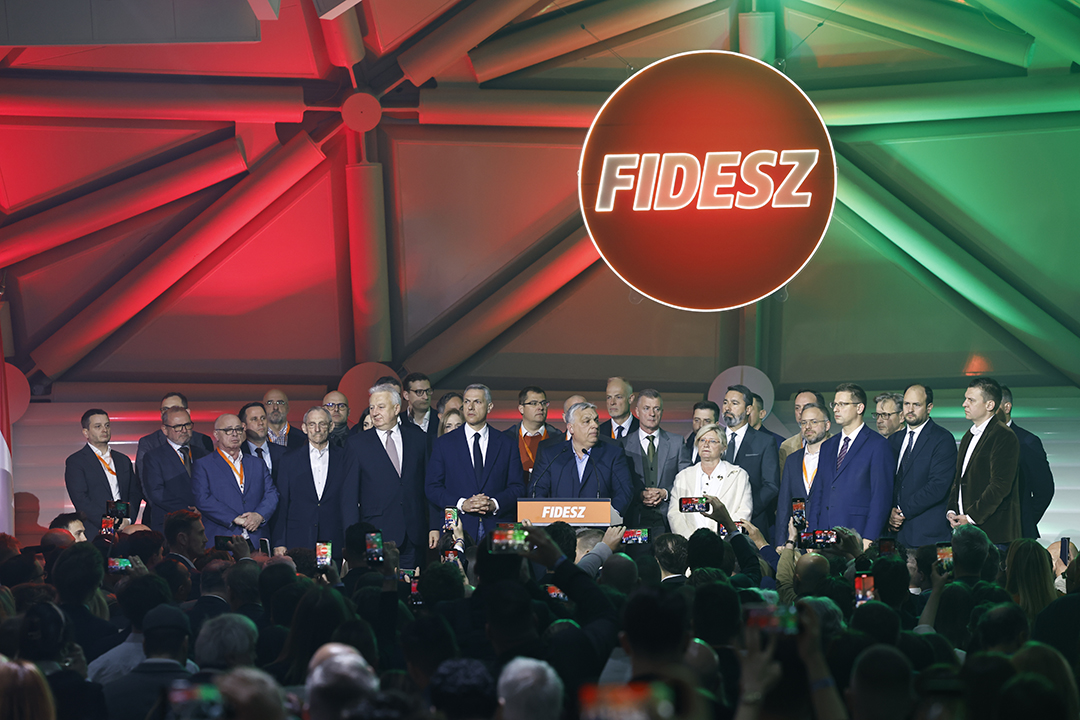
Magyar and his Tisza party will now control a two-thirds majority in Hungary’s National Assembly. According to Illia Yurchyna, an analyst at the Foreign Policy Council “Ukrainian Prism,” the final certification of results could take up to a week, while forming a new government may require up to three additional weeks.
Yurchyna expects Magyar to prioritize restoring relations with the European Union and advancing reforms necessary to unlock frozen EU funding. Securing these resources will be critical to delivering tangible, socially visible results in the short term.
CONSTITUTIONAL MAJORITY CLEARS PATH FOR REFORM
Yurchyna argues that Tisza’s constitutional majority effectively gives it a free hand to dismantle Orbán’s institutional legacy. This includes the potential removal of judges and senior officials appointed under the previous administration, significantly reducing their influence.
Roland Tseber, head of the Alliance of National Communities “European Coalition” and a deputy of the Zakarpattia Regional Council, shares this assessment. “Patience has run out in Hungary. This is a constitutional majority—and a decisive break. Orbán no longer holds real leverage. Péter has already called for the resignation of the president, the prosecutor general, and the heads of law enforcement agencies. A new parliament will convene in May, where he is expected to be elected prime minister,” he said.
“Fidesz—once the Alliance of Young Democrats—is no longer an alliance, no longer democratic, and no longer young,” added Tibor Tompa. “It is unlikely to compete with the political force that Péter Magyar now represents, backed by a new civic movement.”
At the same time, a political comeback by Orbán cannot be ruled out. He may attempt to undermine the new government and position himself for a return in future parliamentary elections—or potentially seek the presidency.
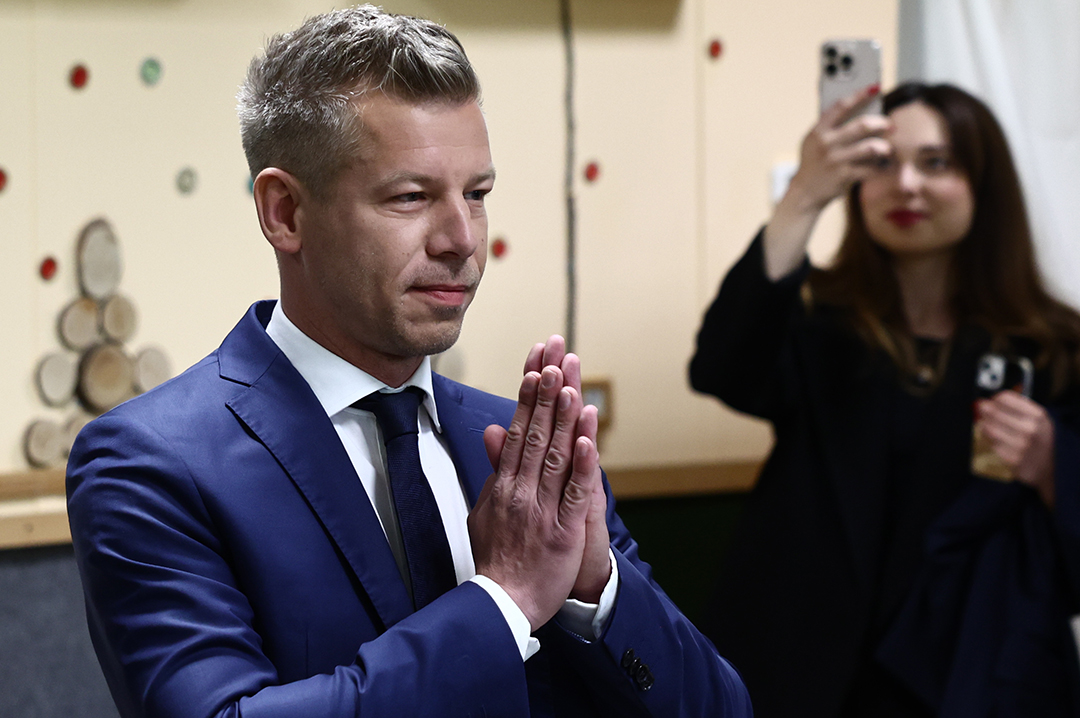
Péter Magyar. Photo: AA
WHAT TO EXPECT FROM HUNGARY’S NEW PRIME MINISTER ON UKRAINE
In the summer of 2024, a Russian cruise missile struck Ukraine’s largest children’s hospital, Okhmatdyt. Images of children evacuated while still connected to life-support equipment shocked the world. Shortly afterward, Hungarian opposition leader Péter Magyar visited Kyiv and delivered aid to the damaged facility. He stated that “the Hungarian people understand that Russia attacked Ukraine and fully support Ukraine’s restoration of its territorial integrity within internationally recognized borders.”
Ukraine’s Foreign Minister Andrii Sybiha has expressed cautious optimism about rebuilding relations with Budapest following the election. “Our peoples deserve such relations. We are open to this and have already sent signals to establish contact at the level of the President of Ukraine and Mr. Magyar. We are ready to begin this dialogue immediately and to build proper, good-neighborly relations,” he said the day after the opposition’s victory.
Roland Tseber, who accompanied Magyar during visits to Zakarpattia and Kyiv, emphasizes that the new Hungarian leader is aware of the extent of Kremlin influence on Hungary. At the same time, he expects Magyar to remain a pragmatic, nationally oriented politician, focused primarily on representing Hungarian interests.
Analyst Illia Yurchyna of the Foreign Policy Council “Ukrainian Prism” does not expect Hungary’s incoming leadership to approve military aid to Ukraine. However, he believes Kyiv may gain a real opportunity to resolve long-standing issues related to ethnic minorities in its dialogue with Budapest.
Representatives of the Hungarian community in Kyiv and Zakarpattia also express cautious optimism that Orbán’s political legacy can be overcome.
“Péter Magyar does not confuse black with white and clearly understands the situation of Hungarians in Zakarpattia. I explained everything to him in detail long ago. Our peoples are not enemies—we must be good neighbors,” said Roland Tseber, reflecting on his communication with the election winner.
“I told Péter that Ukrainian Hungarians also aspire to join the European Union. By supporting this, he would help bring our nations closer together,” added Tibor Tompa.
Ivan Kosyakin, Kyiv
Headline photo via AA