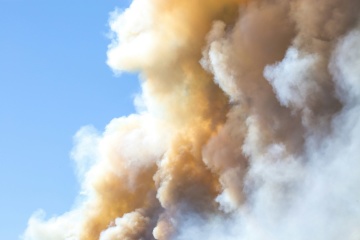
Russian troops strike Kharkiv
On the morning of January 19, the Russian army struck the Slobidskyi district of Kharkiv.
 Founded in 1918
Friday, 17 April 2026, 19:29
19 January 2026
On the morning of January 19, the Russian army struck the Slobidskyi district of Kharkiv.
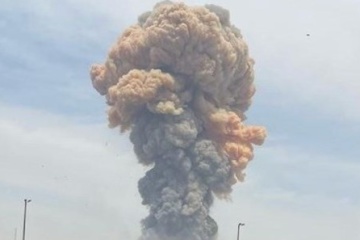
Russian troops have attacked Zaporizhzhia; there may be disruptions in water and electricity supply.

The operational situation in the Pokrovsk sector remains difficult, with about 50 combat clashes occurring there each day, but the Ukrainian troops are holding their ground.
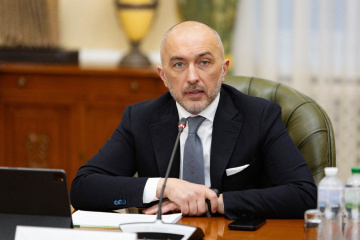
The introduction of the shah is about a final break with Moscow in a crucial sector such as monetary circulation
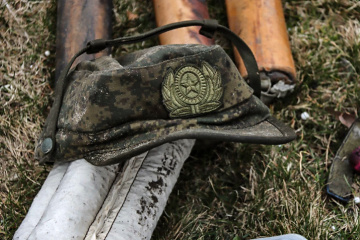
Russian troops are abandoning their comrades and leaving combat positions.
18 January 2026
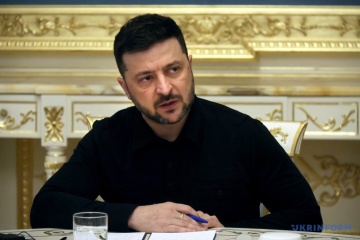
Nearly 58,000 people are working around the clock in repair teams on power grids and generation facilities.
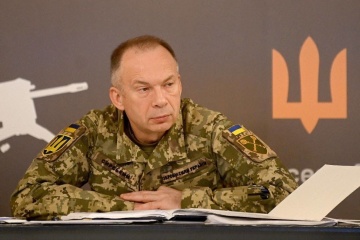
Ukraine will carry out offensive operations to maintain operational initiative.
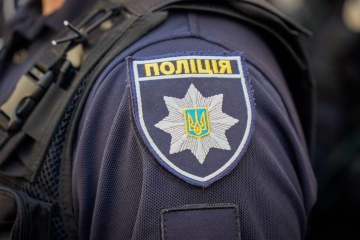
Amid an emergency situation in the energy sector, police are increasing the number of patrols.

Commander-in-Chief of the Armed Forces of Ukraine Oleksandr Syrskyi took part in a regular meeting of the commanders-in-chief of the armed forces of the member states of the “Coalition of the Willing,” which was held in the format of a video conference.
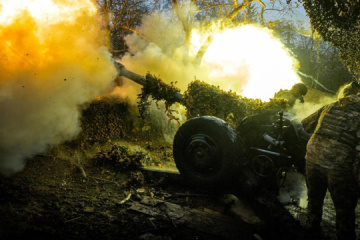
Soldiers of the 132nd Separate Reconnaissance Battalion of the 7th Rapid Response Corps of the Air Assault Forces conducted a clearance operation, removing Russian invaders from a section approximately 900 meters long on the Pokrovsk front as part of improving their tactical position.
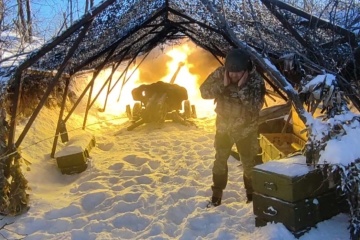
On January 17, 133 clashes were recorded between Ukrainian and Russian forces, as the enemy concentrated their main efforts on the Pokrovsk sector and stepped up attacks in the Huliaipole and Kostiantynivka sectors.
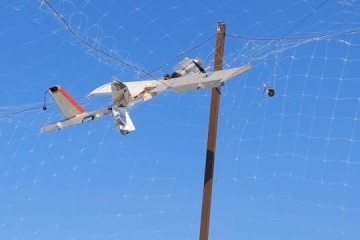
More than a hundred anti-drone tunnels have already been built on major roads in frontline communities in the Zaporizhzhia region. Enemy drones, including attack drones, fall into these traps without reaching their targets.

A woman was killed and another person was injured as a result of a Russian drone strike in Kharkiv.
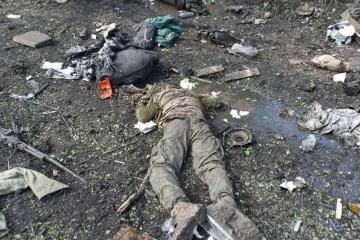
Operators of the Furia strike drone unit of the Hart border brigade demonstrated how drones are used to destroy small Russian assault groups attempting to breach the state border in the Kharkiv region.
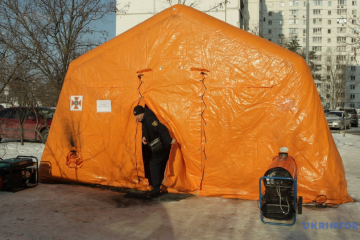
Updated curfew rules have been introduced in Kyiv.

In 2025, Russia exported more than 2 million tonnes of grain from temporarily occupied territories of Ukraine and, concealing its true origin, shipped it mainly to Egypt and Bangladesh.
17 January 2026
Strikes by Russian Molniya-type unmanned aerial vehicles have been recorded in Kharkiv’s Slobidskyi district.

The town of Pryvillia is under the control of the Ukrainian Armed Forces, and reports of its alleged capture by Russian troops are untrue.
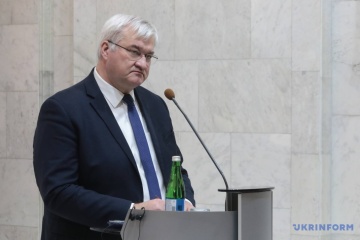
Moscow knows no bounds in its genocidal goal of depriving Ukrainians of electricity during the cold winter.
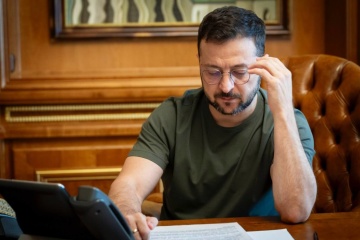
President Volodymyr Zelensky signed a decree enacting the decision of the National Security and Defense Council of Ukraine to impose sanctions on three individuals and two legal entities that use sports platforms to spread anti-Ukrainian narratives and Russian propaganda.
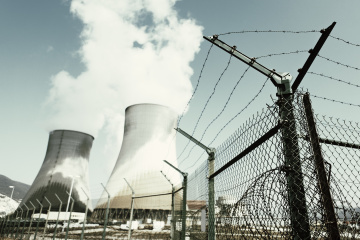
Russia is considering options to strike substations that ensure the operation of Ukrainian nuclear power plants.

The number of people injured in Kharkiv as a result of the Russian strike on the city's Industrialnyi district has increased to three.
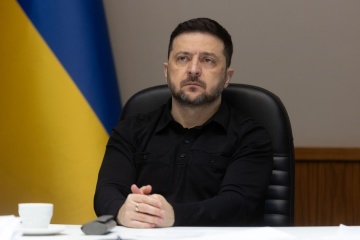
President Volodymyr Zelensky discussed the work of air defense with newly appointed Defense Minister Mykhailo Fedorov.
The consequences of Russian terror include, in particular, the discrediting of the diplomatic process and the deterioration of opportunities for dialogue.
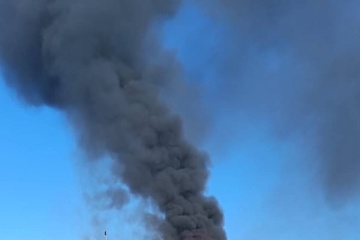
On January 17 in the daytime, Russian forces launched a strike on the Industrialnyi district of Kharkiv, injuring civilians.
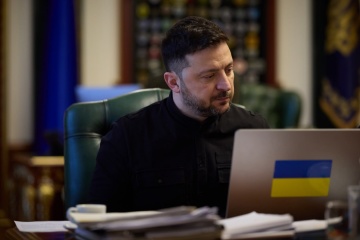
President Volodymyr Zelensky held an energy coordination call, during which he discussed the elimination of the consequences of Russian strikes and ways to strengthen the resilience of cities. The most difficult situation is in Kyiv, Kharkiv, Zaporizhzhia, and their surrounding regions.
Russian propagandists have fabricated the audio track of a video from a local Danish television channel.

In Kyiv, about 50 out of 6,000 buildings remain without heating after the Russian attack on January 9.
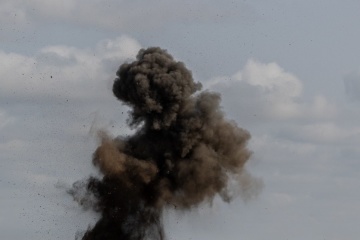
As a result of the explosion in a multi-storey residential building in Kharkiv, fatalities and casualties were reported.
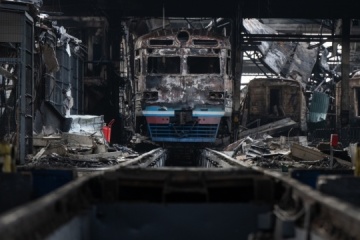
Since the beginning of Russia’s full-scale invasion of Ukraine, approximately 130,000 railway infrastructure facilities, including tracks, stations, and depots, have been damaged or destroyed.