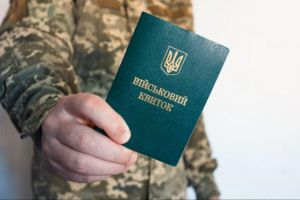
Russian propaganda spreading anti-migrant sentiment in Ukraine: How topic is manipulated online
A wave of manipulation surrounding the issue of labor migrants is growing on social media in Ukraine. Propagandists are exploiting topics such as mobilization, economic vulnerability of the population, and questions of national identity. As a result, a distorted perception is being formed in society that the authorities are allegedly massively importing foreign labor to “replace” the population amid the war.
How the disinformation campaign began
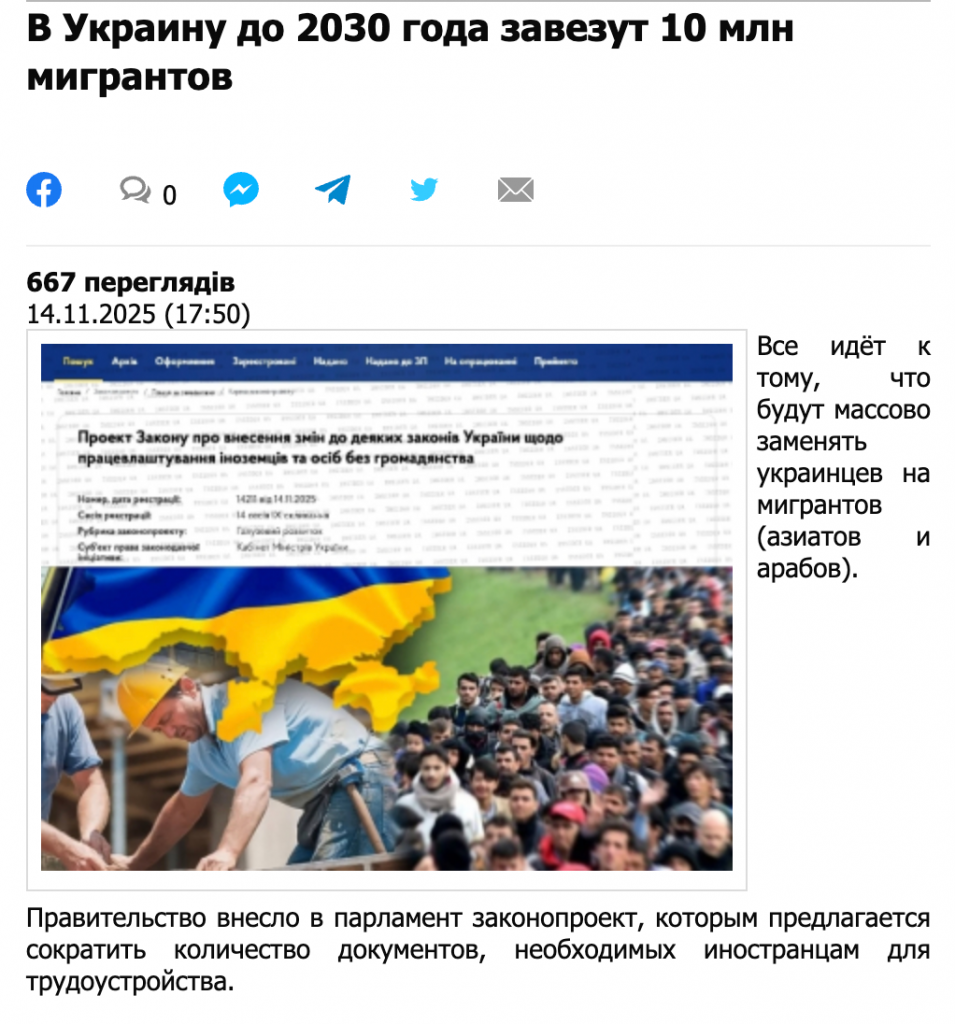
Isolated fakes about the “import of migrants” began appearing online in autumn 2025. Fact-checkers at StopFake documented manipulations claiming that the Ukrainian government planned to bring in 10 million migrants. In reality, Russian propagandists distorted the essence of draft law No. 14211, which is intended to simplify employment and temporary residence procedures for foreigners who already wish to work in Ukraine – aligned with EU standards. The figure of 10 million was only a hypothetical expert estimate of labor shortages, not an official “population replacement” strategy.
A new wave of the disinformation campaign began this spring amid discussions about labor shortages and workforce deficits. Roundtables and statements by business representatives and local and central authorities created an information background that was then exploited by manipulators, hype bloggers, and Russian propaganda.
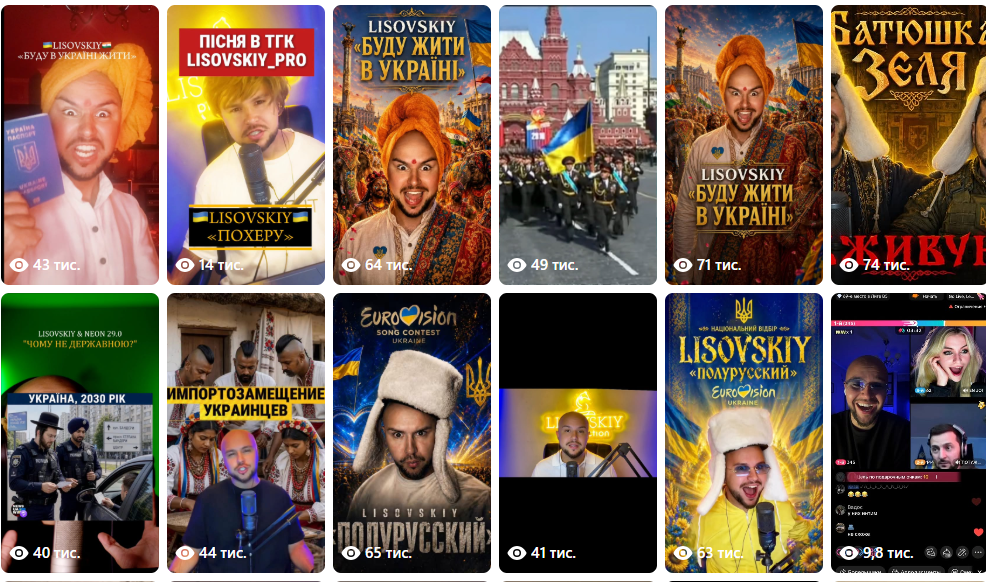
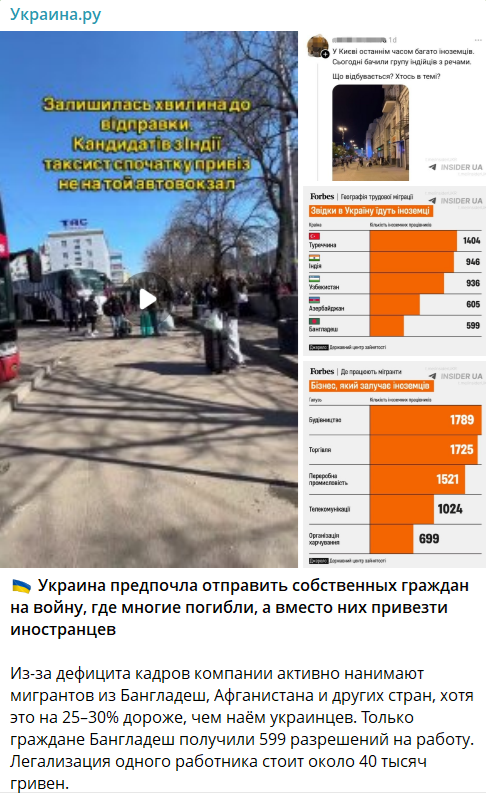
Although official data shows limited scale of labor migration in Ukraine, social media creates a distorted impression that Ukrainian cities are already being flooded with foreign workers. It is on this contrast that the manipulative campaign is built: isolated local cases, out-of-context reports, or fake videos are presented as “evidence” of mass migrant inflows.
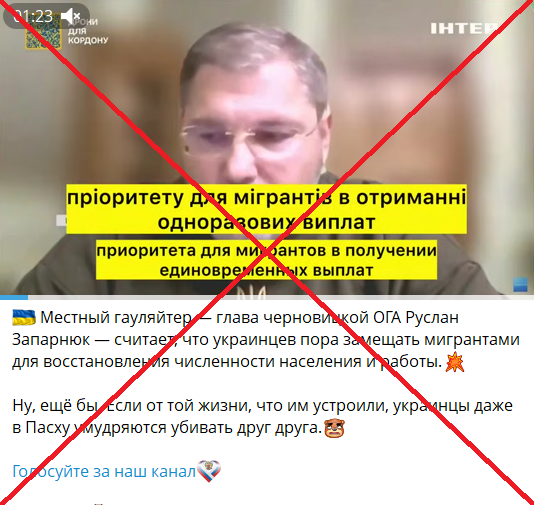
One notable example is a fake previously debunked by Ukrinform fact-checkers. Propagandists manipulated a video of the former head of the Chernivtsi Regional State Administration in which he allegedly promised foreigners benefits, government positions, marriage bonuses, and even the right to elect local authorities. The video was based on an archival 2023 interview in which the official actually spoke about assistance to internally displaced persons forced to leave their homes due to Russian aggression. Propagandists replaced the original audio track with AI-generated speech.
Such informational injections are adapted to the current agenda. Local reports about the arrival of foreign workers in individual cities are quickly amplified into nationwide narratives about a supposed “hidden number” of migrants, “excessive salaries,” and Ukrainians being pushed out of the labor market.

Key narratives and trigger points of the anti-migrant campaign
Monitoring by the Center for Strategic Communications identified a number of dominant narratives and conflict triggers aimed at fostering negative attitudes toward labor migrants and provoking public panic. The foundation of these information attacks is fear of the “disappearance of the nation” and emphasis on threats to the social order. Key claims include:
- “Erosion of national identity” – Ukrainian language and traditions are allegedly disappearing due to an influx of people from other cultures (India, Pakistan, Bangladesh, and other countries in Asia and Africa);
- “Deliberate replacement policy” – claims that the government is intentionally replacing Ukrainians with foreigners, giving migrants better working conditions, salaries, and benefits than Ukrainian citizens and soldiers;
- “Ukrainian men are mobilized while their jobs are taken by foreigners” – a combination of anti-migrant and anti-mobilization narratives.
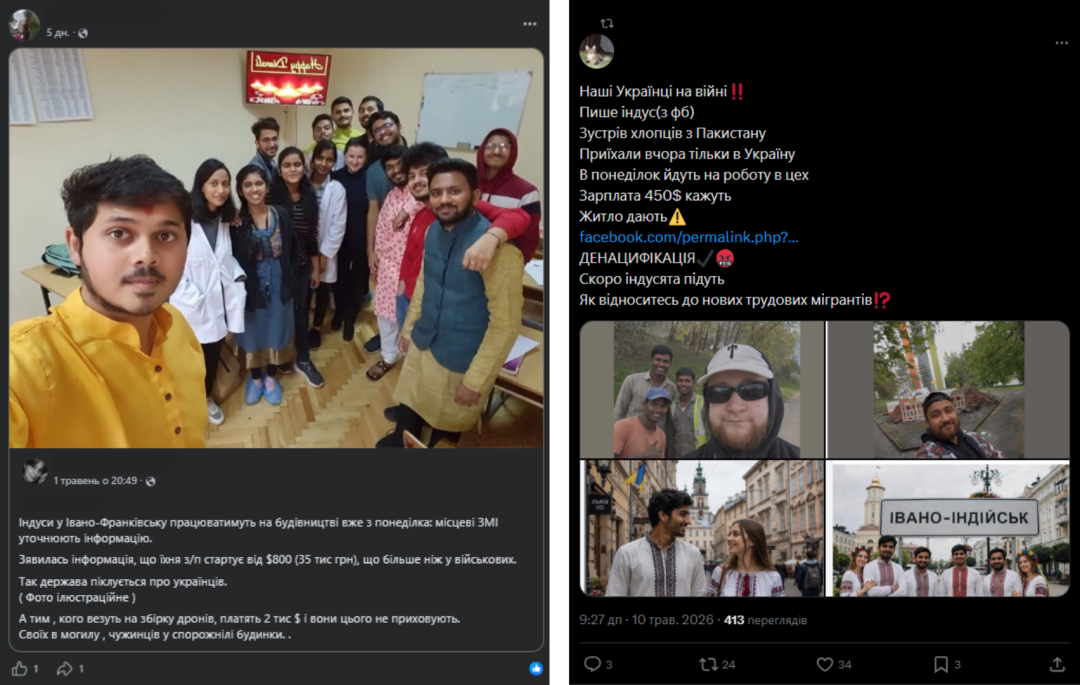
These messages appeal to emotions rather than facts. They rely on out-of-context numbers, salary comparisons, fake claims about privileges for foreigners, and visual content designed to provoke anxiety or anger. Any presence of foreigners in cities is presented as “proof” of mass importation. Additional narratives include predictions of rising crime, collapse of public order, and loss of national identity.
Platforms and sources of dissemination
According to monitoring by the Center for Strategic Communications, between May 1–10, 2026, more than 21,600 posts with anti-migrant rhetoric were recorded across nearly 14,000 resources. Analysis of 13,800 unique sources showed that the main platforms for spreading this content were social networks and messaging apps, primarily Facebook and Telegram.
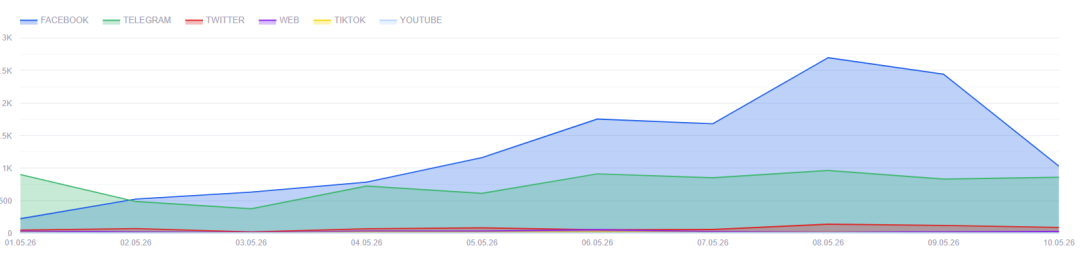
On Facebook, more than 8,000 posts were recorded, and on Telegram nearly 5,000. The highest activity was observed in large groups focused on domestic political discussions, where manipulative posts were amplified through images, videos, collages, and caricatures designed to provoke anxiety or aggression. Coordinated networks of influence were also detected through repeated similar comments under unrelated posts.
Reality
However, real data does not confirm the narrative of “mass importation of migrants” circulating in social media and media outlets. According to data cited by the publication Texty, in the first quarter of 2026 the State Migration Service issued only 675 migration permits and canceled 445. This indicates not a surge in labor migration, but rather its very limited scale.
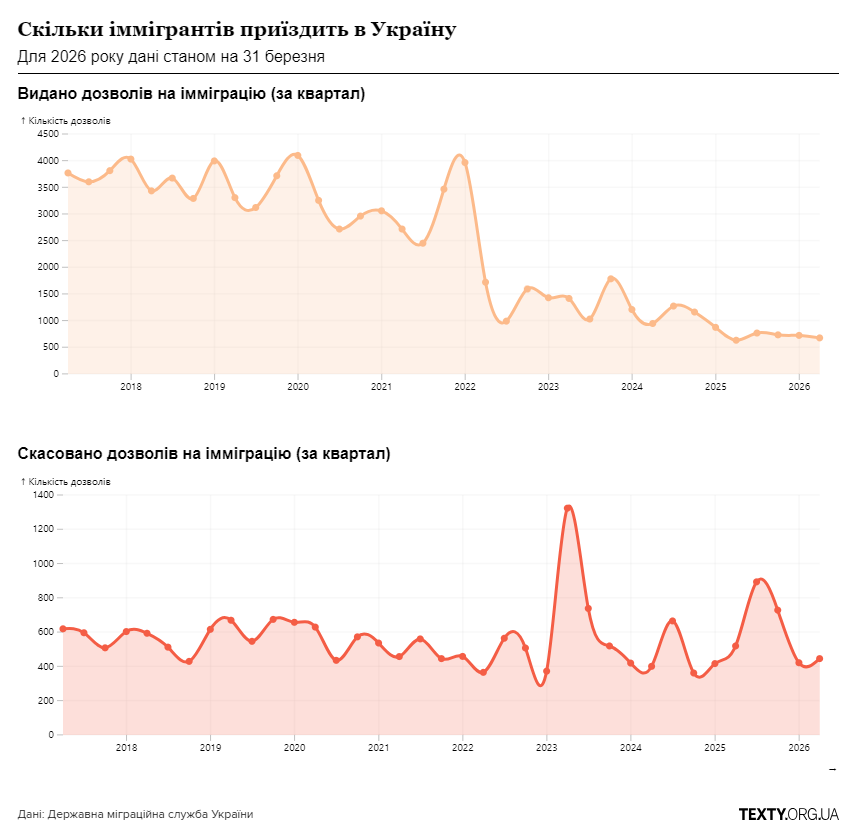
This discrepancy between statistics and the media narrative is a key argument for the artificial nature of the information wave. Based on social media alone, one might think that Ukrainian cities are already filled with hundreds of thousands of foreign workers. However, official data does not support this. Thus, the issue is not a reflection of reality but an information distortion used to fuel fear, anti-migrant sentiment, and social tension.
Purpose of the anti-migrant campaign
Russian interference in Ukraine’s information space is aimed at demoralizing society, destabilizing the socio-political situation, and reducing the country’s ability to resist external aggression.
Russia seeks to exploit sensitive wartime topics to undermine trust in the government, promote narratives of alleged “genocide” of Ukrainians by their own authorities, create additional social divisions, demoralize the population, and discredit mobilization.
Additionally, Russian propaganda aims to produce “evidence” for foreign audiences of alleged racism and xenophobia in Ukraine, reinforce the false narrative of “Ukrainian Nazism,” and damage Ukraine’s international reputation, particularly in Asia and Africa.
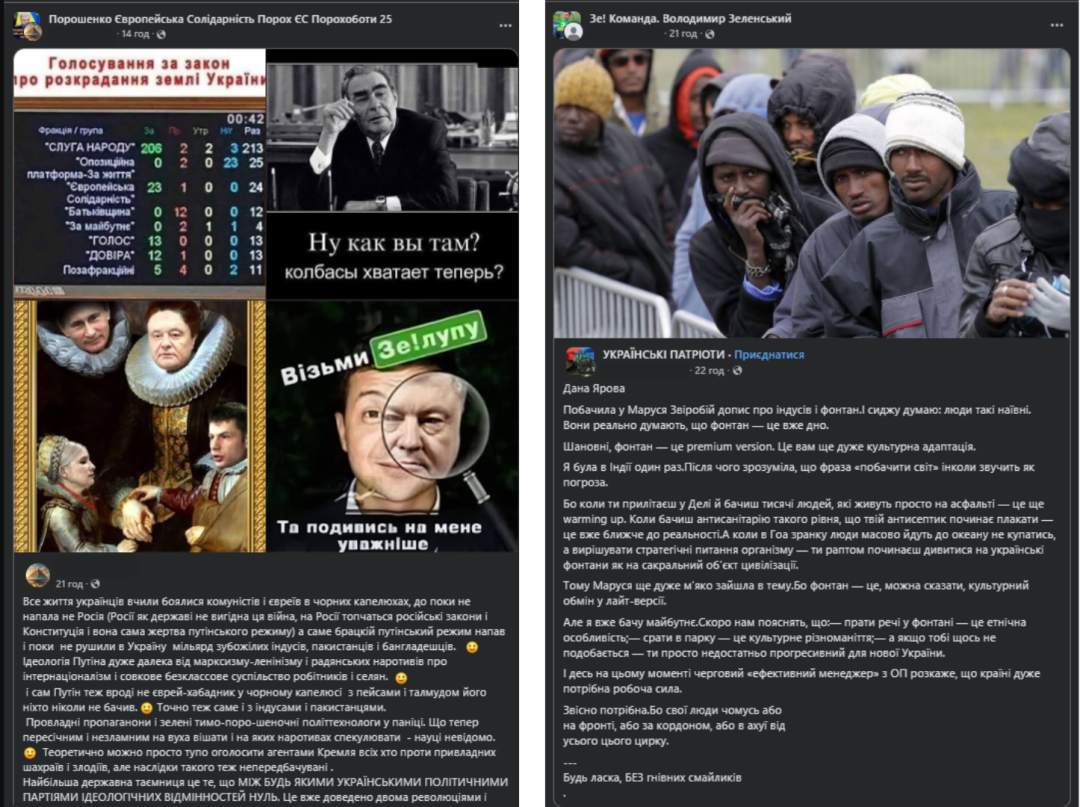
This wave of anti-migrant sentiment has become part of a coordinated strategy to divide society. The use of deepfakes, manipulation of numbers, emotional messaging, anonymous propaganda sources, and bot networks all serve to destabilize Ukraine’s home front, discredit mobilization, and undermine trust in the state.
As previously reported by Ukrinform, Russian propaganda earlier spread a fake claim about the “ineffectiveness” of Ukrainian drone specialists in the Middle East.
By Andrii Olenin and Center for Strategic Communications