Matthias Schmale: We must not forget to support humanitarian action and recovery in Ukraine
The security situation in Kherson has significantly worsened in the past year, with drone and missile attacks getting more frequent and more deadly. For me, Kherson stands out as both a symbol of resilience and of ongoing devastation. Standing in front of the destroyed regional administration building during my most recent visit last week, I could not but feel the weight of this war mindlessly destroying lives and communities.
Last week, I accompanied a humanitarian convoy bringing essential medicine, hygiene kits and water into Kherson city. We then visited a transit centre where NGOs and local authorities have been supporting with extraordinary dedication 2,140 evacuees evacuees who have been passing through there from Korabel District over the previous 2 weeks or so. I saw a hospital caring for pregnant mothers, using modern, advanced equipment to provide the best services possible, even though located underground to protect against continued attacks.
Sadly, Kherson is not an exception, and need for humanitarian action remains as urgent as ever. Across Ukraine, relentless strikes by the Armed Forces of the Russian Federation continue to damage homes, schools and hospitals. Persistent attacks on energy infrastructure put millions at risk. At least 13,000 civilians have been killed, nearly 32,000 injured since 24 February 2022. Our UN Human Rights colleagues have documented that this July was the deadliest month since May 2022. The WHO verified 49 attacks on health care in Ukraine out of 115 globally in July alone. They resulted in three deaths and 56 injuries.
We must not forget about the psychological and mental impact the war on Ukraine has on its citizens. I remember vividly talking last week with an older man in rural Mykolaiv Region who has stayed since February 2022 and who broke down in tears recalling his brother being killed. And it is not normal for children to be regularly pulled out of sleep by sirens and missile and drone strikes.
Over the past year, national and international humanitarians have worked tirelessly to evacuate people from dangerous areas near the front line, to deliver emergency aid after strikes across the country, and to support the most vulnerable displaced families. Everywhere I go—from Sumy to Kharkiv to Dnipro, to Zaporizhzhia, to Mykolaiv, to Kherson and Odesa—I meet people whose courage humbles me. Farmers are determined to demine and restart the cultivation of their land. Teachers are running classes underground so children can continue to learn. Health workers are providing primary health care, including mental support, despite continued attacks and severely constrained budgets. Survivors of sexual violence receiving care in specialised centres. And families, like those I have met repeatedly for instance in Kharkiv and Zaporizhzhia, refuse to give up on their homes and their future and stay home despite constant shelling. A teacher in Sumy told me recently that she desires nothing more than seeing the children from her community learning and playing in a normal school above ground. This determination to build a more dignified tomorrow—should inspire us all.
Alongside humanitarian assistance, the UN is also scaling up recovery support. Together with national, regional and local authorities, and in close partnership with local organizations, we are working to restore war-damaged homes and critical infrastructure. We are investing in livelihoods and supporting the most vulnerable, including among veterans and their families, women, children, people with disabilities and minorities. These efforts not only repair what was destroyed, but also help cope with the psychological terror, transform lives and lay the groundwork for a more resilient Ukraine. Last week in Odesa, for example, I was privileged to meet extraordinary businesswomen, who with UN support have established innovative businesses that provide jobs and sustain livelihoods.
As we mark World Humanitarian Day on 19 August, we honour aid workers in Ukraine and around the world who risk their lives to help others. Here in Ukraine, humanitarians operate under constant threat, often delivering assistance in areas hit by strikes only hours earlier. As the global campaign this year focuses on the respect for international humanitarian law, I join the call to protect aid workers and protect civilians—here in Ukraine and across the world. No community should have to treat missile strikes and drone attacks, and human life loss as routine.
On this day, I pay tribute to the courage of Ukrainian responders and international colleagues alike, whose work ensures that millions of people in desperate need are not left behind.
From our side, we remain determined to continue our humanitarian response, which is a lifeline for many. Our ability to do so depends on continued international support. Humanitarian aid has been on the decline - not just from the United States - and we have had to undertake some painful reprioritization earlier this year. Without a steady flow of resources, evacuation teams will have to stop, hospitals will struggle to function, and families will face the cold without heat or water. As winter approaches, the humanitarian needs will grow even more, and timely support will be vital, especially in front-line areas.
When I arrived in Ukraine in August 2024, I did not imagine that the war would still be raging, a year later with no end in sight. Yet even now, amid destruction and trauma, the people of Ukraine continue to rebuild and to hope. That hope and their strength deserve our solidarity. As my predecessor Denise Brown said when she handed over a year ago, “We must not normalize the war against Ukraine”. We must keep life-saving work going today and continue to invest in the foundations of recovery for a different and better tomorrow.
Until the sirens fall silent, we must stand with and support the people of this country, in Kherson, in Sumy and across the country.
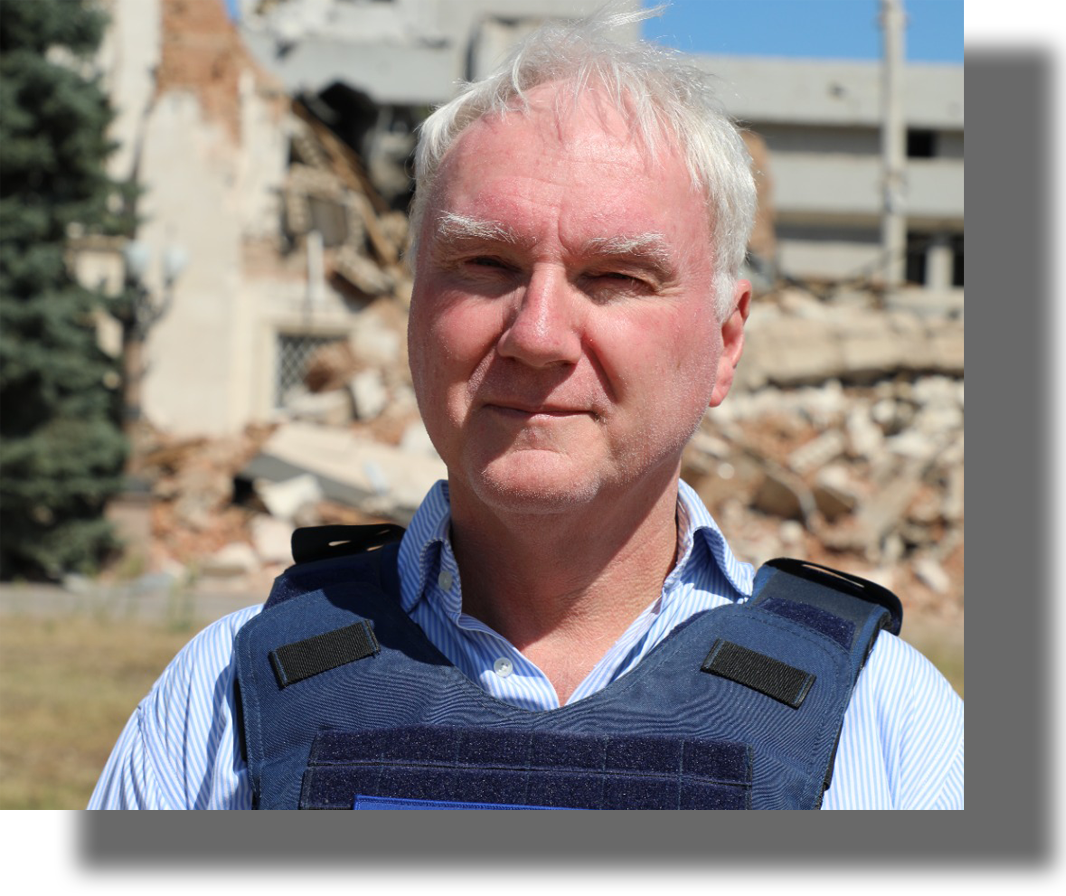
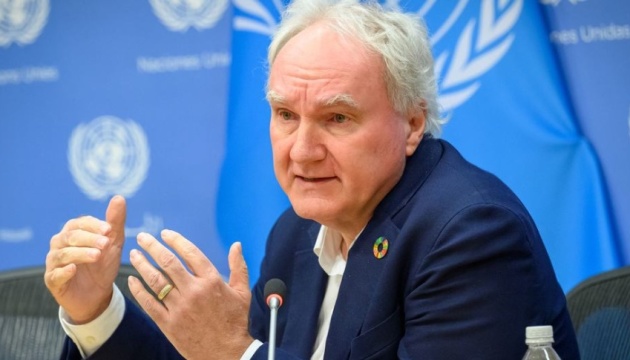
By Matthias Schmale, United Nations Resident and Humanitarian Coordinator in Ukraine
Photo: UN
*Author's opinions do not necessarily reflect those of Ukrinform's editorial board