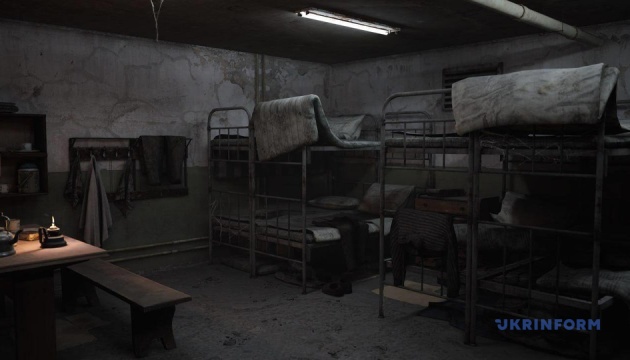
VR headset in Hague shows cells where Russians illegally hold Ukrainians
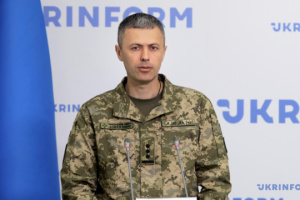
Anastasiia Loza, communications and media relations manager of the Ukrainian human rights NGO Media Initiative for Human Rights, stated this in a comment to Ukrinform.
"At some point, we realized that very few people are capable of a level of empathy high enough to fully understand, just from a story, what illegal detention in Russia is like and what torture innocent people endure. To understand that torture is not only physical beatings. Although that is the most widespread practice: 88% of the civilians from the latest official exchange, with whom we managed to speak, said that they were beaten. So we wanted to convey this to people. And the cell that can be viewed virtually is not even the worst room," she noted.
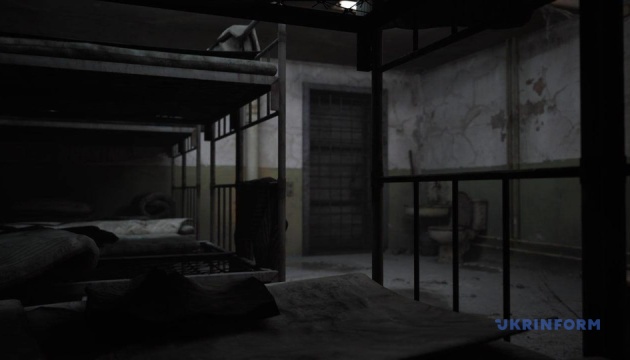
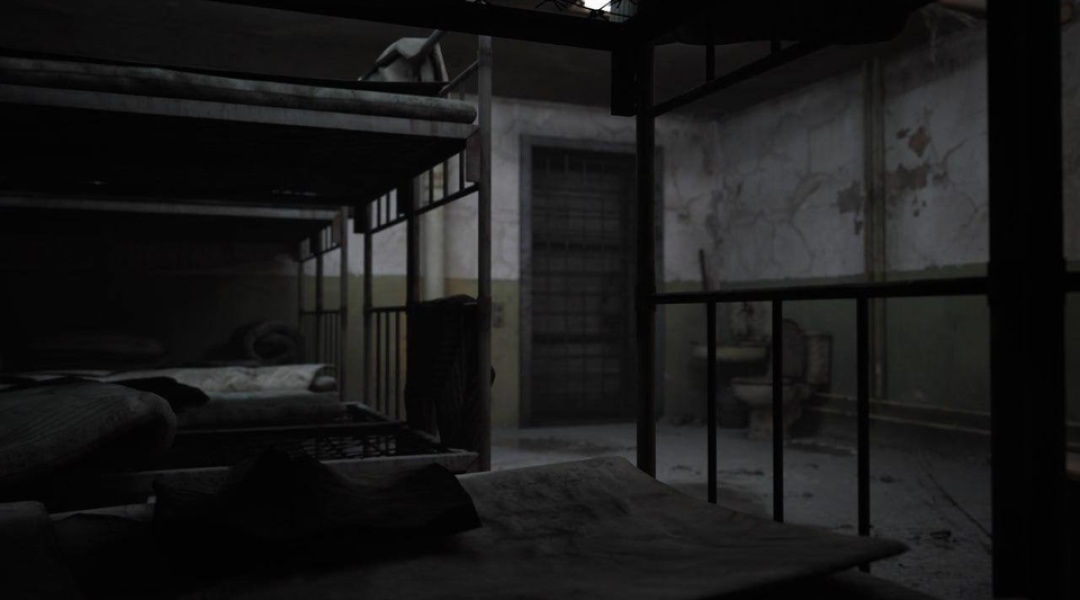


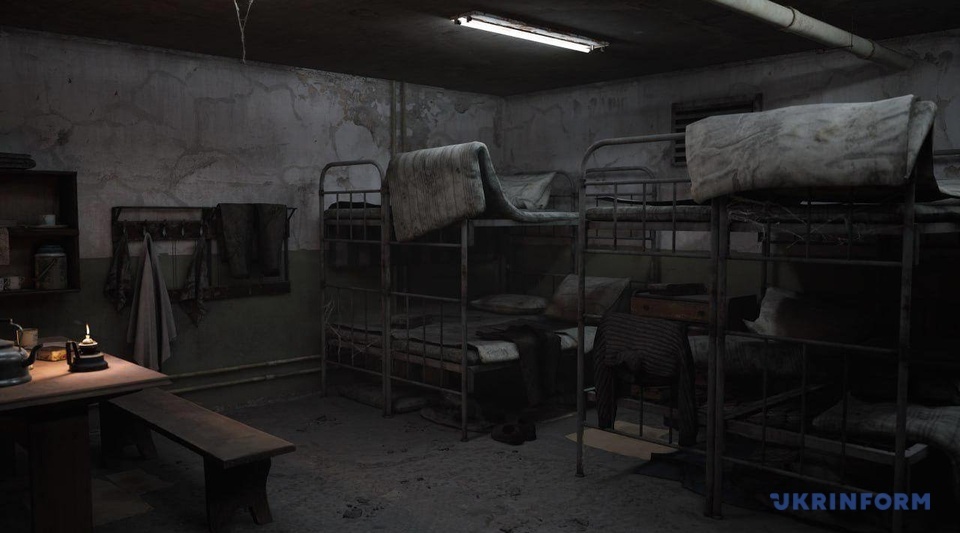


According to her, Ukrainian civilian Serhii Ofitserov, kidnapped in Kherson and now held in inhumane conditions on the territory of the Russian Federation, managed to send his drawings depicting the horrific conditions of captivity.
"Serhii has been held for more than three and a half years. At first, the Russian side did not even acknowledge the fact of his abduction. For two months his family did not know what had happened to him or where he was. Now he is being tried on charges of supposedly 'international terrorism.' Despite this, Serhii managed to send several of his drawings to his father in Ukrainian-controlled territory. We used these sketches as the basis for creating the virtual cell. They are also integrated into the VR environment. The video tour also shows the most common torture methods used against civilians: from forcing them to cut off their tattoos to making them listen to the Russian anthem every day. We understand very well what happens to people in these places of captivity: since the beginning of the full-scale invasion, we have spoken with more than 700 released civilians and prisoners of war,” Loza said.
At the same time, she noted that in The Hague people react to such a virtual experience differently.
"Reactions vary. There was a woman who burst into tears. Of course, we warn that this experience can be traumatic and that people with fragile mental health or who are overly sensitive should avoid it," she said.
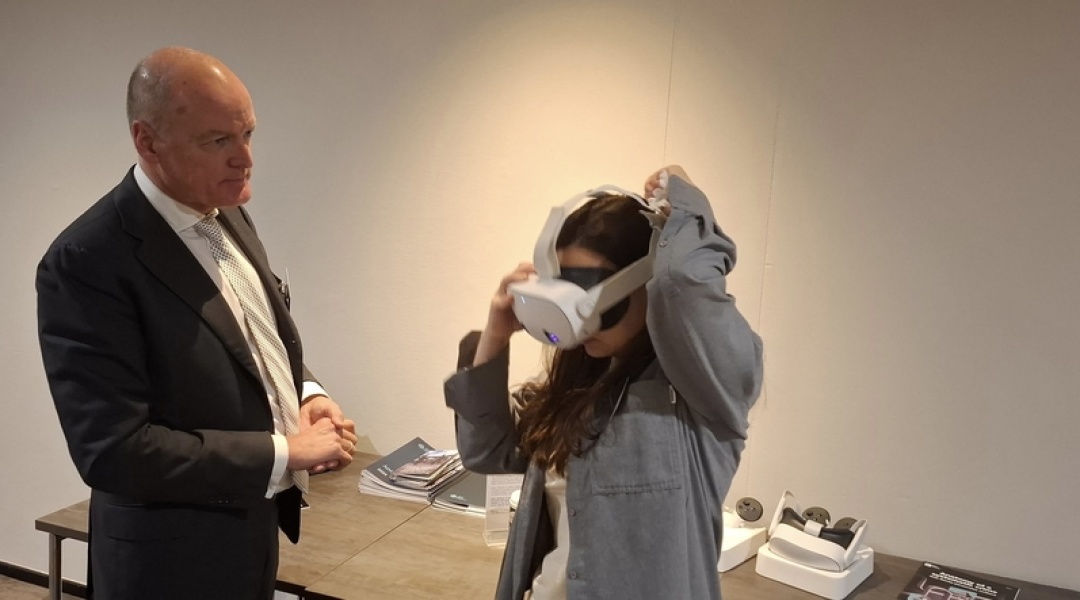
The Netherlands' Human Rights Ambassador Wim Geerts also used VR goggles to see the conditions in which Ukrainian civilians and prisoners of war are being held.
He told Ukrinform that what is happening in Ukraine is absolutely horrific and contradicts everything related to human dignity, and that it has gone on for far too long. He said that the Netherlands, together with many other partners, is very determined to do everything possible to end this and to ensure that those responsible for these horrific war crimes are held accountable. He emphasized that they will not give up and continue to stand by Ukraine for as long as needed and do whatever is necessary. So many innocent lives have been lost and so many crimes have been committed and are still being committed daily, and therefore they are highly motivated and deeply committed to seeing this through despite everything.
According to him, what he saw inside the cells where people had been held was extremely humiliating.
He emphasized that he had learned things he had not known before — for example, that Ukrainians in detention are forced to remove their own tattoos, which he described as a horrifying order.
He added that he had also previously heard that detainees are forced to sing the Russian anthem, calling this deeply humiliating and noting that it is a tactic used there every day. He said that this is unacceptable, and that this is why they will stand by Ukraine for as long as needed to ensure justice and to support the healing process that will be necessary, as so many people have been traumatized.
As Ukrinform reported, at the session of the Assembly of the Rome Statute, Ukraine called for strengthening international efforts to hold Russia accountable.