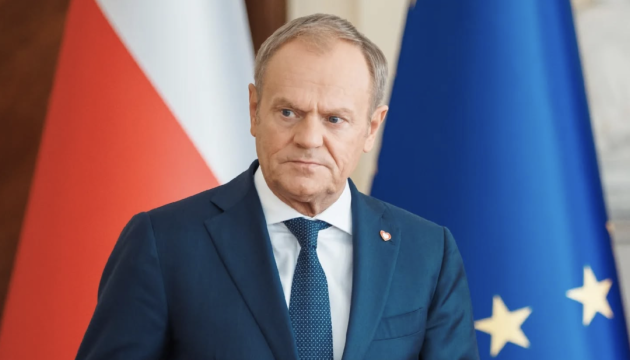
SAFE Program in Poland: Nawrocki and the Right-Wing Conservatives vs. the Government
The controversy surrounding the EU’s SAFE (Security Action for Europe) initiative in Poland has raised eyebrows across the bloc. The paradox is striking: a country that helped design and champion a major European defense financing mechanism has found itself on the verge of obstructing access to its own share of the funds.
While this may appear contradictory, the dispute is in fact a reflection of Poland’s deepening political polarization ahead of the 2027 parliamentary elections. At stake is not only control of government, but also the country’s strategic orientation—between deeper integration within the European Union and a more sovereigntist, Eurosceptic trajectory.
The SAFE debate has thus become a proxy battleground in a broader ideological contest between liberal and conservative forces, and a barometer of shifting public sentiment toward the EU.
TUSK’S FLAGSHIP INITIATIVE
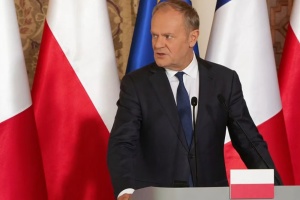
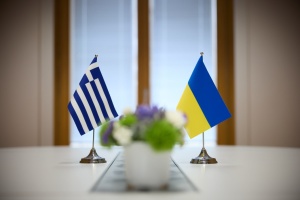
The SAFE mechanism was first advanced by Prime Minister Donald Tusk in 2024, in coordination with Greek Prime Minister Kyriakos Mitsotakis. It was formalized during Poland’s presidency of the Council of the European Union in the first half of 2025, as part of a broader European response to Russia’s ongoing war against Ukraine and growing uncertainty over the long-term U.S. security commitment to Europe.
Tusk invested significant political capital in securing support for the initiative, presenting it as a tool for rapidly scaling up Europe’s defense capabilities. The European Commission ultimately approved a €150 billion facility of long-term, low-interest loans designed to finance joint procurement and domestic production of military equipment across EU member states.
The loans—offered at approximately 3% interest with repayment periods extending up to 45 years—were taken up by 19 member states in the initial phase, including Poland, Italy, Greece, Finland, Hungary, Slovakia, and the Baltic countries.
Poland emerged as the largest prospective beneficiary, eligible for nearly one-third of the total envelope—around €43.7 billion. This is broadly comparable to the country’s annual defense spending, projected at €46.8 billion this year, or 4.8% of GDP.
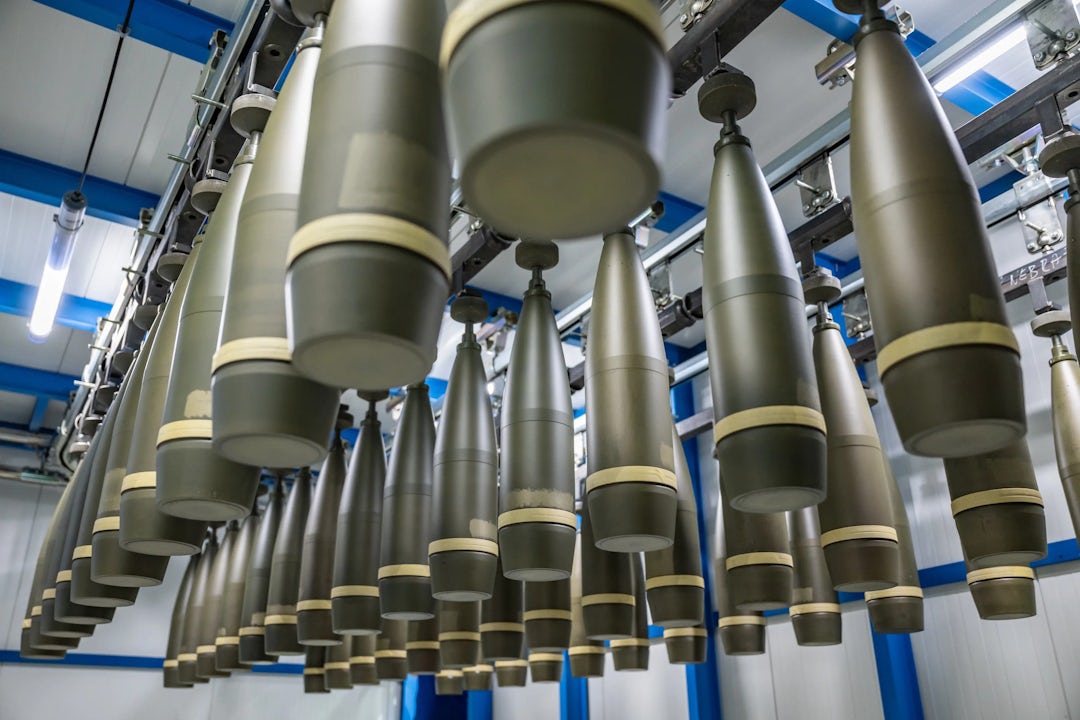
Warsaw’s implementation plan, already approved by the European Commission, includes 139 projects spanning the military and internal security sectors. These range from strengthening air and missile defense systems to scaling up production of drones, artillery ammunition, and armored vehicles, as well as integrating artificial intelligence into defense applications. Notably, nearly 90% of contracts under SAFE were expected to be awarded to Poland’s domestic defense industry. Some components of the program were also envisaged as joint initiatives with Ukraine.
The government signaled readiness to move forward rapidly. However, the process has been complicated by resistance from President Karol Nawrocki.
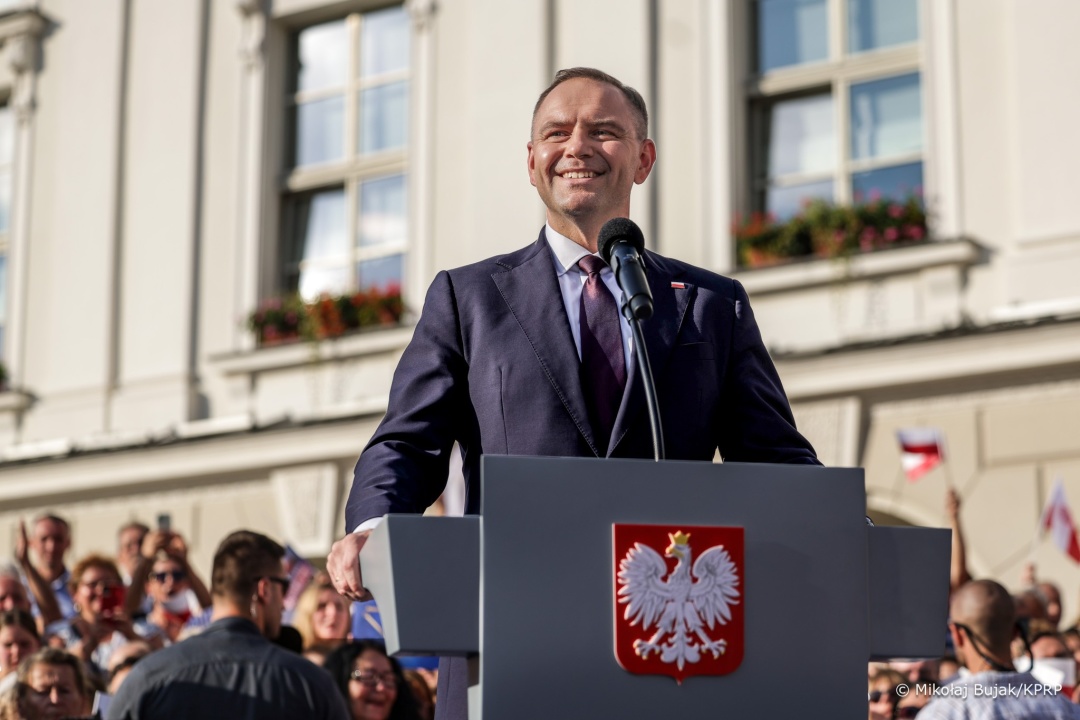
Karol Nawrocki
PRESIDENTIAL PUSHBACK
President Karol Nawrocki, who took office with the backing of the now-opposition right-wing Law and Justice (PiS), has taken a markedly skeptical stance toward Poland’s participation in SAFE. Despite the initiative enjoying broad support within military and defense-industrial circles, Nawrocki advanced an alternative concept—branded “Polish SAFE 0%”—that reflects a fundamentally different approach to financing defense expansion.
Appearing alongside National Bank of Poland Governor Adam Glapiński, Nawrocki proposed funding defense modernization through the partial liquidation of Poland’s foreign exchange reserves, particularly gold. With gold prices having risen significantly in recent years, the president argued that such a move could yield more than €40 billion—comparable to Poland’s expected SAFE allocation—without creating liabilities toward European financial institutions.
He subsequently pledged to veto the domestic legislation required to implement SAFE. His objections centered on the long-term fiscal burden, with Nawrocki arguing that interest payments over decades could effectively double the cost of the loans. He also raised concerns about strategic dependencies—both on EU institutions and on external partners involved in joint procurement frameworks, including Ukraine.
At the core of Nawrocki’s position is a broader Eurosceptic critique: that participation in SAFE would deepen Poland’s structural reliance on the European Commission. As part of his counterproposal, he submitted draft legislation to establish a Polish Defense Investment Fund, which would channel proceeds from reserve asset sales into domestic defense projects.
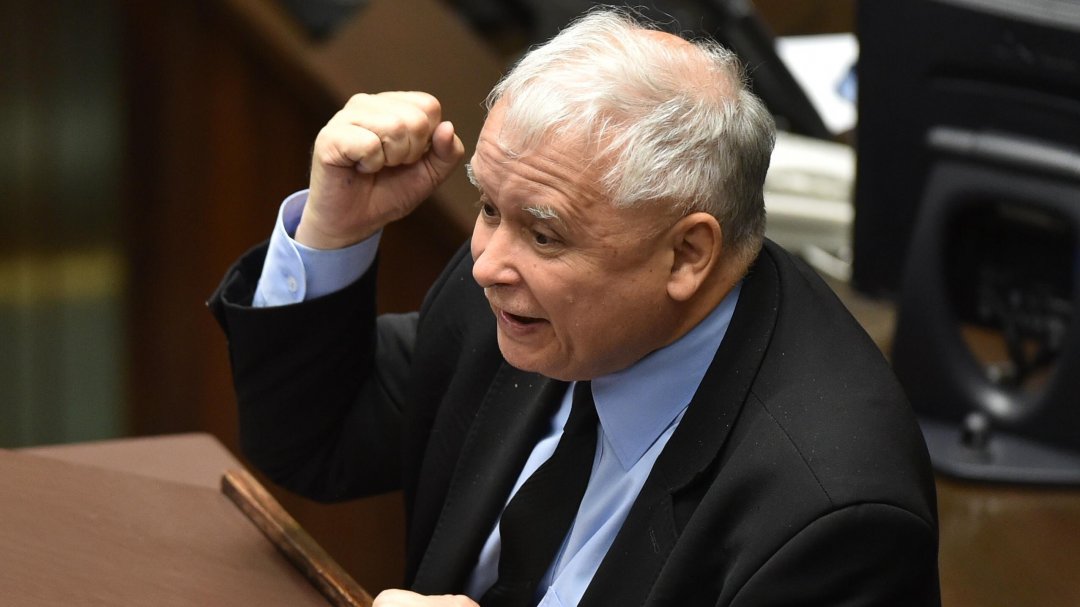
Jarosław Kaczyński
Opposition to SAFE has been echoed by PiS figures, including party leader Jarosław Kaczyński, who has framed the initiative as a potential constraint on Poland’s sovereign defense policy and a vehicle for increased EU leverage over national decision-making.
Tusk, however, has dismissed these arguments in unequivocal terms. He characterized the president’s proposal as fiscally ungrounded, noting that the National Bank of Poland ended the previous fiscal year in deficit and is unlikely to generate significant profits in the near term. Moreover, he underscored that any central bank profits are, by law, overwhelmingly transferred to the state budget—undermining the premise of an autonomous funding stream for defense. In Tusk’s view, Nawrocki’s proposal could, at best, serve as a supplementary mechanism rather than a substitute for SAFE.
Faced with the prospect of a presidential veto, the government has moved to operationalize a workaround. Under a “Plan B” adopted at an extraordinary cabinet meeting, SAFE-related projects are being advanced through executive instruments under the authority of the finance and defense ministries. While this approach allows Warsaw to proceed with the bulk of the program, it is administratively more complex and may delay implementation.
At the same time, the government is developing a parallel framework—referred to as the “Armed Poland” program—and expects initial SAFE disbursements to begin within weeks. Nonetheless, certain components of the funding package—particularly those allocated to internal security services such as the police and border guards—remain at risk due to the institutional constraints imposed by a potential veto.
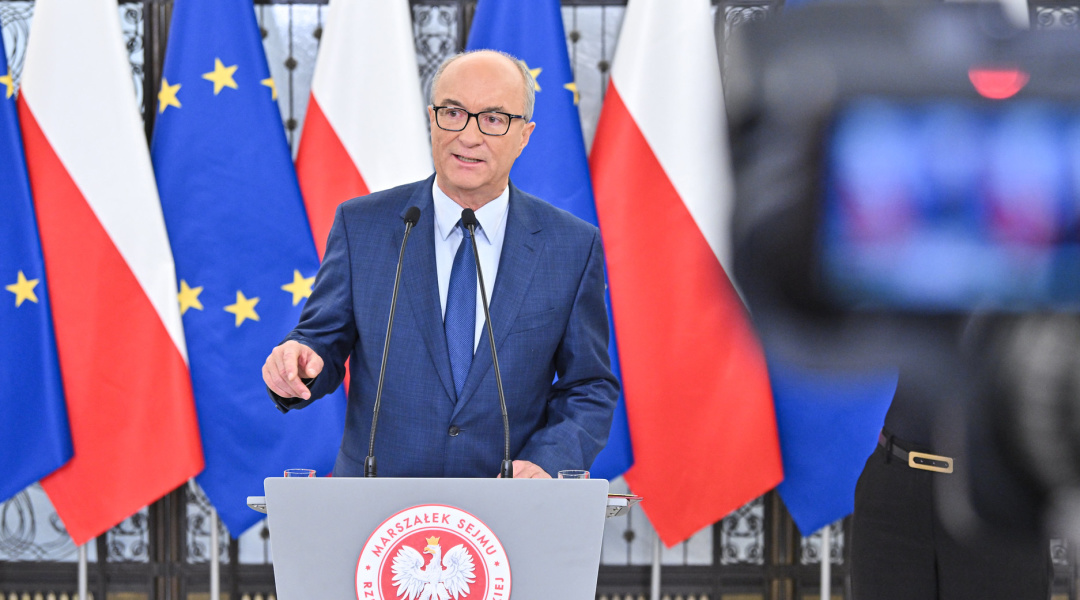
Włodzimierz Czarzasty
Institutional friction has extended to parliament. Speaker of the Sejm Włodzimierz Czarzasty has indicated that he sees no justification for putting Nawrocki’s draft legislation to a vote, effectively sidelining the proposal at the legislative level.
Public opinion, for now, appears to favor the government’s position. According to a February CBOS poll, 52% of Poles support participation in SAFE. Moreover, 57% disapprove of Nawrocki’s intention to veto the enabling legislation—suggesting limited public appetite for blocking access to European defense funding.
A POLITICAL GAME WITH ELECTIONS IN MIND
The dispute over SAFE is not merely a policy disagreement—it is a window into Poland’s evolving political trajectory. At its core are questions about President Karol Nawrocki’s strategic intent, the balance of power in domestic politics, and the country’s longer-term foreign policy alignment.
Nawrocki’s veto is best understood through both domestic and external lenses. Internally, it reflects the deepening rivalry between Prime Minister Donald Tusk and his Civic Coalition, and Nawrocki, whose presidency is closely aligned with Jarosław Kaczyński’s Law and Justice (PiS). For Tusk, SAFE was designed to function not only as a security instrument but also as a political asset ahead of the 2027 elections—demonstrating tangible gains in military capability, economic stimulus, and job creation through large-scale investment in Poland’s defense sector.
For Nawrocki and PiS, allowing Tusk to claim ownership of such a high-impact initiative carried clear political risks. Their counterstrategy has been to reframe SAFE as a long-term fiscal liability—casting it as a debt-driven mechanism that could constrain Poland’s sovereignty and expose it to undue pressure from EU institutions.
This argument resonates with a broader trend within Poland’s right-wing political ecosystem, where skepticism toward the European Union has been steadily intensifying. Calls to reduce dependence on Brussels—and, by extension, on what is often portrayed as German-dominated EU decision-making—have become more prominent. Nawrocki himself has articulated a consistently critical view of deeper European integration, presenting long-term financial commitments to EU-backed instruments as strategically restrictive.
External factors also play a role. SAFE’s emphasis on European defense industrial production potentially challenges U.S. defense exporters, for whom Poland has been a key market. Against this backdrop, Polish media have speculated about U.S. diplomatic engagement prior to Nawrocki’s veto, including reported contacts with Ambassador Tom Rose. While such claims remain unverified, they align with Nawrocki’s broader strategic orientation: a strong preference for close ties with Washington. His political affinity with Donald Trump and alignment with transatlantic conservative networks further reinforce this dimension.
The political ramifications have been immediate. Nawrocki’s veto—supported by PiS and other right-wing groupings, including Confederation—prompted Tusk and Foreign Minister Radosław Sikorski to escalate their rhetoric, warning of a potential “Polexit.” Tusk framed the dispute in existential terms, arguing that the next parliamentary elections will determine whether Poland remains anchored within the European project.
“In the battle over SAFE, all masks have fallen. Today, no one can doubt that the upcoming elections will determine whether Poland remains in Europe—and who seeks to take us out of it. Together, we must stop these political extremists,” Tusk wrote on X.
In a separate post the following day, he warned that Polexit is becoming a “real threat,” arguing that Poland’s withdrawal from the EU is supported by PiS, both Confederation groupings and their “patron” Nawrocki, as well as Hungarian Prime Minister Viktor Orbán and the U.S. MAGA movement. Tusk pledged to do everything possible to halt this trend.
That being said, the structural conditions for an actual exit from the EU remain weak. Public opinion continues to strongly favor membership: according to CBOS, 82% of Poles support staying in the EU, while only 14% would accept withdrawal. Nevertheless, the growing electoral strength of Eurosceptic forces—particularly Confederation, which now commands support from roughly a quarter of voters—points to a gradual shift in the political landscape. The rise of these actors is accompanied by increasingly assertive anti-EU rhetoric, which is reshaping the terms of political debate.
Taken together, these dynamics do not yet amount to an imminent “Polexit.” However, they do signal the emergence of a more polarized strategic discourse in Poland—one that pits advocates of deeper EU integration against those favoring a more sovereignist course anchored in transatlantic and regional partnerships.
In this context, external actors—most notably Russia—are likely to seek opportunities to exploit divisions. Amplifying narratives that portray Ukraine and Ukrainians as a source of risk for Poland could become part of a broader disinformation effort aimed at weakening bilateral ties and undermining public support for Kyiv. For Ukraine, this underscores the need for proactive engagement and preparedness in the information domain, particularly as political competition in Poland intensifies.
Yurii Banakhevych, Warsaw
Photos via Ministry of Defense, Sejm of Poland