Chornobyl 40 Years Later: A Look Inside the Exclusion Zone Today
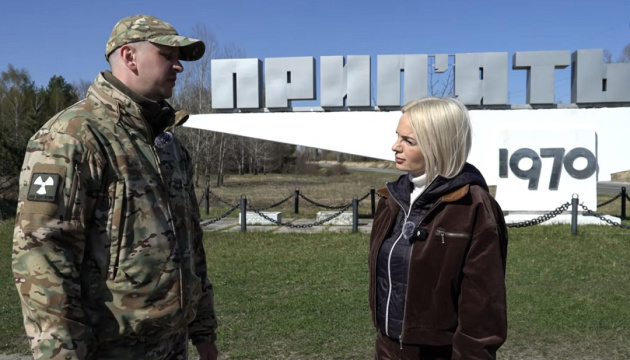
On the eve of the 40th anniversary of the world’s worst man-made disaster—the accident at the Chornobyl Nuclear Power Plant—a Ukrinform film crew traveled to the Exclusion Zone. Accompanied by National Guard serviceman Mark Baryshevskyi, we walked the streets of Pripyat, visited the Red Forest—where Russian troops dug in in 2022—measured radiation levels, and uncovered lesser-known facts about a city the Soviet authorities had once built as a “model showcase,” only for it to become a symbol of tragedy.
Our tour began in the Red Forest, where Russian forces established positions in March 2022.
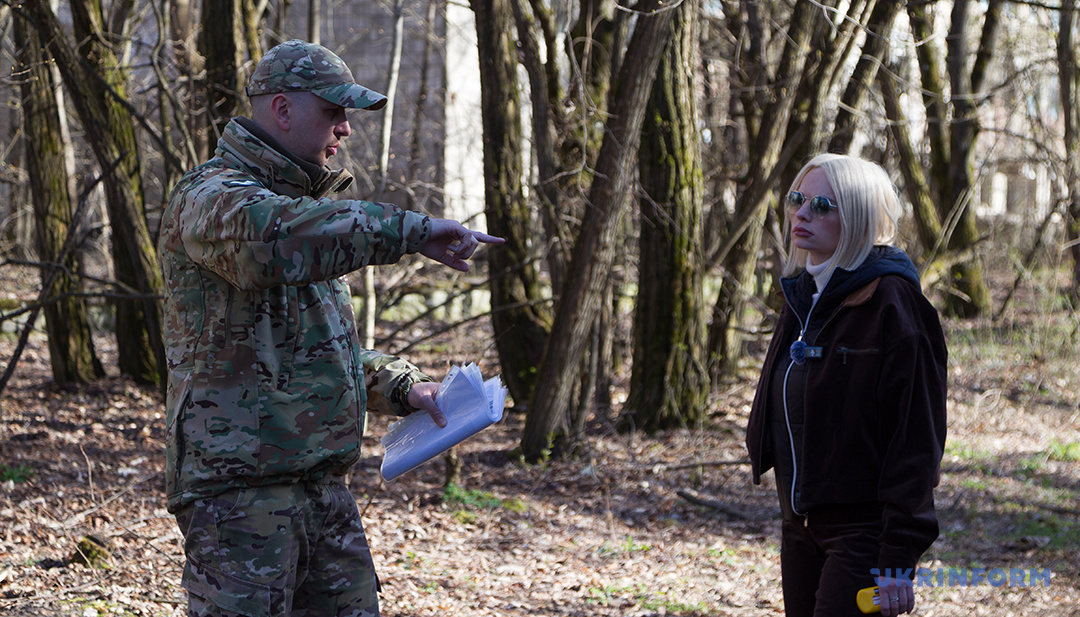
“As you can understand, this area has been heavily contaminated since the accident. I believe the Russians knew that, but given the kind of contingent that came in, some of them didn’t fully understand where they were. In general, the entire area we are in now is extremely dangerous. Just two steps forward or two steps to the left—and the radiation levels change significantly,” Baryshevskyi says.
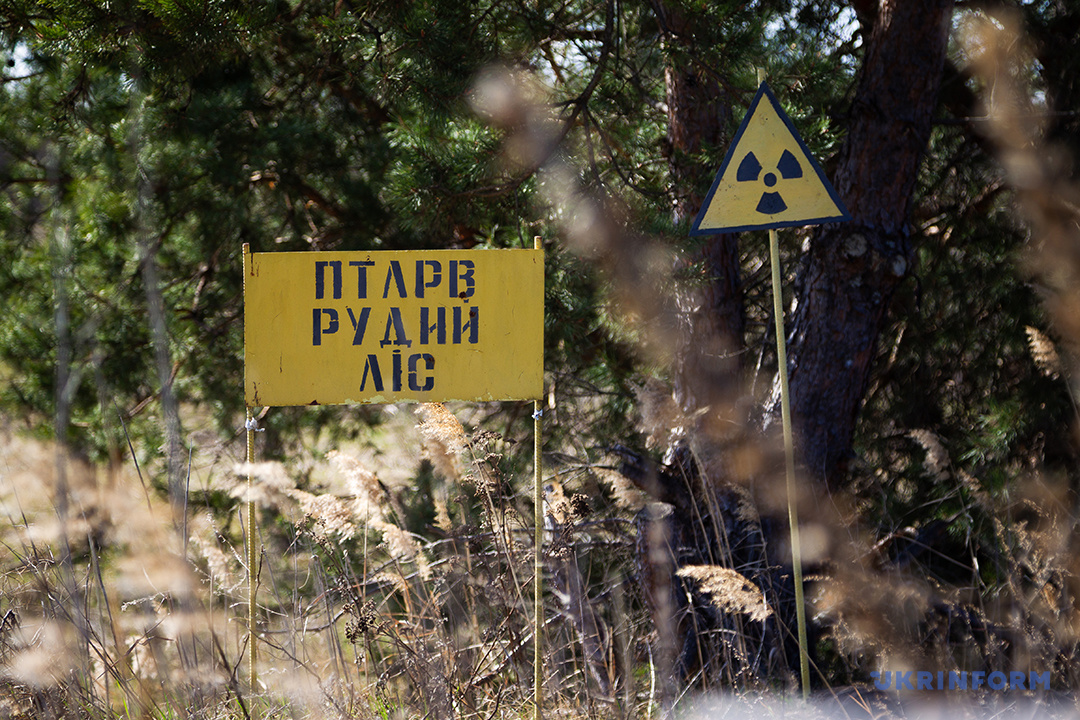
The dosimeter in hand confirms his words: 300 microroentgens per hour. The closer to the ground, the higher the reading.
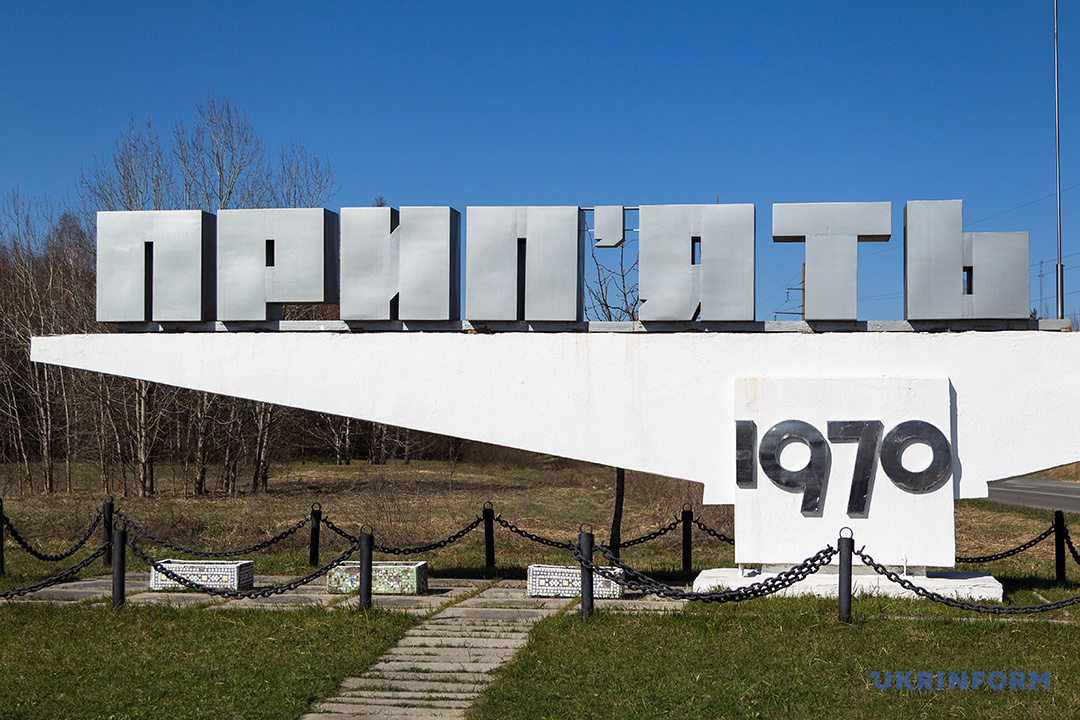
Pripyat’s central square was once the heart of the city—a place of celebrations, parades, and public gatherings. Around it stood the so-called “White House,” home to ChNPP director Viktor Bryukhanov, the Energetyk Culture Center, a department store, a restaurant, and an open-air dance floor. Nearby were a large theater and the Wedding Palace.
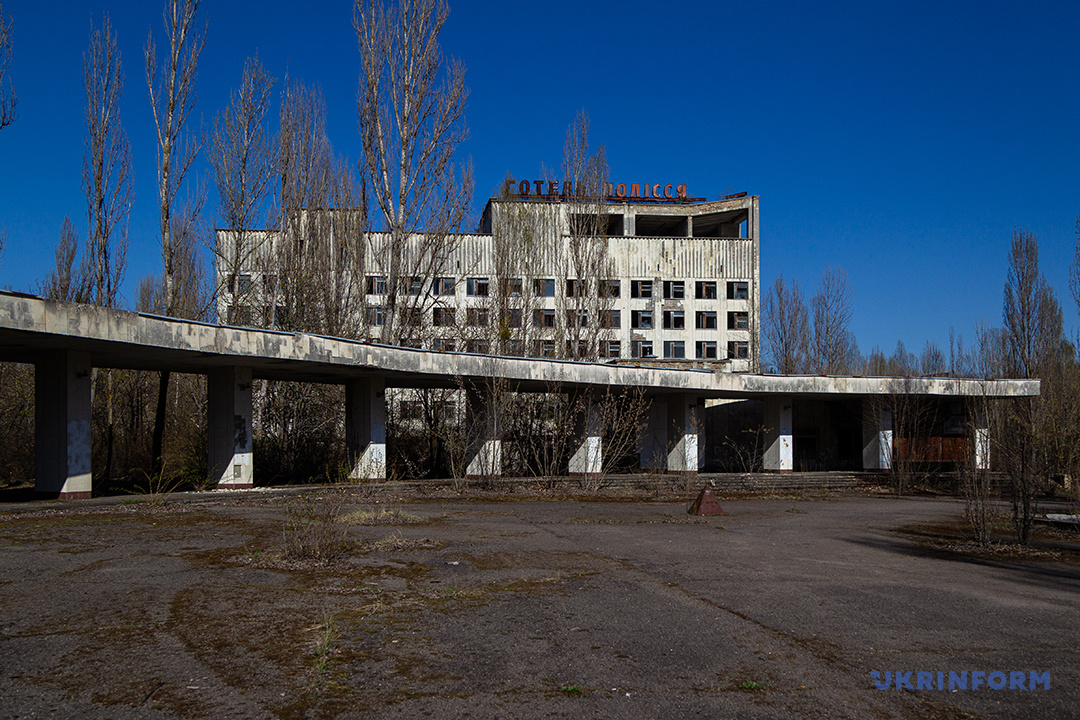
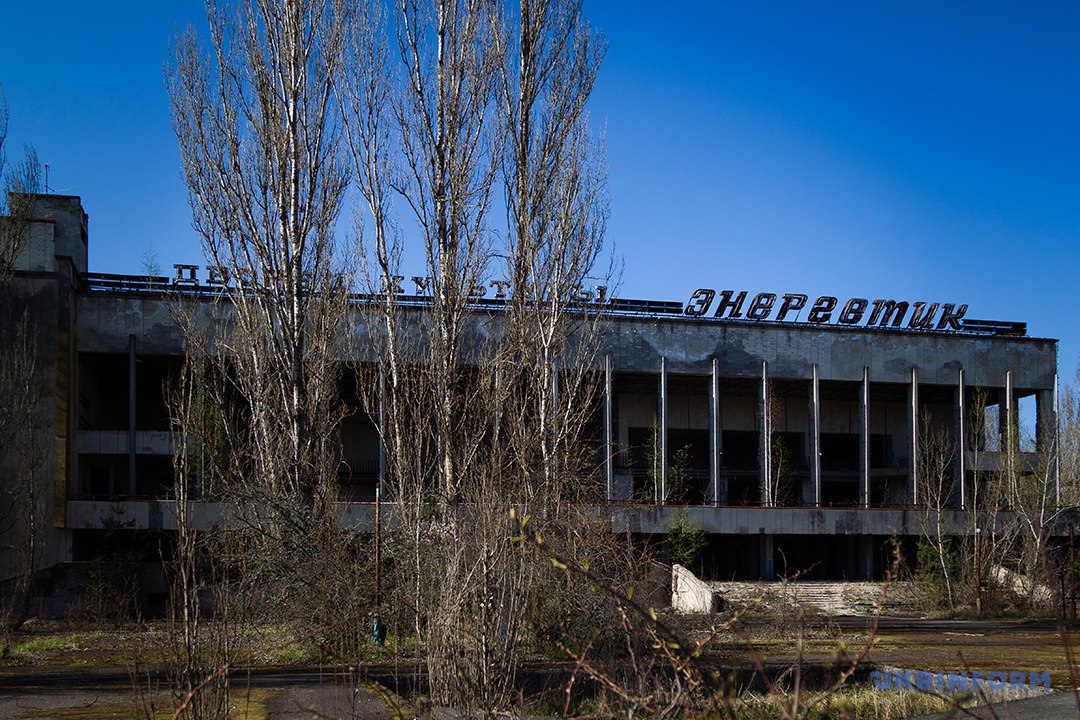
In one of the halls where music once blared, Mark points to traces of past life:
“The disco here was actually called ‘Edison-2.’ The person who created it from the very beginning now lives in Slavutych. By the way, he’s a journalist—alive and well, everything’s fine with him.”
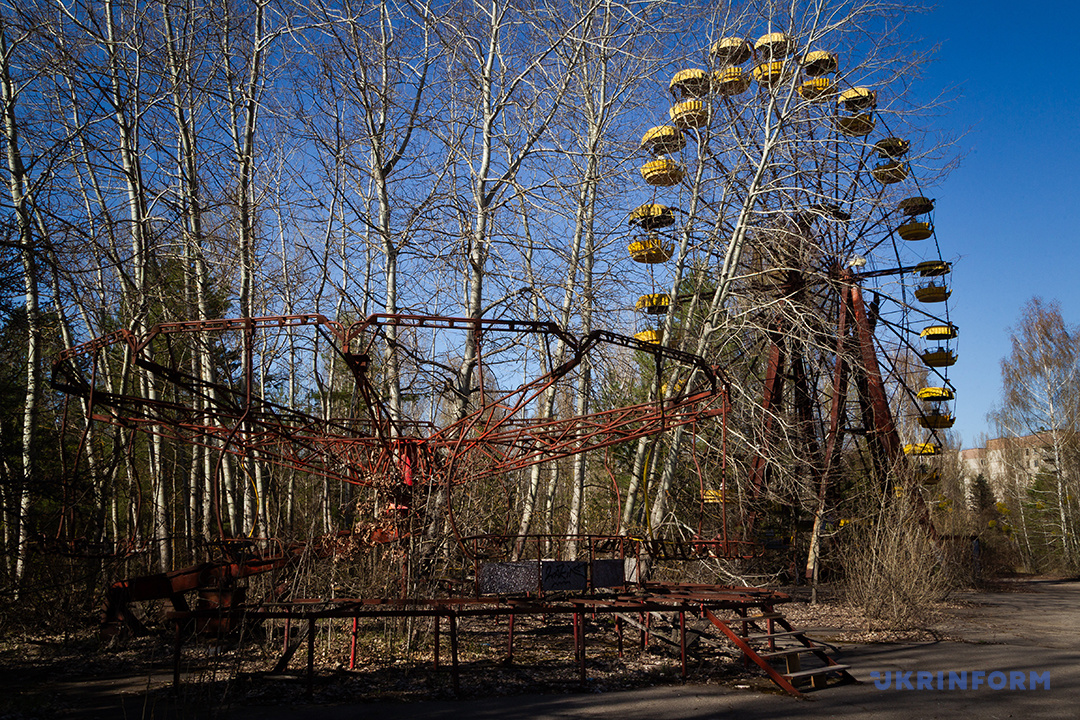
The evacuation began just 36 hours after the accident… Forty years on, and despite repeated looting, many things in the city have been preserved remarkably well. In the gym, the original climbing rope still hangs, and the floor has retained its painted color. Yet the large stained-glass windows were shattered not by time, but by people.
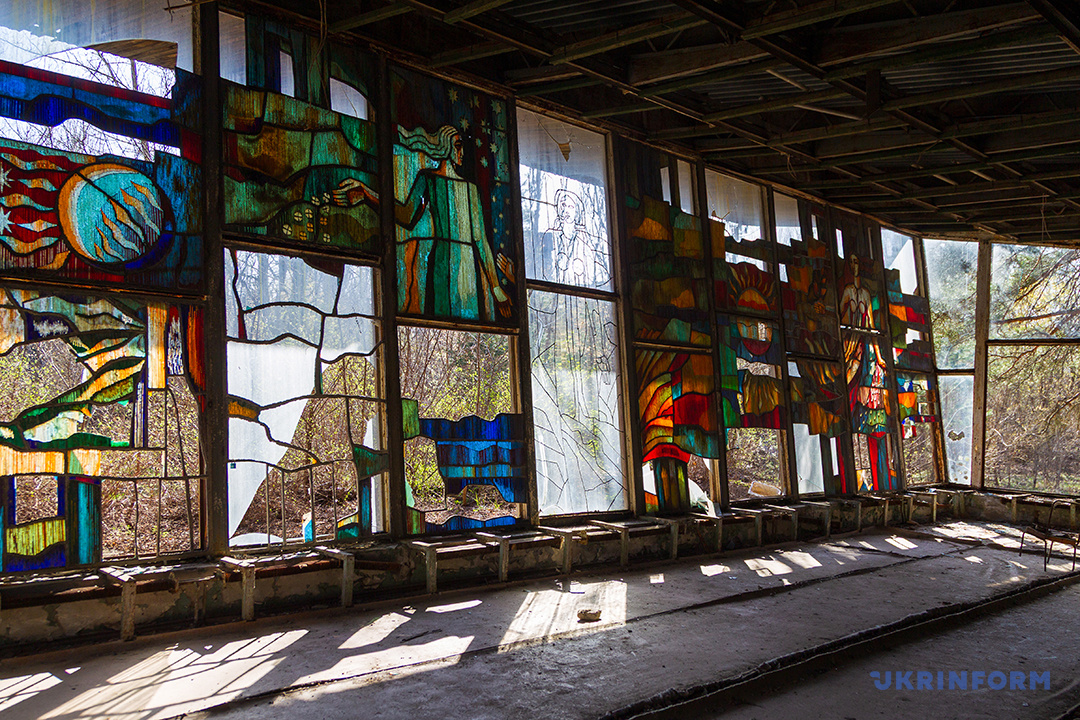
“Those who came here to loot took the gold, the silver, and tape recorders first,” Mark says.
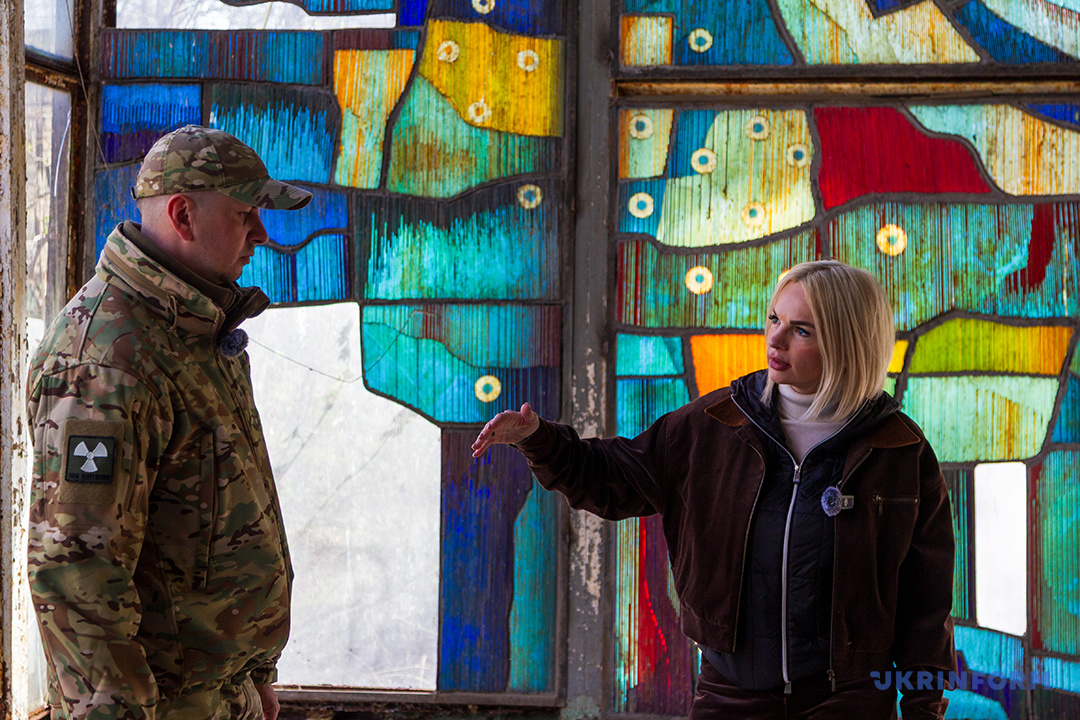
Pripyat itself was conceived as a model of the “Soviet way of life.” Scarce goods—tangerines, oranges, bananas—were supplied here, items rarely available in other cities.
“This was a showcase city designed purely for positive propaganda. They wanted to demonstrate how people in the Soviet Union lived. It was meant to be a ‘perfect’ city—an example to follow, a place to aspire to. There were even organized tours to show how people lived here, how one should live, what one should strive for,” Mark explains.
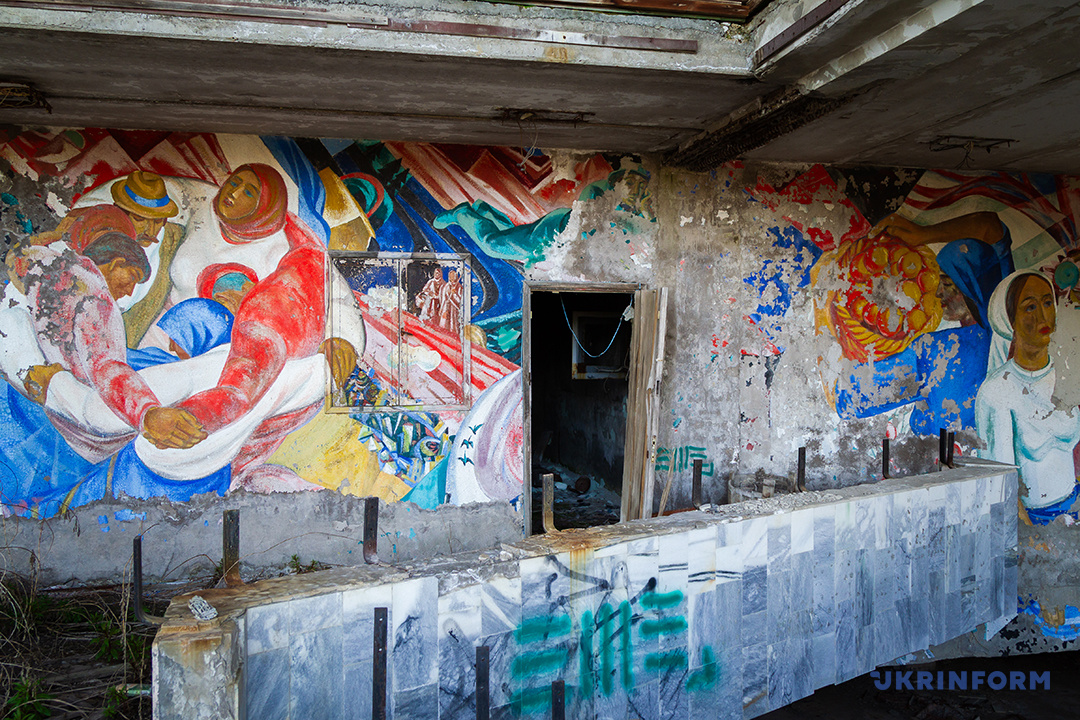
Soviet-era slogans on the building—“Let the atom be a worker, not a soldier” and “Peaceful atom in every home”—have taken on a bitter irony.
When asked why, after investing so much effort into creating a showcase city, the Soviet authorities failed to ensure the safety of the plant itself, Mark replies:
“It was a convergence of factors. The actions of the personnel, a shift change, the rushed pace of the test, the reactor design, and the structure of the facility itself. It could also have been the location—possibly seismically active, or affected by marshland, with certain sections subsiding… There were many contributing factors.”
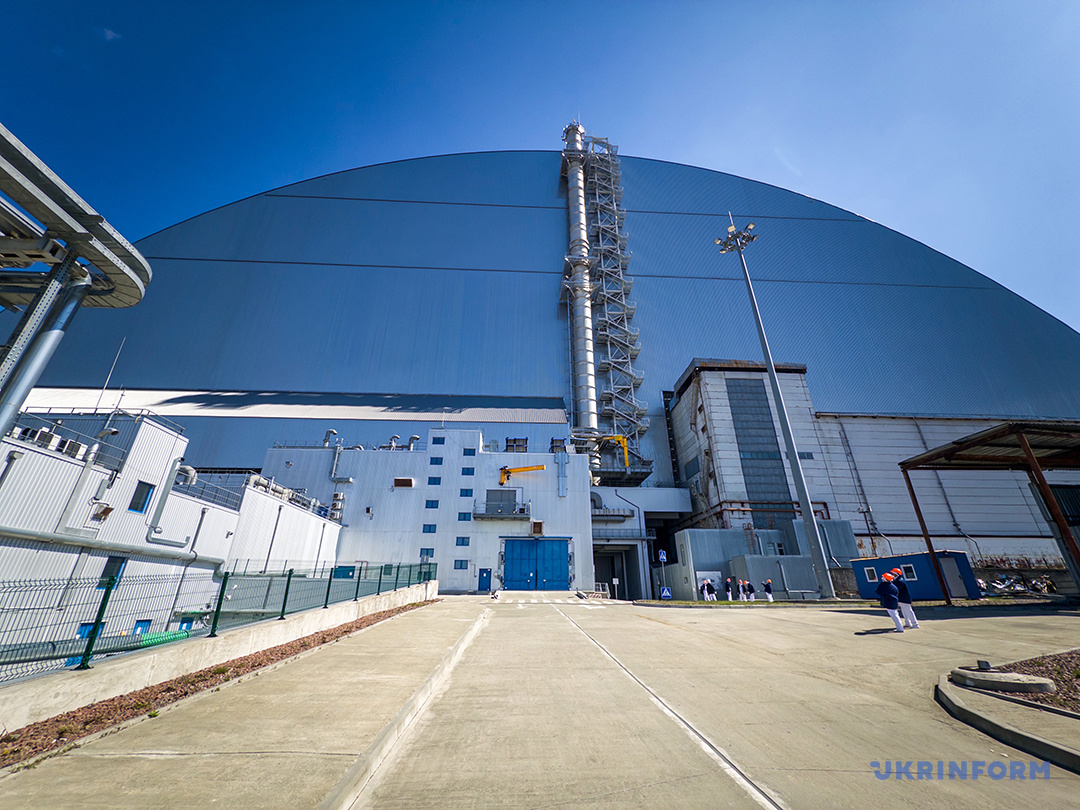
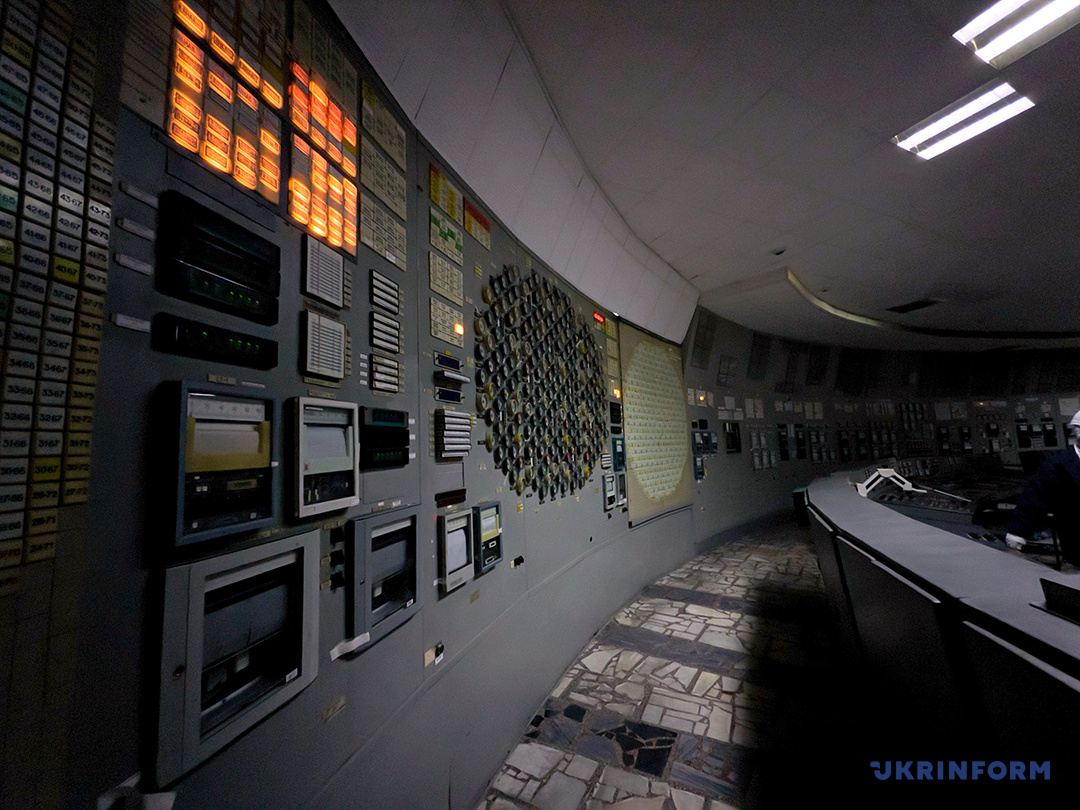
In conclusion, we asked Mark what the world should do to prevent a tragedy of this scale from happening again.
“It’s extremely difficult to control all surrounding processes, because people are different and driven by different ambitions. I can give you a simple example: Fukushima. That wasn’t about human error—nature played its role. And yet, as you can see, it happened again. No one is immune. We need to keep improving safety systems and approach this with full responsibility. No rushing, no premature conclusions. Everything must be measured down to the centimeter and built properly—so that it functions reliably, and so that qualified professionals are in place.”
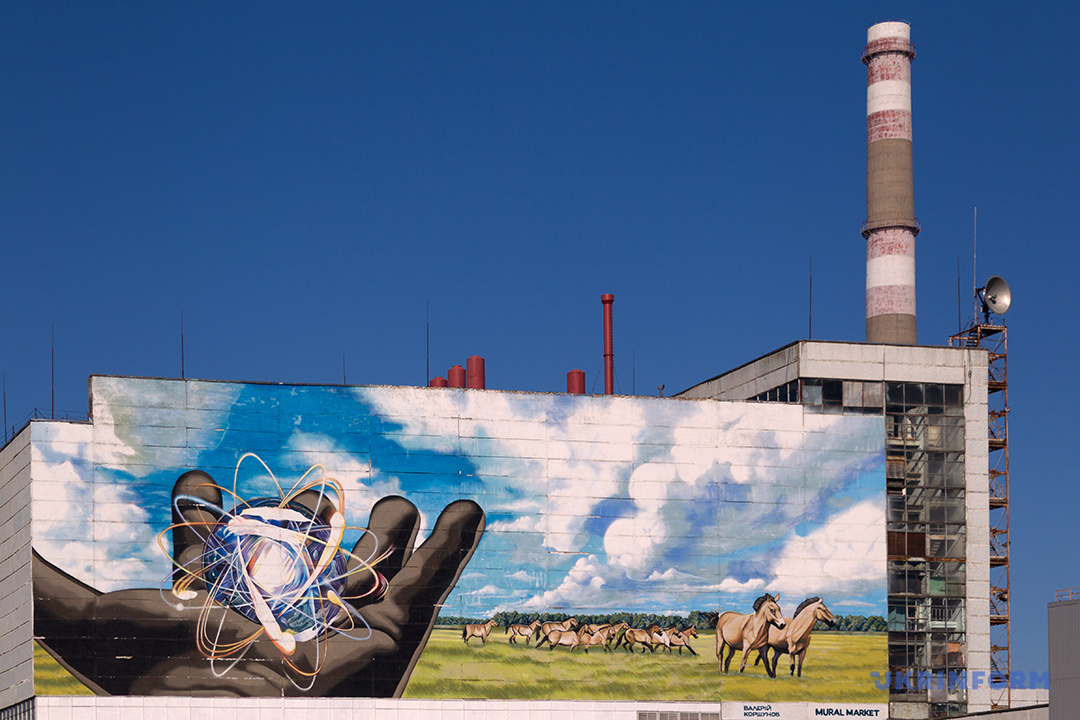
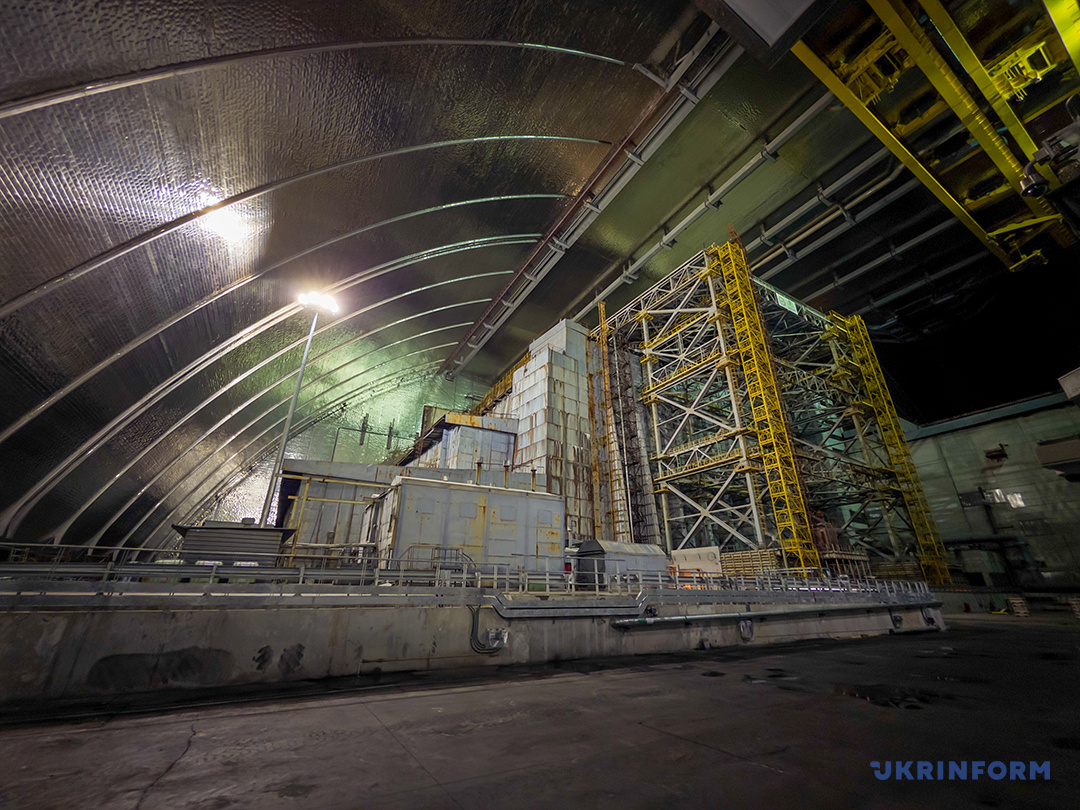
Chornobyl today is not only about ruins and radiation. It is a living memory of the cost of human irresponsibility, of Soviet propaganda, and of how war can return even to the most contaminated places on Earth. It is a place that should be preserved exactly as it is—a stark reminder for future generations.
Khrystia Ravliuk
Watch the special edition of the “There Is a Conversation” project in full on Ukrinform’s YouTube channel