Will the Kirovohrad Region Become a Lithium El Dorado?
For more than 35 years, the Kirovohrad region has been regarded as Ukraine’s lithium “El Dorado.” In 1989, geologists searching for gold discovered significant deposits of tantalum, niobium, rubidium, beryllium, tin, cesium-bearing minerals, and tungsten ores in the area. Yet it took another quarter-century for the ore zone to receive official recognition, and plans for the industrial development of its strategic mineral resources remained stalled for years.
The issue gained new momentum after attracting the attention of U.S. President Donald Trump, who publicly argued that Ukraine’s vast mineral wealth should form part of a broader framework for securing American support and security guarantees.
In May 2025, Ukraine and the United States signed an agreement on the development of critical minerals in Ukrainian subsoil, including the Dobra lithium deposit in the Kirovohrad region.
The project is set to be developed by a consortium of American investors that includes individuals closely associated with Trump. Under the terms of the tender, the consortium is expected to invest at least $179 million, with total financial commitments likely to exceed that amount substantially.
On the one hand, lithium represents far more than just another industrial project for the Kirovohrad region. It offers the prospect of modernized infrastructure, new jobs, and increased revenues for local budgets. On the other hand, significant questions remain: What impact will a potential “lithium rush” have on the environment, and will the interests of local communities take precedence over the profits of foreign corporations?
Ukrinform examined the issue.
WHY LITHIUM HAS BECOME THE NEW GOLD
Lithium is a critical raw material used in the production of rechargeable batteries, glass, ceramics, and lubricants. According to Ukraine’s State Service of Geology and Subsoil, global demand for the metal is expected to increase fivefold by 2030, with the battery sector accounting for as much as 90% of total consumption.
The largest producers of lithium are Australia, Chile, China, and Argentina, which together hold roughly 82% of the world’s proven reserves. The primary consumers of lithium are the rapidly growing economies of East Asia.
According to Bloomberg, China currently controls about 75% of global lithium-processing capacity and battery-cell production. Some estimates place its share even higher, at around 85%.
Against this backdrop, the United States and Europe are racing to build regional supply chains capable of reducing their dependence on China. To meet projected domestic battery demand by 2030, the United States is expected to invest approximately $87 billion across the lithium supply chain, while Europe may need to invest as much as $102 billion. Those figures could climb further if inflationary pressures persist.
As a result, plans to develop lithium deposits in the small Dobrovelychkivka community of the Kirovohrad region have become part of a much larger geopolitical and economic contest over access to critical minerals essential for the global energy transition.
As a result, plans to develop lithium deposits in the small Dobrovelychkivka community of the Kirovohrad region have become part of a much broader geopolitical and economic contest over access to critical minerals.
At present, lithium is not mined in Ukraine. The country’s lithium ore reserves are estimated to account for roughly one-third of Europe’s proven resources, although the exact figures remain classified. According to Ukraine’s State Service of Geology and Subsoil, the country has three explored lithium deposits and one preliminarily assessed lithium-bearing area, along with several identified occurrences of lithium mineralization.
However, two of the explored deposits—located in the Zaporizhzhia and Donetsk regions—are currently off-limits for development because of Russia’s ongoing aggression. This leaves two key prospects in the Kirovohrad region: the Polokhivske deposit and the Dobra site. Of the two, it is Dobra that has attracted the attention of foreign investors.
AMONG THE INVESTORS IS A LONGTIME TRUMP ALLY
As Ukrinform previously reported, in January Ukraine’s Cabinet of Ministers selected the winner of a tender to develop the Dobra lithium deposit under a production-sharing agreement (PSA). The winning bidder was Dobra Lithium Holdings JV, LLC, whose shareholders include the internationally recognized companies TechMet and The Rock Holdings.
The sole beneficiary of The Rock Holdings is American billionaire Ronald Lauder, a longtime associate of U.S. President Donald Trump.
According to The New York Times, Lauder, an heir to the Estée Lauder cosmetics fortune, has known Trump since their college years. Beyond his business interests, he is a prominent philanthropist and president of the World Jewish Congress.
The second major investor, TechMet, specializes in critical minerals and energy-transition metals. The company is partly owned by the U.S. International Development Finance Corporation (DFC), a government-backed investment agency that expanded its strategic minerals portfolio during Trump's first administration. TechMet focuses on securing supplies of minerals essential for electric vehicles, battery manufacturing, and renewable energy technologies, reflecting Washington’s broader effort to reduce dependence on Chinese-controlled supply chains.
Lauder is far from a newcomer to Ukraine. Long before emerging as an investor in the Dobra lithium project, he had established ties to the country through both business and philanthropic activities. His company, CME, held a significant stake in Ukraine’s 1+1 television channel for many years.
In 2020, Ukrinform reported on the signing of a Memorandum of Understanding and Cooperation between the Government of Ukraine and the Babyn Yar Holocaust Memorial Center. The document was signed by then Minister of Culture and Information Policy Oleksandr Tkachenko and Ronald Lauder, who serves on the Memorial Center’s Supervisory Board and is president of the World Jewish Congress. A year earlier, at the Kyiv Jewish Forum, Lauder was awarded the prestigious Sheptytsky Medal, a distinction recognizing contributions to Ukrainian-Jewish relations.
The consortium’s other key investor, TechMet, is a private company specializing in the mining, processing, and refining of critical minerals. Headquartered in Dublin, Ireland, it owns and invests in assets linked to the production of metals essential for electric vehicles, battery technologies, and renewable energy systems.
TechMet also benefits from substantial support from the U.S. International Development Finance Corporation (DFC), the American government's development-finance institution. This backing reflects Washington’s broader strategy of securing reliable supplies of critical minerals and reducing dependence on China-dominated supply chains.
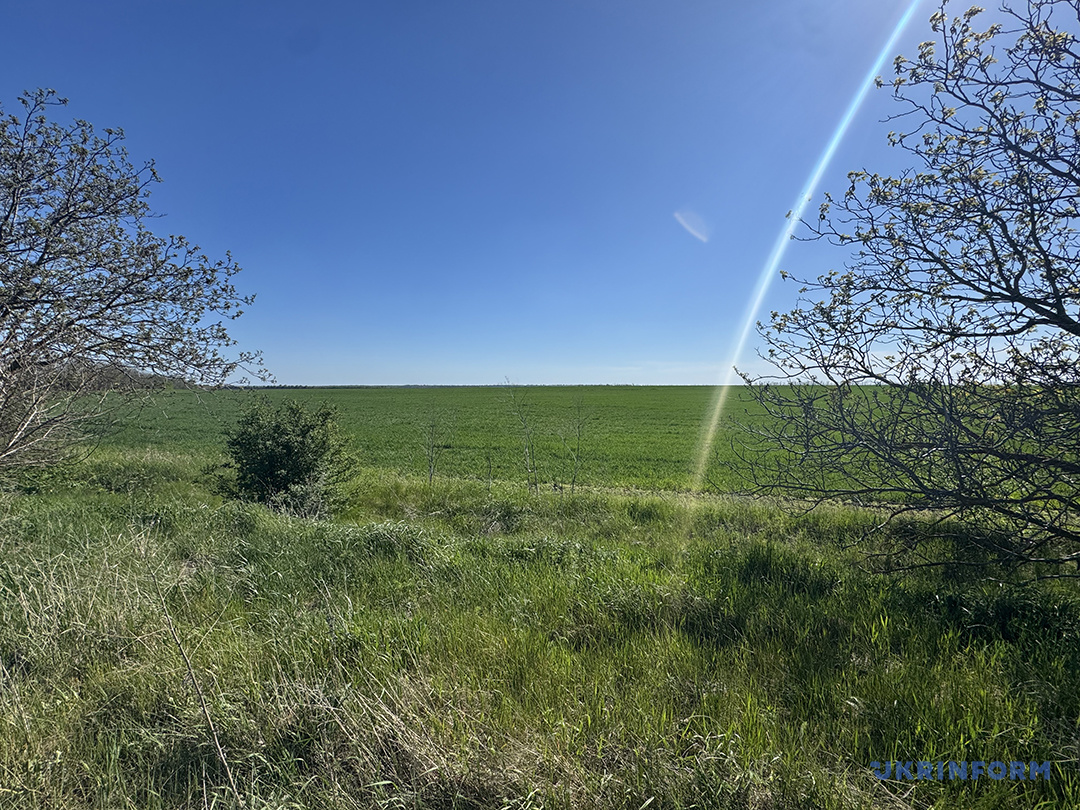
Dobra site
DOBRA SITE: MORE THAN 100 MILLION TONNES OF ORE
The Dobra deposit is located in the Novoukrainka district of the Kirovohrad region, extending from the eastern outskirts of the village of Novostankuvata to the northern edge of Ternove.
Its history began long before lithium became a cornerstone of the global energy transition. In 1989, geologists from Expedition No. 47 of the Kirovheolohiya enterprise discovered a series of promising mineral occurrences while exploring for gold and rare metals. What made the site particularly attractive was the overlap between lithium-bearing ore bodies and anomalies associated with gold and other valuable metals, significantly enhancing the area's overall economic potential as a complex mineral deposit.
In addition to lithium, geologists identified deposits containing gold, tantalum, niobium, rubidium, beryllium, tin, cesium-bearing minerals, and tungsten. Further exploration carried out between 1991 and 2001 confirmed the site's significance and laid the groundwork for its eventual designation as one of Ukraine’s most promising lithium prospects.
A second phase of exploration took place between 1991 and 2001, when more detailed geological surveys were conducted.
“The Dobra lithium ore site consists of two mineral occurrences—Nadiia and Stankuvatka. During the 1990s, exploration work was carried out by the specialized geological enterprise Kirovheolohiya. These were not lithium-focused projects as such; rather, they were broader exploration programs targeting lithium, rare metals, gold, and other minerals. However, the work revealed a high concentration of lithium. The two most promising areas were then selected for further study, additional drilling was undertaken, and geophysical surveys were completed,” says Mykhailo Heichenko, CEO and chief geologist at UkrLithiumMining.
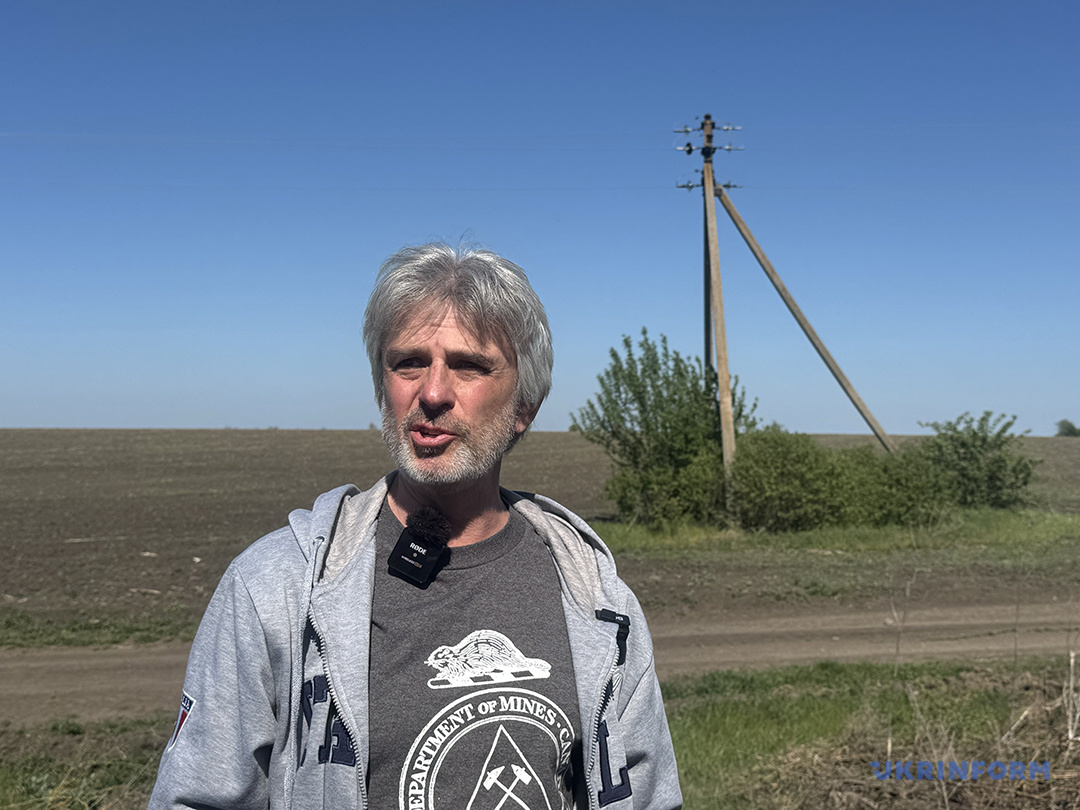
Mykhailo Heichenko
A major milestone came in 2017, when Ukraine’s State Commission on Mineral Reserves officially merged the Nadiia and Stankuvatka occurrences into a single ore zone currently known as the Dobra deposit.
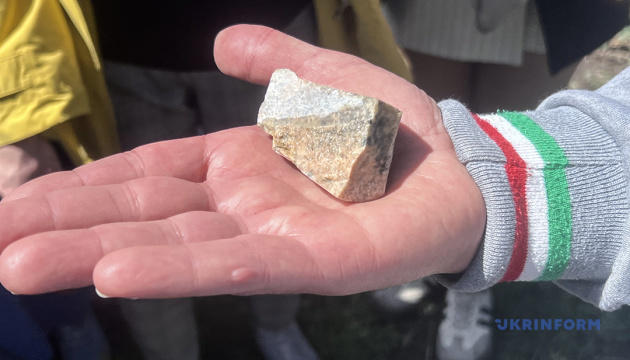
One of Dobra’s most important characteristics is the presence of two key lithium-bearing minerals—spodumene and petalite. According to Heichenko, the coexistence of both minerals increases the deposit’s economic potential but also poses technological challenges, requiring more sophisticated extraction and processing solutions than those used at deposits dominated by a single lithium-bearing mineral.
“Spodumene is the more attractive mineral because it contains a higher concentration of lithium and has a greater specific gravity, which allows it to be recovered through gravity separation. Petalite is lighter and contains less lithium, so it must be processed using flotation. Most of the ore, based on the information currently available, is mixed. This complicates the beneficiation process and the production of high-quality concentrates, since a multi-stage processing scheme will be required. At the same time, there are zones dominated by petalite and others dominated by spodumene,” he explains.
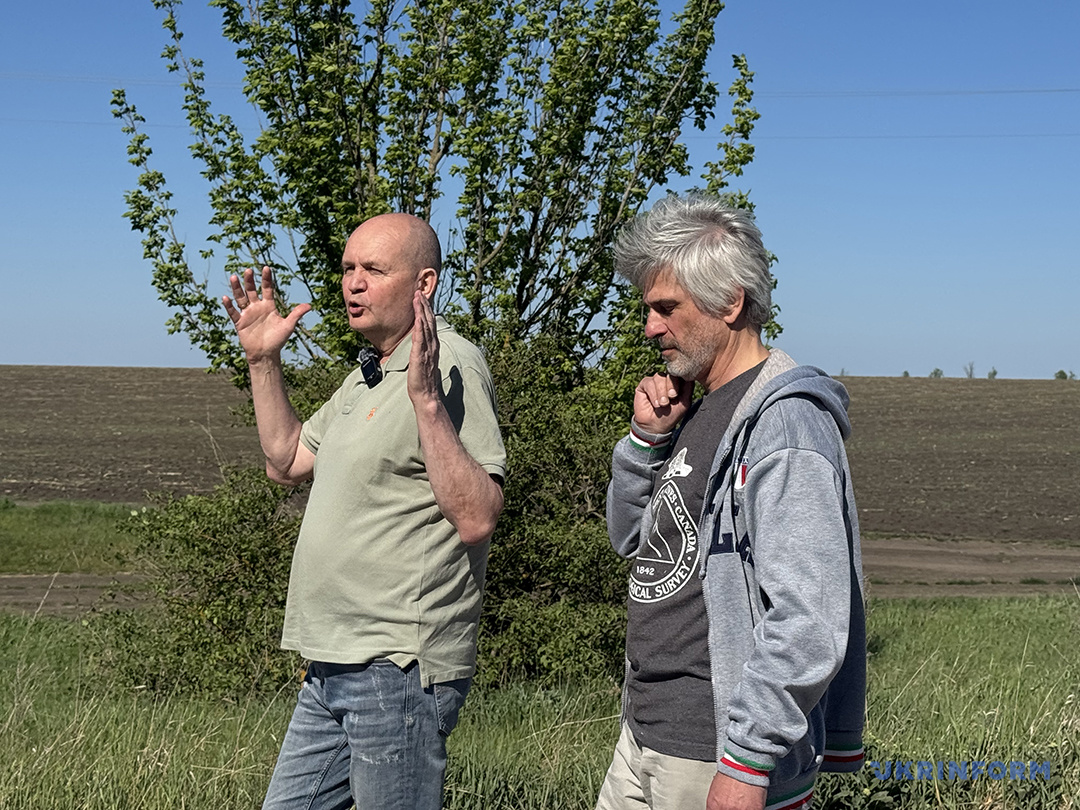
Mykhailo Heichenko (right) and Bohdan Slobodian
As for the size of the resource, Heichenko notes that information on lithium reserves remained classified for decades, and estimates continue to vary.
“I estimate there are around 60 million tonnes of ore here. My colleague Bohdan Ivanovych believes the figure could be closer to 100 million tonnes. If mining proceeds at a rate of one million tonnes of ore per year, that would support operations for roughly 60 years. Even if production increases to one and a half or two million tonnes annually through more advanced technologies, the deposit would still be worked for decades. If the resource is 60 million tonnes, that is at least 30 years of mining. If it is 100 million tonnes, then even our grandchildren will be working here,” he says.
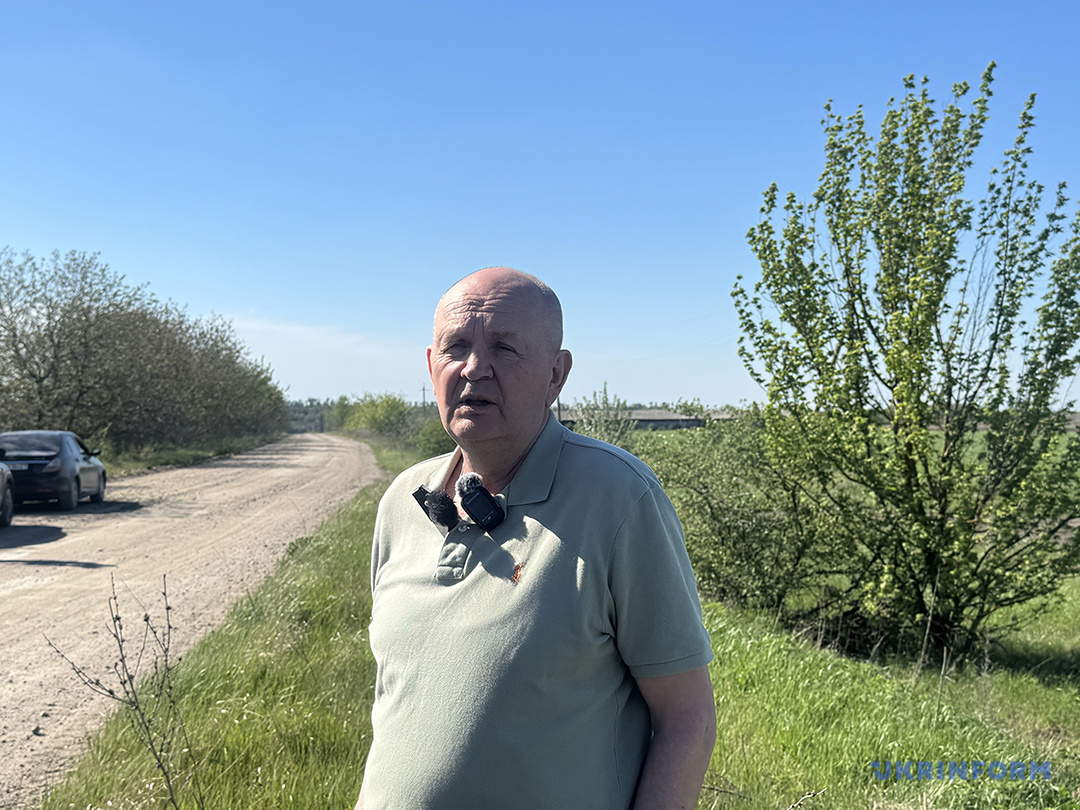
Bohdan Slobodian
Bohdan Slobodian, a postgraduate researcher at the Institute of Geochemistry, Mineralogy and Ore Formation of the National Academy of Sciences of Ukraine and a former chief geologist at UkrLithiumMining. His assessment of the deposit is even more optimistic.
In his view, the historical exploration data point to a resource base of more than 100 million tonnes of lithium-bearing ore within the boundaries of the current license area. The relatively shallow depth of mineralization, combined with the deposit’s extensive footprint, supports this more optimistic assessment.
“I rely on the data collected by Kirovheolohiya during exploration work in the 1990s. The first drill hole that identified lithium was completed in 1989, and the last in 1994. Based on those results, the mineral resources exceed 100 million tonnes of ore. The assessment extends to a depth of 500 meters. In practical terms, the lithium-bearing ore begins immediately beneath the loose overburden, at depths ranging from roughly 60–80 meters down to 500 meters. The licensed area covers 1,700 hectares. Those parameters are what underpin our estimates,” Slobodian explains.
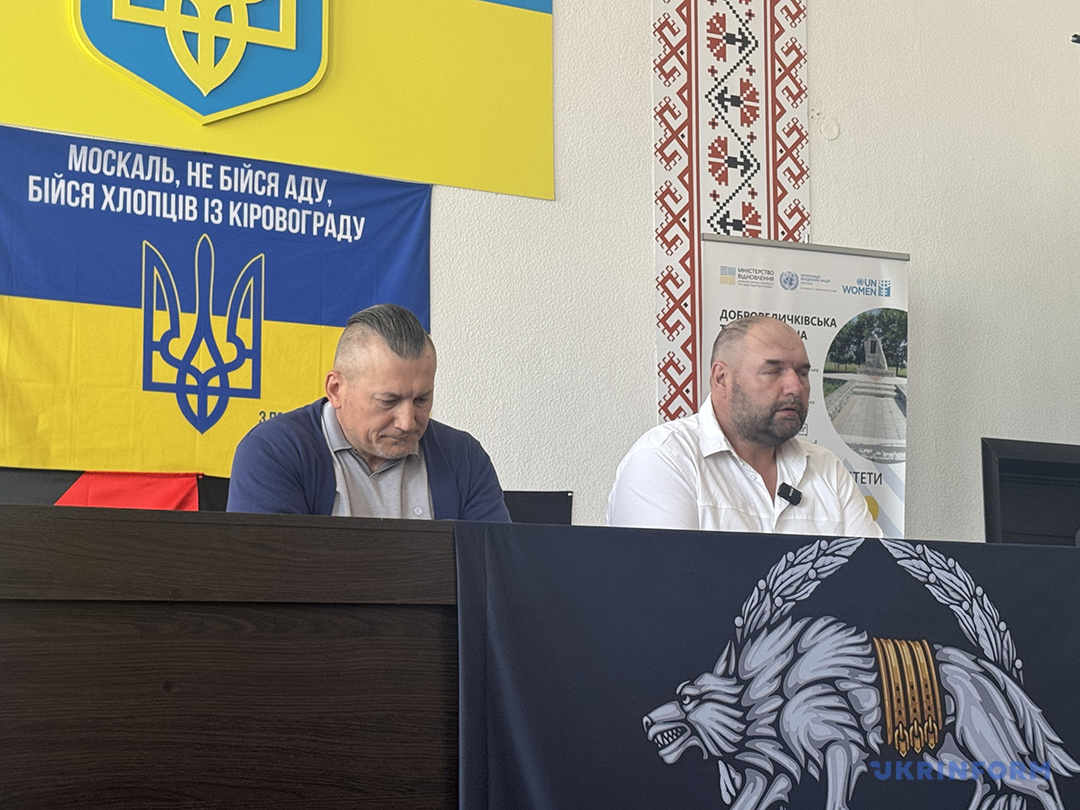
THE COMMUNITY DOES NOT KNOW THE DETAILS OF THE AGREEMENT: EVERYTHING IS CLASSIFIED
Despite growing interest in the Dobra project, local authorities say they have little information about how the development will proceed. Mykhailo Heichenko and Bohdan Slobodian spoke to journalists directly at the Dobra site. Yet there are currently no visible signs of mining activity there—only vast stretches of farmland.
This raises several key questions for local residents: What will happen to the land? How much territory will ultimately be required for mining and processing operations? And what role, if any, will the community have in decisions concerning one of the country's most strategically important mineral projects?
According to local officials, answers to many of those questions remain unavailable because most details of the agreement and the project's future development are still classified.
The area is overwhelmingly agricultural, says Volodymyr Osiievskyi, head of the Dobrovelychkivka community.
“Our community has a population of about 13,000 people. We have no industry or other major economic activity apart from people working the land.”
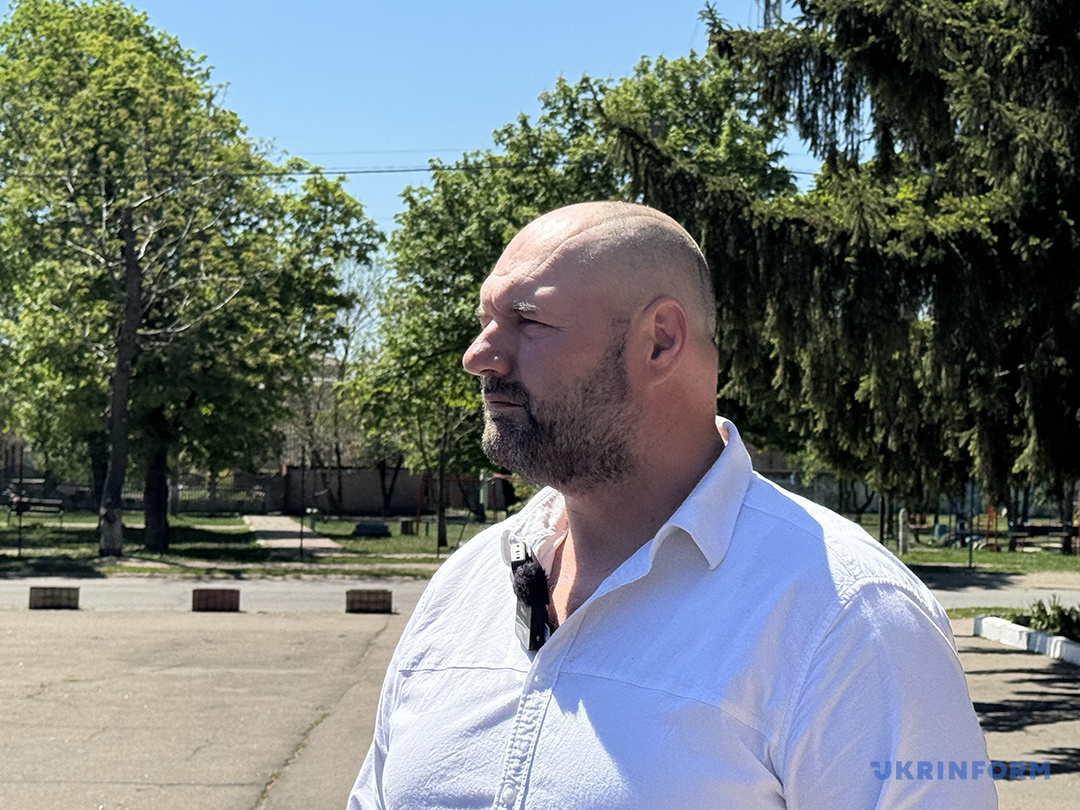
Volodymyr Osiievskyi
His comments underscore both the region’s dependence on agriculture and the potentially transformative impact of any future mining project. For local residents, the development of the Dobra deposit is not simply a matter of investment and economic growth. It also raises questions about land use, environmental protection, and the long-term future of the community. With large-scale mining yet to begin and many aspects of the project still shrouded in secrecy, uncertainty remains high among local stakeholders.
Osiievskyi says that, so far, neither local authorities nor residents have received meaningful information about how or when the project is expected to move forward.
“We contacted the relevant ministry and were told that this information cannot currently be disclosed because it is classified.”
He also notes that representatives of the local community were excluded from the commission responsible for overseeing the selection process.
“Our last communication took place in 2025. Before the winner of the tender was announced, we received a response stating that we would not be allowed to participate in the commission. We learned who had won from public sources.”
According to Osiievskyi, local authorities have not received any official project documentation or requests from the investors. Neither the investors nor their representatives have visited the community to present their plans or discuss the project's potential impact.
The lack of communication has left local officials in an unusual position: they broadly support the prospect of investment and development, yet possess little information about what one of Ukraine’s most strategically significant mining projects might ultimately mean for the region.
Despite the lack of information, local officials and residents are generally supportive of the prospect of lithium mining. They view the project as a potential driver of economic growth, capable of creating jobs, generating demand for local goods and services, and improving infrastructure and educational opportunities.
Osiievskyi notes that a college in a neighboring community could potentially provide training for specialists needed by the mining industry, helping to ensure that at least some of the benefits remain within the region.
Moreover, he believes the project's impact would extend far beyond the mine itself. The development of a large industrial operation could stimulate growth in transportation and logistics, hospitality and catering, healthcare services, and a range of other supporting industries, creating broader economic opportunities for local residents.
WHAT ABOUT THE LAND?
When it comes to land use, Osiievskyi says the outlook is somewhat reassuring. According to the maps currently available to local authorities, the core of the Dobra deposit is located primarily on municipally owned land rather than on privately held agricultural plots.
“Based on the maps we have, the deposit itself is situated mainly on communal land rather than on privately owned farming shares. The total licensed area covers about 1,700 hectares. However, mining operations and a processing plant will not require all of that area. The geological surveys were originally mapped against existing agricultural land plots, but the area where we see the core of the deposit is communal land. As for leased land, those issues will have to be resolved as they arise.”
He adds that it remains unclear how much land will ultimately be required for industrial facilities and where exactly they will be located. However, local authorities do not expect widespread expropriation of farmland, partly because the deposit is expected to be developed through underground mining rather than open-pit extraction.
For now, however, the community remains largely in the dark. Without access to detailed project plans, financial commitments, or development timelines, local officials say they are unable to assess the project's full implications.
“We do not have the baseline information that would allow us to model or forecast different scenarios. Local council members ask questions, residents ask questions, but we simply do not have the answers. And when information is lacking, rumors, speculation, and frightening stories begin to fill the void,” Osiievskyi says.
фото
His remarks illustrate one of the key challenges facing the Dobra project. While local authorities broadly welcome the prospect of investment, job creation, and economic development, they say they have not been provided with sufficient information to evaluate the project's potential impact on land use, employment, infrastructure, environmental protection, or the long-term development of the community.
As a result, public sentiment in the area remains cautiously optimistic but marked by uncertainty. Residents generally support the idea of lithium extraction, yet many questions about how the project will be implemented—and who will ultimately benefit from it—remain unanswered.
ENVIRONMENTAL CONCERNS: WATER AND RADIATION
The environmental implications of lithium extraction remain one of the most sensitive aspects of the Dobra project. Experts point to several potential risks, including the depletion of groundwater aquifers and the formation of hydrogeological depression cones, as underground mining typically requires the continuous pumping of groundwater. Other concerns include contamination of surface water by mineralized mine drainage, land subsidence above underground workings, and the long-term management of processing waste.
Another issue is the region’s natural radioactivity. The Kirovohrad region lies within Ukraine’s uranium-bearing geological belt, meaning that many deep granite formations exhibit elevated natural background radiation levels.
According to Mykhailo Heichenko, however, some of the most significant environmental risks can be reduced through the choice of mining method. He argues that the deposit is unlikely to be developed either as a conventional vertical-shaft mine or as a large open-pit operation.
“If we attempted to mine ore from a depth of 500 meters using an open pit, the quarry would have to be enormous. Vast areas of agricultural land would be taken out of production. But the greatest problem would be the formation of what is known as a hydrogeological depression cone. Water could disappear from surrounding villages—or, at the very least, water levels in wells would fall significantly, making it necessary to bring in water from elsewhere.
“There is also the question of how much waste rock would have to be removed to reach the ore body. For these reasons, the open-pit option was ruled out, and the decision was made to pursue underground development instead.”
Heichenko stresses that the planned operation is likely to rely on a more complex underground mining system designed to minimize surface disturbance and reduce the project's footprint on agricultural land and local water resources. Nevertheless, environmental specialists note that underground mining does not eliminate these risks entirely and that their ultimate impact will depend on the mine's design, water-management systems, waste-disposal practices, and environmental safeguards implemented during development.
“I avoid using the word ‘mine’ because it typically implies a vertical shaft. I am not convinced that a traditional shaft will be built here. A more likely scenario is an inclined access ramp descending underground, followed by a network of spirals, drifts, raises, and other horizontal workings. In essence, it would be a multi-level underground mining system,” the geologist explains.
He adds that the site's natural radiation background has already been studied as part of preliminary geological and environmental assessments.
“If a core sample from the deposit shows an unusually high reading, an additional sample is taken and the source of the gamma radiation is investigated. Such anomalies can occur in certain areas because of elevated potassium content. We are dealing with granite formations, where potassium feldspar is the dominant mineral. Wherever its concentration is slightly higher, background radiation levels increase accordingly.
“However, the deposit falls into the first safety category, meaning it is fully safe from a radiological standpoint. Local residents have no reason to be concerned,” he says.
According to Heichenko, the elevated readings occasionally detected in drill cores are linked to the natural geological composition of the granite rather than to hazardous concentrations of radioactive materials. As a result, he argues that radiation is unlikely to become a major obstacle to the project's development.
THE AGREEMENT IS IN PLACE — WHAT COMES NEXT?
The Dobra lithium project has become the first major initiative to emerge from the broader agreement on the joint development of mineral resources signed by Ukraine and the United States.
The deposit is set to be developed under a production-sharing agreement (PSA), a framework that allows private investors to finance exploration and extraction while sharing future revenues with the state. Supporters of the model argue that it enables Ukraine to attract large-scale foreign investment and technical expertise without shouldering the upfront costs of developing a complex mining project.
For Dobra, however, the signing of the agreement marks only the beginning of what is expected to be a lengthy process. Before commercial production can begin, investors must conduct additional geological studies, finalize mining and processing plans, complete environmental assessments, secure permits, and build the infrastructure required to support extraction and processing operations.
Under the terms of the tender, the minimum investment commitment was set at $179 million, although the consortium’s actual financial obligations are expected to be significantly higher. The precise amount, however, has not been disclosed publicly.
The winning bidder will enter into a production-sharing agreement with the Ukrainian government for a period of up to 50 years, after which it will receive a special permit for the use of subsoil resources. The project is expected to generate new jobs and create opportunities for local businesses through procurement, contracting, and service provision.
Before extraction can begin, the consortium must undertake a more detailed geological assessment to establish the deposit’s actual size, quality, and economic value. It will then be responsible for financing the infrastructure, equipment, and processing facilities required to bring the project into production. Industry experts note that the transition from a promising mineral discovery to full-scale commercial mining is typically a lengthy process that can take many years.
For now, the Dobra project remains at an early stage. While investors, geologists, and local officials point to its considerable economic potential, many practical questions remain unresolved. These include the effectiveness of future environmental safeguards, the extent of community involvement, the development of supporting infrastructure, and the ultimate scale of investment.
What is already clear, however, is that the Dobra deposit has become more than a local mining project. It now forms part of a broader strategic effort by Ukraine and its Western partners to secure supplies of critical minerals that are increasingly essential to the global energy transition and the industries of the future.
Myroslava Lypa. Kropyvnytskyi
Photos via Author
This report was compiled as part of the press tour "In Search of Ukrainian Lithium", organized by the industry news agency Nadra.Info in cooperation with the European Climate Foundation