Russia runs out of oil storage capacity due to US pressure and sanctions - Reuters
Reuters stated this in an article, according to Ukrinform.
Russia's oil exports have slowed in recent months following tighter U.S. sanctions, the introduction of tariffs on India for purchasing Russian oil, and the EU's refusal to import Russian LNG. A proposal by the European Commission to impose a full ban on any activity supporting the maritime export of Russian crude oil would further increase pressure on Moscow.
According to analytics firm Kpler, Russia's seaborne oil exports, which stood at 3.8 million barrels per day (bpd) in December, fell to 3.4 million bpd in January and are about 2.8 million bpd in February. At the same time, the volume of Russian oil stored on tankers has risen to a record level of more than 150 million barrels in recent months, while many tankers have also slowed their speed - both indicators of weakening demand.
Analysts believe pressure on Russian exports could intensify in the coming months as India, which was the largest buyer of Russia's seaborne oil last year, prepares to curb purchases to reach a trade deal with the United States.
According to Kpler, India bought about 1.7 million bpd last year, accounting for roughly half of Moscow's total seaborne exports. In January, imports dropped to about 1.1 million bpd, and although a slight recovery is expected in February, a sharp decline is forecast starting in March. While the three largest refiners - Indian Oil Corporation, Bharat Petroleum, and Reliance Industries - have stopped purchasing Russian oil, India's imports are unlikely to fall to zero.
This slowdown in purchases is triggering a negative chain reaction in Russia's oil logistics. Longer voyages by the so-called shadow fleet are tying up tankers, reducing the number of vessels available to store additional oil at sea, which in turn forces producers to redirect more crude to domestic storage facilities.
The size of Russia's onshore storage capacity is unknown, as the government does not publish relevant data, but it appears to be limited. According to Kpler, based on satellite monitoring of tanks, onshore oil stocks amount to about 16 million barrels, or roughly 51% of total capacity.
If necessary, Russia could use part of its vast pipeline network for storage, which Kpler estimates could raise total onshore capacity to about 100 million barrels.
However, even that reserve may prove insufficient. Russia produces about 9.3 million barrels of oil per day, roughly half of which is exported. At this pace, onshore storage could quickly fill up if exports remain constrained, leaving production cuts as the only viable option.
According to Rystad Energy, oil output in Russia could decline by 300,000 barrels per day between March and May due to these logistical problems.
Oil and gas revenues are the Kremlin's main source of income, accounting for nearly a quarter of federal budget revenues. According to the Finance Ministry, state oil and gas revenues in January fell by half year-on-year to their lowest level since July 2020, due to lower oil prices.
As previously reported by Ukrinform, U.S. Trade Representative Jamieson Greer said that India is already reducing purchases of Russian oil while increasing imports of American energy resources.
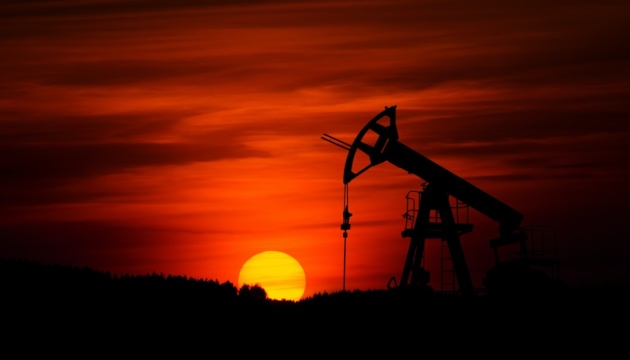
Photo: Unsplash