Tactical pause and temporary trade truce – the key takeaways from the Trump-Xi meeting
The outcomes of the long-awaited bilateral meeting between US President Donald Trump and Chinese leader Xi Jinping in Busan, South Korea, on October 30, 2025, on the sidelines of the APEC summit have underscored dramatic shifts in the global economic landscape and the strengthening of China's economic weight
Each meeting between the leaders of China and the United States is a major event for these two countries and the world as a whole, as the relationship between the world’s two largest economies affects every country worldwide, literally. With Donald Trump's return to the White House and the resumption of the tough tariff confrontation with China, his meeting with Xi Jinping was of particular importance and attracted the attention of the whole world.
An analysis of the results of the talks between Trump and Xi in South Korea provides some opportunities to predict the further development of Sino-American relations, as well as their possible impact on stopping the war in Ukraine.
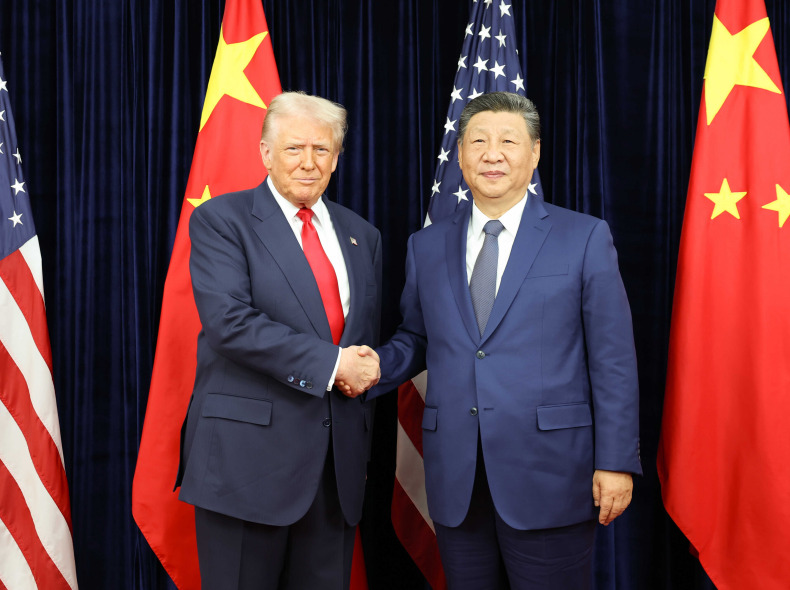
Photo: Official White House
THE PARTIES’ POSITIONS AHEAD OF THE MEETINGS
It is worth briefly recalling the reasons behind and dynamics of the trade confrontation, which prompted the parties to negotiations and search for ways to reduce tensions. The reason behind the trade conflict between China and the United States is the huge imbalance in bilateral trade in goods in China’s favor, which is growing exponentially every year. Last year, according to Chinese customs authorities, China's trade surplus with the United States exceeded half of the bilateral trade turnover of approximately $688 billion and reached a staggering almost $360 billion.
This situation, of course, cannot but worry US government officials, but the attempts being made to at least stop the negative trend have not been successful. During the election campaign, Trump, among a large number of promises, also spoke about being ready to balance US foreign trade, with trade deficit rapidly approaching the staggering $1 trillion by the end of 2024, amounting to more than $918 billion and growing faster than by $130 billion annually. Since the largest deficit is naturally formed in trade with the US first largest trading partner, China, it was China whom the new American administration targeted most aggressively.
However, Washington's April attempt to put pressure failed altogether - Beijing was not scared, neither did it request for negotiations, but instead responded with a set of own retaliatory measures, including tariffs on American goods, new export controls on several critical rare earth metals exported to the US, and blacklisting individual American companies. Washington was outraged and responded by increased tariffs, and the tariff spiral was rapidly accelerating until the United States had implemented a cumulative 145% tariff on some Chinese imports, while China's retaliatory tariffs on U.S. goods reached up to 125. There was no point in escalating trade war any further, because trade between the two economic giants had effectively stopped.
High tariffs on Chinese imports, however, along with other negative factors, quickly began to push up consumer prices in the United States. Something had to be done about it, and the Trump administration began signaling to its Chinese partners that it was willing to discuss trade issues. China as well was seeking negotiations as the halt in exports to its largest market had forced production shutdowns, and the prolonged shutdown of factories and plants threatened the authorities with public discontent.
Thus, a negotiating track emerged, which was launched by a May meeting between US and Chinese government working groups in Geneva. Then, they immediately agreed on a mutual pause in tariff war in order to unblock bilateral trade and prevent crisis scenarios.
After Geneva, there were several more rounds of consultations held, and the idea of a meeting between the leaders of the two countries arose. However, as the date of the top-level talks approached, Beijing and Washington began to strengthen their negotiating positions by increasing pressure on each other. In particular, the American side decided not to lift new port fees on Chinese merchant ships in U.S. ports announced back in April, although, given the ongoing trade negotiations, postponing the deadlines until after the end of the negotiation process would have looked more logical.
After it became clear that Chinese ships in American ports would have to pay, Beijing used its most powerful lever. On October 9, it announced the expansion of export control on selected critical rear earth metals, which are vital for technology and military equipment manufacturing, and effectively halted their deliveries to the United States. And on October 14, it introduced, synchronously with the United States, port fees on American ships in its ports.
This outraged Trump, and he, in turn, promised to increase the current tariff on Chinese goods by 100% from November 1. So, the parties were moving towards the leaders' meeting on the wave of escalating trade conflict, and ahead of the planned October 30 negotiations, there were even speculations that the meeting can be cancelled altogether.
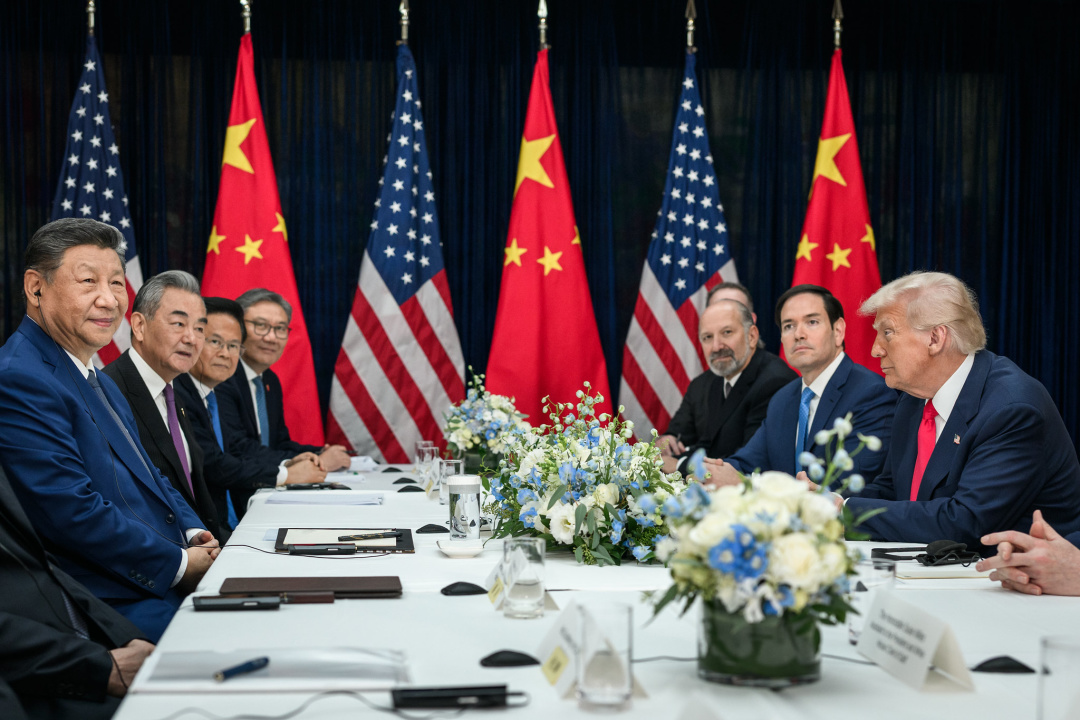
Photo: Official White House
NEGOTIATIONS AND AGREEMENTS
Yet, despite everything, the US president and the Chinese leader finally met, for the first time in six years. This was largely facilitated by productive trade consultations between US Treasury Secretary Scott Bessant and his Chinese counterpart, Vice Premier He Lifen, in Malaysia, a few days before the planned summit in South Korea.
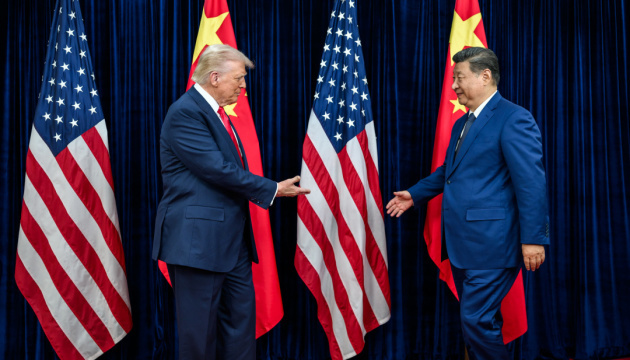
Analyzing the negotiations between the leaders of China and the US, experts immediately drew attention to how Trump greeted Xi in a friendly manner, shook his hand and, before the start of the negotiations, praised his Chinese counterpart in front of the cameras, calling him a “wonderful leader of a great country” and stating that the two countries would have a “fantastic relationship” that would last a long time.
The Chinese leader responded in kind, noting the US president’s efforts to resolve regional conflicts, in particular, Trump’s personal contribution to achieving a ceasefire in Gaza. After these exchanges of courtesies, substantive negotiations began behind closed doors, which lasted 1 hour and 40 minutes, after which the leaders of the United States and China said goodbye and left the location without speaking to reporters present.
President Trump was the first to tell reporters what was discussed at the negotiating table and, most importantly, what was agreed upon aboard his Air Force One plane on the way from South Korea to Washington. He described the meeting as "amazing" and rated the talks a "12 on a scale of one to 10," praising Xi Jinping as a "great leader".
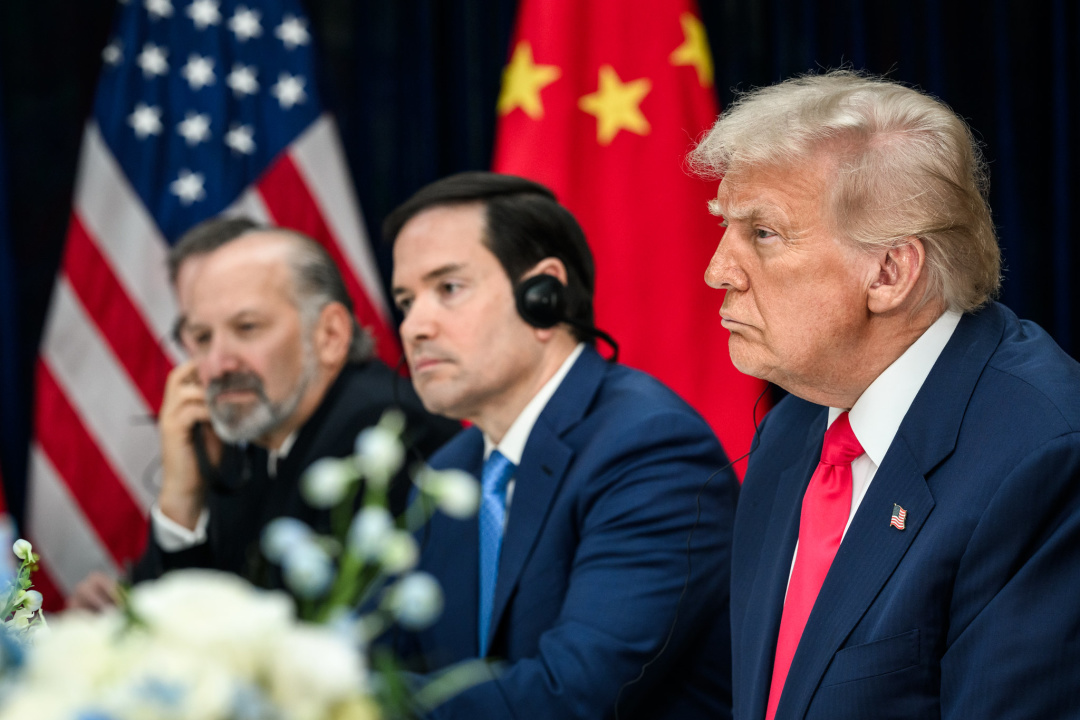
Donald Trump. Photo: Official White House
In particular, according to the American leader, whose words were later confirmed by Beijing, the parties concluded a trade agreement for a period of one year, which stipulates that the United States agreed to reduce tariffs on some Chinese goods. Trump also committed not to implement further planned 100% tariffs, to suspend the announced port fees on Chinese merchant ships, and to review the ban on the export of advanced chips to China, used primarily in artificial intelligence products.
The Chinese side, in turn, committed not to implement countermeasures to US tariffs, immediately resume "massive" purchases of U.S. agricultural products, including soybeans and sorghum, and to intensify efforts to curb the illegal trafficking of fentanyl (a dangerous synthetic drug that has caused numerous deaths among Americans) and its precursor chemicals into the U.S.
The parties additionally agreed to continue diplomatic efforts at the level of heads of state, and Trump announced he would visit China in April 2026, after which Xi would visit the United States, a plan confirmed by China's Ministry of Foreign Affairs. Official statements demonstrate that Beijing and Washington are both satisfied with the results achieved and with the future resumption of normal Sino-American trade.
However, a more detailed analysis of the agreements reached leads to a number of conclusions about significant shifts in the global economic landscape that will affect every country, including Ukraine.
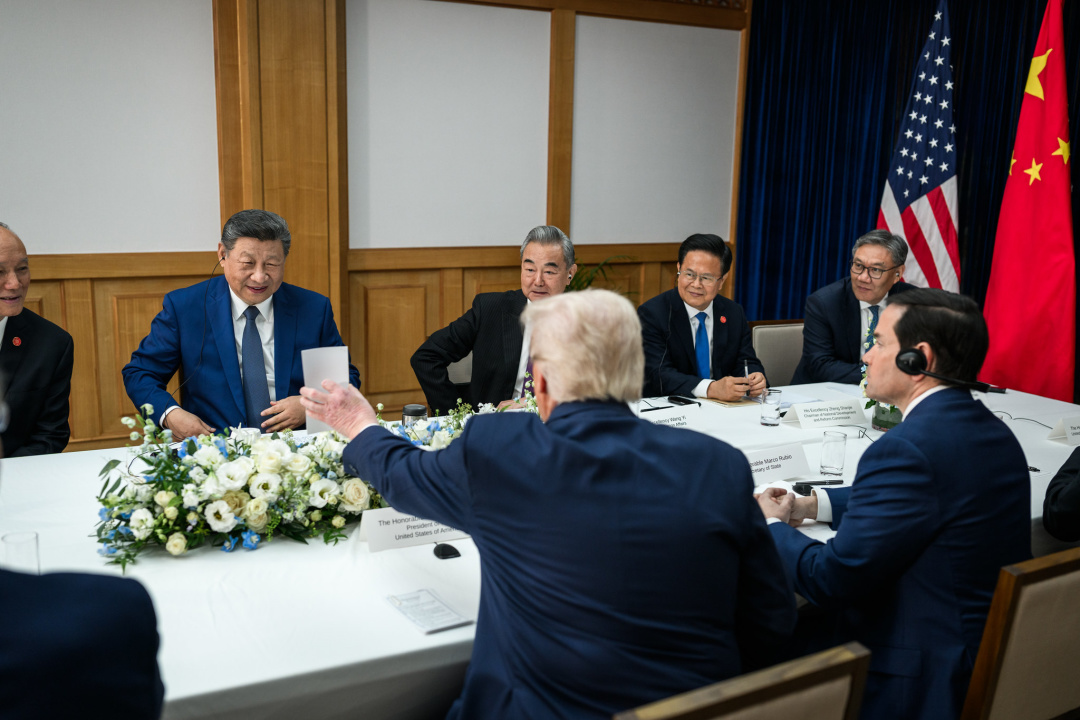
Photo: Official White House
A NEW POLE OF ECONOMIC POWER
First, it is safe to say that the era of US global economic dominance -- when it was enough for America to put just a little pressure to force other countries into changing their conduct -- is coming to an end. China has demonstrated being ready to become an alternative pole of economic power by refusing to accept US tariffs and resisting US pressure.
The past six months, since the Trump administration began in April its attempts to force China into playing by its own rules, have shown that China has leverage over the US, is capable of causing significant troubles for Americans, and is acting with strategic calculation. In particular, even before Trump’s inauguration, Beijing, anticipating tariff escalation, stopped purchasing US soybeans, the main US agricultural export product, and switched to importing from Brazil and Argentina.
American farmers, who exported more than $24.5 billion worth of soybeans in 2024, of which more than half went to China, suffered losses and put pressure on the US administration, demanding an agreement on the resumption of exports to China. Washington was forced to seek agreements with Beijing on this issue, offering concessions important to China in return.
The United States got even greater problems as a result of the Chinese government’s decision to impose export restrictions on rare earth minerals. By insisting on the priority of agreements on the resumption of exports, the US thus effectively recognized China’s global dominance in this critical industry and the effectiveness of using the rare earth minerals factor to counter US pressure now and in the future. That is, China’s actions were targeted at the most vulnerable points of the US economy, and this has worked out.
Secondly, an analysis of the agreements reveals that China has managed to get more practical dividends from Xi’s meeting with Trump than did the United States. The US side agreed to significantly reduce tariffs on Chinese goods, suspend port fees on Chinese merchant ships in US ports for at least a year, and review the ban on the export of AI chips to China. That is, it has canceled most of the measures it had introduced against Beijing to eliminate trade imbalances and achieve trade advantages.
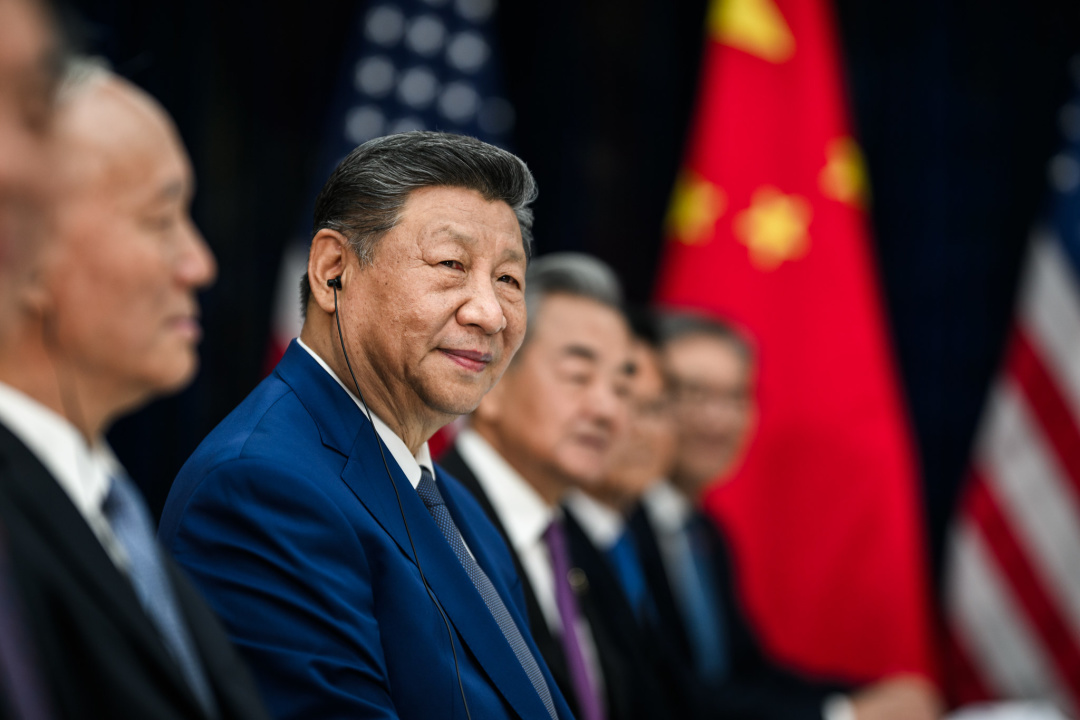
Xi Jinping. Photo: Official White House
Instead, the Chinese side has canceled its retaliatory measures, returning the situation to where it was before the tariff war escalated, and backed down only on the issue of export controls on rare earth minerals for the United States. Beijing’s other commitments regarding the curb of the illegal trafficking of fentanyl and its precursor chemicals into the U.S or the resumption of soybean imports from the United States are not new and have already taken place in Sino-American relations.
Another effective step by the Chinese was to remove problematic issues from the negotiations agenda in Korea, on which the United States and China are unlikely to ever come to terms. These include Taiwan, the territorial disputes the People’s Republic of China has in the South China and East China Seas with the US allies Philippines and Japan, and human rights violations in the PRC among others. Make no mistake that the distancing from thorny topics was initiated by the Chinese side, and the Americans readily agreed, because these issues are of no interest to Trump. However, this step made it possible to narrow the range of discussions down to bilateral trade issues and deprive the US delegation of additional arguments in their effort to beat out concessions from China.
Although, perhaps, the absence of the Taiwan issue from the agenda is not the worst option, given President Trump’s apparent reluctance to confirm being committed to defend the island against a potential military attack from China, which gave rise to disturbing rumors that Taiwan may be exchanged for trade preferences from China. However, such fears did not come true, at least, this time.
Basically, we can praise the good preparatory work and the effective tactics chosen by the Chinese delegation for negotiations with a difficult opponent such as Trump. This, without a doubt, was largely facilitated by the Russian experience of negotiating with the American president, which Moscow had shared with Beijing.
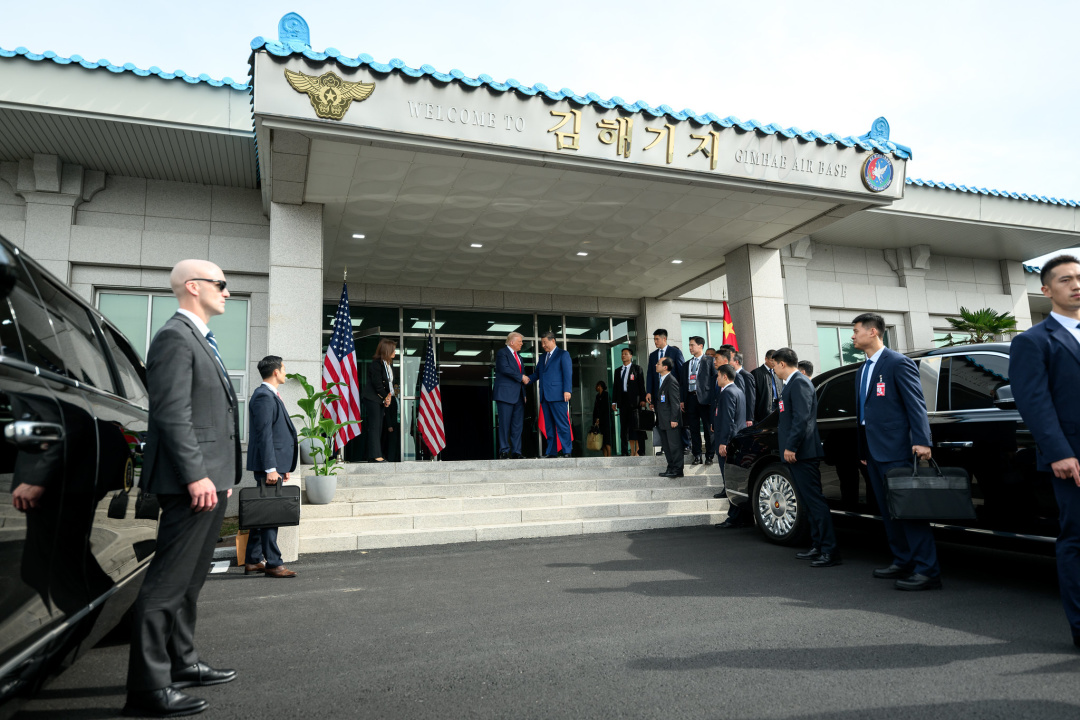
Photo: Official White House
UKRAINE AND RUSSIA’S WAR
The Russian war against Ukraine, according to the US president, also came under discussion during the Busan talks and was devoted considerable attention. The Chinese leader promised to help end the war as soon as possible, but it is unlikely that anyone in Ukraine has any illusions about Beijing. Moreover, the Chinese, in their reports on the leaders’ talks, made no mention of Xi discussing the war in Ukraine with Trump.
Indeed, the Chinese government has never publicly refused to cooperate with other countries to resolve the Russo-Ukrainian conflict through a political settlement, but this never got beyond statements. This could be explained by Beijing’s cynical pragmatic approach to the war, in which China is one of the biggest beneficiaries as the continuation of Russian aggression is even more beneficial for it than its end.
For China, the war in Ukraine is somewhere very far away, on the periphery of China's interests, and it does not directly cause pain or losses to the Chinese. Instead, it depletes the resources of the warring parties and Ukraine's partner countries on the one hand, and those of Russia, its arch-strategic partner who is forced to become increasingly dependent on economic support from its large eastern neighbor on the other. In the meanwhile, China has a sizeable economic benefit by buying Russian raw materials at significantly discounted prices and directing the flow of its goods to the completely scarce Russian market.
China also benefits politically. By avoiding active efforts to end the war, Beijing has set an example to follow by many countries of the Global South that would like to continue doing business with the Russians and not quarrel with the Americans and Europeans at the same time. Such countries began to get closer to China, recognizing its leadership position, and with the Trump administration coming to power in the United States of America, the process of consolidation around China has only gained momentum.
Therefore, the Ukrainians can consider it a positive result that the current status quo in China's position on the war has been maintained as Beijing does not provide direct military assistance to Moscow and criticizes anti-Russian sanctions, while at the same time honoring most of them. It is essential that China remain interested in trade and economic relations with the United States, making them be more attentive to American restrictions against Russia in order to maintain access to the US market.
Summing up the Korean talks between the leaders of China and the United States, we can state that these two countries have agreed on a tactical pause in their trade conflict, a temporary truce, which they will try to use to eliminate weaknesses in their positions in anticipation of the next round of confrontation, which will inevitably come.
Volodymyr Sydorenko, Beijing
Headline photo: Official White House