Expert on Ukraine’s power system after Russian strikes: Situation severe but not critical
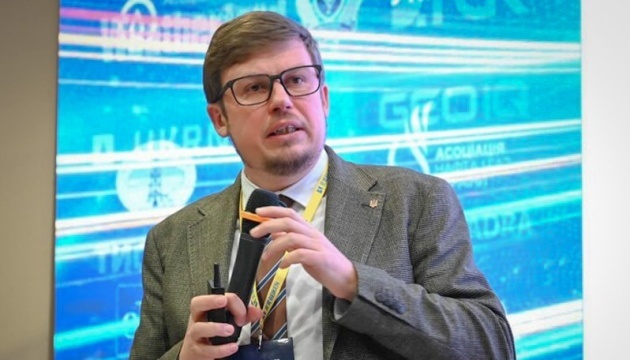
Stanislav Ignatiev, Chairman of the Council of the Ukrainian Renewable Energy Association, told Ukrinform that the situation remains most challenging in Kyiv and the Kyiv region.
“Power supply to the capital region depends 75–80% on the Rivne Nuclear Power Plant. The enemy is trying to cut Kyiv off from its main source of electricity by striking distribution stations and simultaneously targeting Kyiv’s CHP‑5 and CHP‑6),” the expert noted.
Ignatiev stressed that the cold weather has significantly worsened the situation. Electricity consumption rose by an average of 6.8–7 GWh during peak periods, nearly half of total demand.
“This deficit could not be covered by domestic generation. Imports compensated only about 2.3 GWh, so to balance the system, 5–7 stages of restrictions for household consumers were introduced simultaneously,” he explained.
He reminded that repairs to energy facilities damaged by Russia’s large-scale strikes in 2022–2023 are still ongoing. Restoring thermal power plants is a lengthy process due to equipment shortages and complexity.
“Steam boilers and combined‑cycle turbines take a long time to manufacture. Some must be purchased from European partners, and delivery of a single transformer from Austria or Germany can take up to four months,” Ignatiev said.
He added that consumers will feel the full results of repairs at Kyiv’s CHP‑5 and CHP‑6 only in the next heating season, as full generation capacity cannot be restored before March this year.
“Currently, Kyiv is using emergency heating schemes. Homes will receive heat, but with certain limitations — not in the same volumes or pressure as before,” he clarified.
According to Ignatiev, Ukraine’s power system is in a severe but not critical condition, and electricity shortages will persist for at least 3–5 years. “We must get used to living in a country of generators,” he emphasized.
Photo credit: Stanislav Ignatiev / Facebook