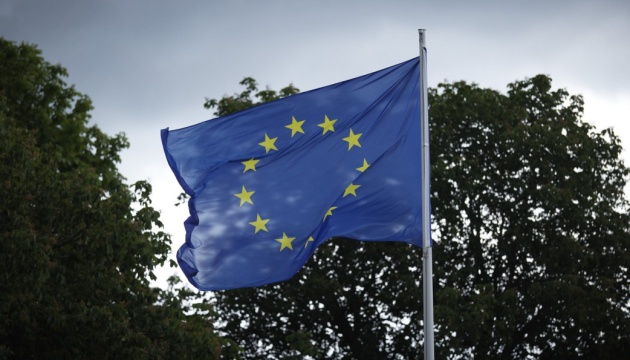
EU backs indefinite freeze of Russian assets
This was reported by Euractiv, according to Ukrinform.
The decision was adopted one day after Belgium’s Prime Minister Bart De Wever publicly questioned the legality of the European Commission’s proposal to permanently freeze Moscow’s funds based on an emergency (Article 122 of the Treaty on the Functioning of the European Union).
Use of Article 122, formally proposed by the European Commission last week, is crucial to preventing the return of Russia’s assets if sanctions against the Kremlin are lifted — a scenario that could oblige Belgium to repay Moscow hundreds of billions of euros should the loan be issued. The Euroclear depository holds the vast majority of the assets.
Currently, sanctions on these assets must be unanimously renewed by EU capitals every six months. Hungary’s leader, Viktor Orbán, has repeatedly threatened to block the renewal of sanctions but has ultimately backed down.
One European diplomat stated that the overwhelming majority of EU member states supported the decision adopted on Thursday. Another diplomat said that Hungary and Slovakia are likely to vote against the proposal when EU countries formally adopt the decision on Friday. Belgium is expected to abstain, the diplomats added.
In a statement, the Hungarian government condemned what it called the “unfortunate precedent” set by the vote.
This step marks "a symbolic and substantial shift from the Treaty-based EU legal order to an uncharted territory", Budapest said, adding that it also carries the risk of derailing current negotiations on ending the war in Ukraine.
A third diplomat noted that Belgium has not yet disclosed its final position on the assets to other EU member states.
EU ambassadors will continue discussions on the loan on Friday and Sunday. Formal voting on the asset freeze will take place at 17:00 Brussels time on Friday, according to a spokesperson for the Danish Presidency of the Council.
Despite Thursday’s decision, Belgium remains opposed to the loan scheme, which is supported by the overwhelming majority of other member states.
On Wednesday, De Wever told Belgium’s federal parliament that there were many objections regarding the legality of using Article 122. "This article is about a state of emergency,” he said. “Where is the emergency? There is an emergency in Ukraine. But Ukraine is not in the EU", he said.
On Thursday, when EU Economy Commissioner Valdis Dombrovskis was asked about Belgium’s legal concerns regarding the application of Article 122, he responded: "We are confident that the justification for economic damages to trigger this provision of the treaty has been met above and beyond what is required."
As reported by Ukrinform, EU leaders are expected to take a final decision on Ukraine financing for 2026–2027 during the December 18 summit. Discussions continue regarding the structure of the funding, while the European Commission is promoting the reparations loan as the most effective option.
Photo: Office of the President