Kremlin analysts publicly acknowledge deep problems in Russia’s banking system – CCD
Ukrinform reports this with reference to the Center for Countering Disinformation (CCD).
According to the Center for Macroeconomic Analysis and Short-Term Forecasting, the volume of “bad” household loans has already reached 2.3 trillion rubles (approximately $27 billion), having increased 1.6 times in just nine months, the CCD notes.
More than 2.4 trillion rubles (approximately $28.2 billion) worth of loans have been forcibly restructured — a mechanism that allows banks to conceal the real level of non-payments. The quality of mortgages and consumer loans issued at high interest rates in 2023–2024 is deteriorating. In the corporate sector, one in five loans to small and medium-sized businesses requires revision due to declining revenues.
The problems affect both businesses and the population: companies are losing profits due to reduced exports, and citizens face falling real incomes and rising debt burdens. This indicates a systemic deterioration of Russia’s economic situation amid the war and sanctions.
According to the CCD, this data shows that Russia’s financial stability is worsening even by the assessments of its own economic centers. The accumulation of “bad” debt is a direct result of wartime spending and Kremlin policies that continue to deplete the economy.
As reported earlier by Ukrinform, Russia’s metallurgical industry is declining due to export restrictions, high interest rates, and competition from Chinese manufacturers flooding the market with cheap products.
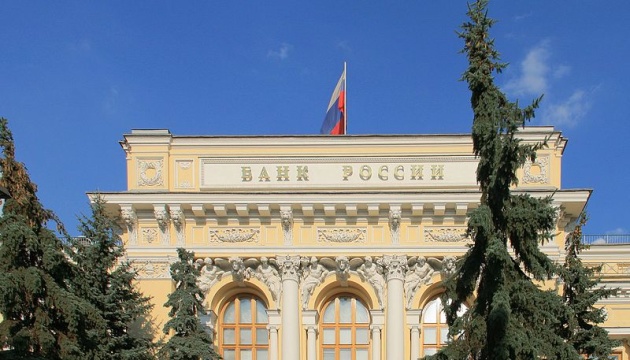
Photo: wikipedia.org