Spyware detected on phone of journalist previously interrogated by Belarusian KGB
RSF reported this, according to Ukrinform.
As noted, prior to the interrogation at the KGB, the journalist was asked to place their smartphone in a locker. During the interrogation, the individual was required to show a KGB officer the contents of the device and unlock the phone in the officer’s presence. The device was then returned to the locker. The journalist believes that KGB officers observed the PIN code being entered and, while the interrogation was ongoing, retrieved the smartphone from the locker and installed the spyware.
Several days later, antivirus software on the device detected suspicious components, prompting the journalist to contact RESIDENT.NGO, which conducted a technical analysis.
According to the experts’ findings, ResidentBat allows access to sensitive data on the phone, including call logs, microphone and screen recordings, SMS messages, locally stored files, and more. The spyware disguises itself as a regular application. Unlike well-known spyware such as Pegasus, this malware is installed after security service officers obtain physical access to the device. Reporters Without Borders advocates for an international ban on such invasive technologies.
This also shows that the Belarusian government will stop at nothing to silence its critics. Thirty-three journalists are imprisoned, hundreds have been forced to leave the country, and those journalists and opposition figures who remain are subjected to years of surveillance, said RSF Executive Director Anja Osterhaus.
According to RSF’s assessment, this spyware has likely been used by the Belarusian KGB for at least four years.
At the same time, it remains unclear who developed ResidentBat. There are indications that it may be a product not intended exclusively for use in Belarus or that it originates from a third party. RSF recalled that independent journalism is being suppressed in Belarus. Belarusian media workers face censorship, intimidation, violence, and arbitrary arrests. Currently, 33 journalists are imprisoned, and reports of torture are increasing.
As reported, on December 13, Aleksandr Lukashenko released 123 political prisoners, including journalist Marina Zolotova.
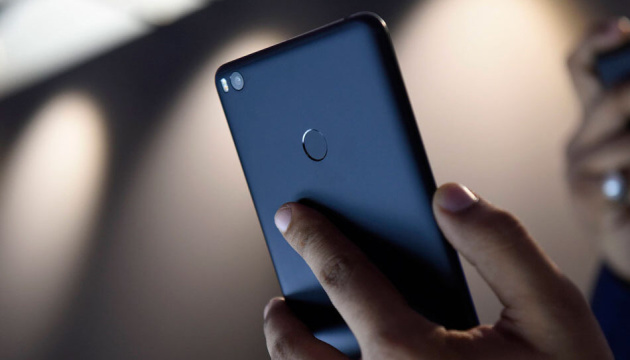
Photo: pixabay.com, illustrative