
Amongst the multiple United Nations departments, one stands out with its name: “of Political Affairs and Peacebuilding.” Its head and Under-Secretary-General is Rosemary DiCarlo, an American diplomat who has worked in Moscow, Oslo, and the US mission to the UN.
Ms. DiCarlo supports peace efforts and assists member states in holding elections. In her reports to other countries, she emphasizes the harm and suffering that Russia is causing to Ukrainian civilians. During her third visit to Kyiv, Ukrinform spoke with the UN Under-Secretary-General about the role of her Department in Ukraine’s peace efforts, whether the UN is achieving its peacebuilding mission, and how conflicts have changed since the Cold War.
THE SECRETARY-GENERAL CLEAR IN CALLING FOR FULL, IMMEDIATE, UNCONDITIONAL CEASEFIRE
– Madam Under-Secretary-General, could you share the details of your visit to Ukraine? What have you managed to achieve? Who have you met?
– I am here first and foremost to demonstrate the steadfast support and full solidarity of the United Nations with the people and the government of Ukraine in a particularly difficult moment when we are moving on four years after Russia's full-scale invasion.
We are not strangers to Ukraine. The Secretary-General has visited three times since the invasion. This is my fourth visit as well: I have visited twice since the full-scale invasion and once in 2019. This demonstrates how important it is for the United Nations to support the Ukrainian people. We want to strengthen our relationships – especially in my Department of Political and Peacebuilding Affairs.
I am also attending the 4th International Summit on Food Security “Food from Ukraine”.
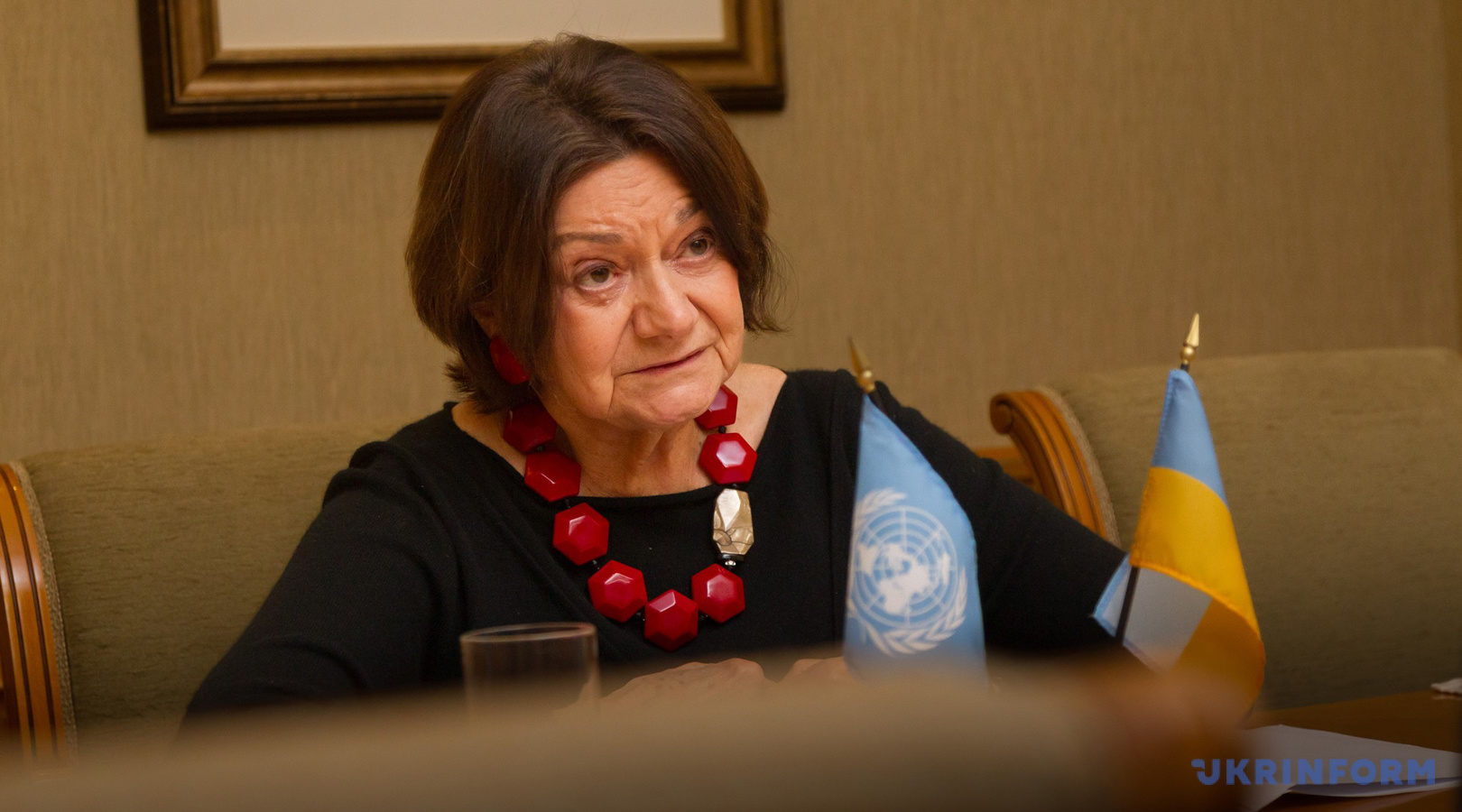
– As Donald Trump became the president of the United States, he has been trying to revitalize the negotiation between Ukraine and Russia. To what extent has the DPPA been involved in this peace process?
– We have not been directly involved in the peace process. We directly support Ukraine throughout this difficult period. We frequently report to the UN Security Council on what is happening in Ukraine, trying to ensure the latest information to explain the suffering that the people of Ukraine have endured.
We are also engaged in a range of issues in terms of supporting people on the humanitarian side like negotiations on POWs in the past.
We remain committed to providing our full support to end this war. The Secretary-General has been clear in calling for a full, immediate, and unconditional ceasefire.
– Does UN Secretary-General and his office know that the Russians in Ukraine do not let UN cars to enter the occupied territories to support Ukrainians?
– Yes, he is certainly aware. The Secretary-General and the Security Council are certainly aware. We have made it very clear in our briefings about our inability to reach people in the occupied territories, many of whom are desperately in need of humanitarian aid and support.
IMPORTANT TO RESPECT UKRAINE’S SOVEREIGNTY AND TERRITORIAL INTEGRITY
– How do you think, Madam Under-Secretary-General, the Russian war against Ukraine should end?
– We believe it is really important that the sovereignty and territorial integrity of Ukraine within its internationally recognized borders be respected. There must be a just peace. And we want to see that Ukraine is able to move forward in full control of its territory.
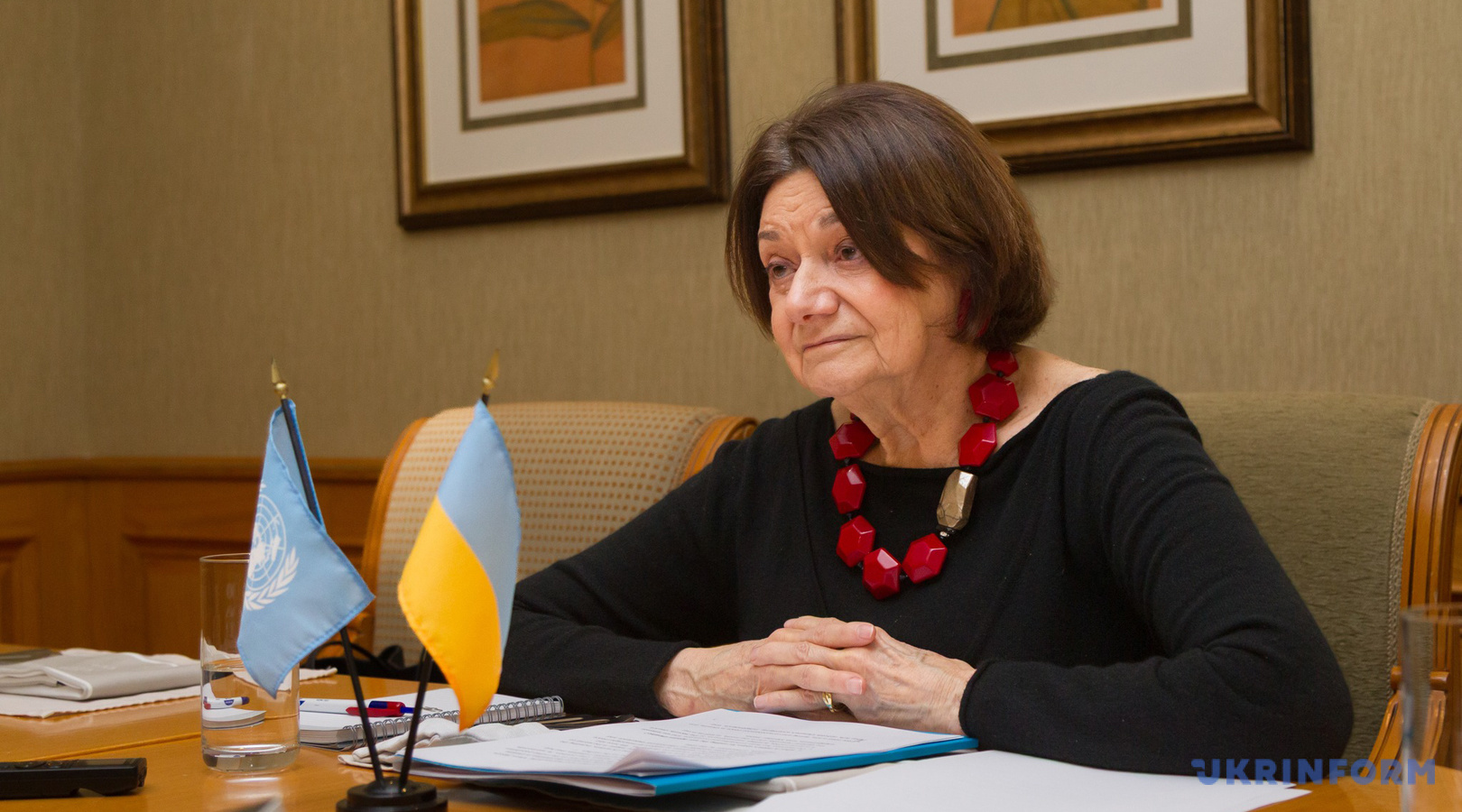
– But, unfortunately, none of the current peace initiatives assume that Ukraine will restore its full territorial integrity. What is your view on the armistice on the current front line?
– This is up to the people of Ukraine and its government to decide, not for the UN Secretariat or the Secretary-General. We just want to be as supportive as possible.
The DPPA has observed the meetings on the peace formula over the years. We have been supportive of Ukraine and a multitude of initiatives, particularly POWs exchange and the return of children.
– Do you see a threat in the future if the international world order is not restored without the restoration of Ukrainian borders and Russian accountability?
– We need to see a peace that is based on international law. This principle is important, but it is clear that peace needs to come to Ukraine.
CONFLICTS GETTING MORE COMPLEX AND SPREAD THROUGHOUT THEIR REGION
– Russia is one violator of international law and the UN Charter. However, it still enjoys the veto right in the Security Council. Many Russians hold their offices at the UN bodies. Do you see this as an obstacle to your peacebuilding goal?
– Any changes would have to be based on the positions of the entire membership of the Security Council. I personally could not predict any major changes in the near future.
Even during the Cold War, the United Nations was able to pursue many peace initiatives with the support of the states, including the permanent five members of the Council. I think we need to move to those circumstances once again.
– How does the DPPA work when there are a multitude of conflicts around the world? Do you feel that your focus is being spread too thin?
– More often these days, we support peace efforts led by others. For example, we have been heavily involved in efforts to bring peace to Sudan. We are not there yet, but we will continue to try.
Conflicts are more complex than they were. They start between two countries and then spread throughout their region. More actors join in, making them increasingly difficult to resolve. There are many other problems, such as the development of weapons systems.
Even during the Cold War, we could solve conflicts more quickly than we do today. The context is very difficult. The international community is more divided on a range of issues than in the immediate post-Cold War period.
I cannot say we are spread too thin. We must support efforts to bring peace when we are asked to.
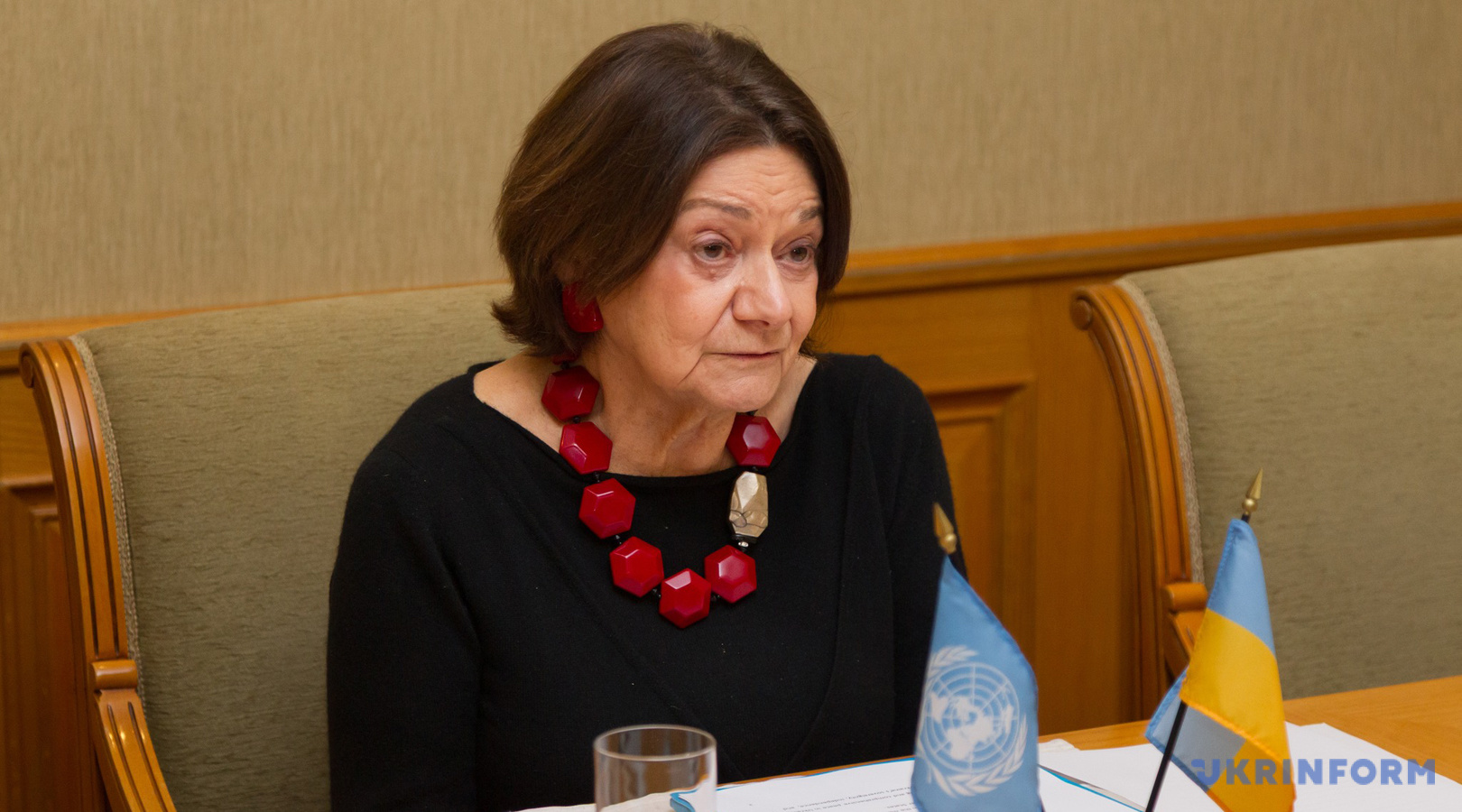
GREATER FOCUS ON PREVENTION OF CONFLICTS NEEDED
– In your opinion, are the current global conflicts becoming more frequent? Do you think the DPPA is approaching its peacebuilding goal?
– It makes it more difficult to resolve for us. We have many issues that impact conflicts, like the increased sophistication of weaponry.
It is becoming more difficult for us, but that does not mean that we are not achieving our goals.
We need to cooperate with many parties. In Sudan, for example, you have the African Union, the League of Arab States, the Intergovernmental Authority on Development (IGAD), the UN, and various member states all trying to resolve the issue. We need greater unity among our efforts.
– What do you prepare for in the future: the growth around the world and escalation of wars, or a global decline in tensions?
– We have to work towards decreasing tensions. A year ago, the UN General Assembly adopted the Pact for the Future, which makes clear there should be a greater focus on prevention of conflicts. We need resources to do it and, most importantly, political support.
I mean getting in early to diffuse tensions, so that it does not escalate into an armed conflict between two parties within a country or to provoke a regional war.
Ivan Kosiakin, Kyiv
Photo by: Kyrylo Chubotin, Ukrinform
Photo by: Kyrylo Chubotin, Ukrinform