Kyiv residents should keep three-day water supply due to risk of new Russian attacks – expert
Stanislav Ihnatiev, head of the board of the Ukrainian Renewable Energy Association, said this in a comment to Ukrinform.
"There is no major threat at the moment, but people should have enough utility water for at least three days, as well as drinking water, to ensure their basic needs are met if the enemy attempts to cut off the capital's water supply," he said.
The expert noted that a recent attempted strike on a wastewater treatment facility near Bortnychi did not have critical consequences for either Kyiv or the Dnipro River. However, he said Russian forces continue trying to disable Ukraine's energy system and water supply infrastructure.
"The enemy is trying to strike our energy system and is also attempting to cut power to the capital's water supply and treatment systems, or even destroy water intake facilities altogether," Ihnatiev said.
According to him, the city's water intake system currently has sufficient redundancy, allowing it to be restored relatively quickly if damaged.
"The situation regarding potential damage to water intake facilities is not particularly critical because these systems have multiple backup components. There are always alternative options for restoring operations," the expert explained.
Ihnatiev also warned that Russia is likely to intensify attacks on Ukraine's energy infrastructure ahead of the heating season.
"Before winter, the enemy will try to strike in order to disrupt stable heat supply. In Kyiv, it will once again likely target CHP-5 and CHP-6," he said.
At the same time, the expert believes Ukraine is unlikely to face a significant electricity shortage before the heating season begins, provided there are no large-scale Russian attacks.
"This autumn, if there are no major strikes, we should not experience an electricity deficit. However, once the new heating season begins, energy shortages may emerge, along with increased risks associated with attacks on our energy infrastructure," Ihnatiev said.
He added that electrical substations and the open switchyards of nuclear power plants are likely to remain among Russia's primary targets, as disrupting them would complicate electricity transmission to consumers.
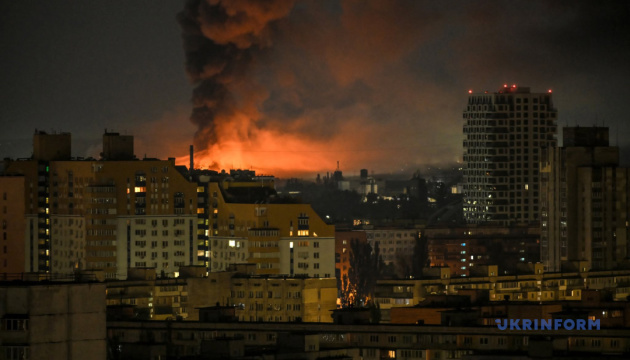
During the overnight Russian attack on August 5, Ukrainian industrial facilities, manufacturing sites, commercial enterprises, and logistics hubs came under fire, leaving people killed and injured.
Photo: unsplash.com