Srebrenica Memorial Center to expand cooperation with Ukraine on war crimes documentation
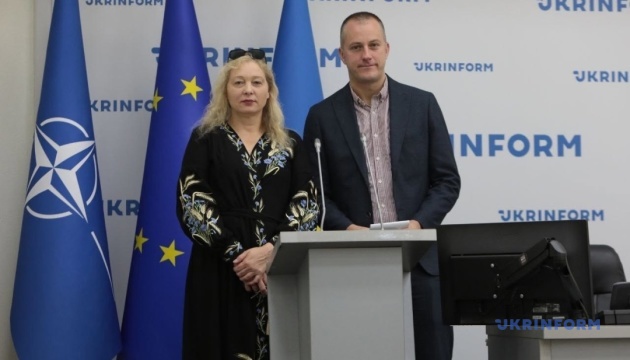
Nedim Jahić, the Memorial Center’s adviser for program and initiative development, reported this, according to Ukrinform.
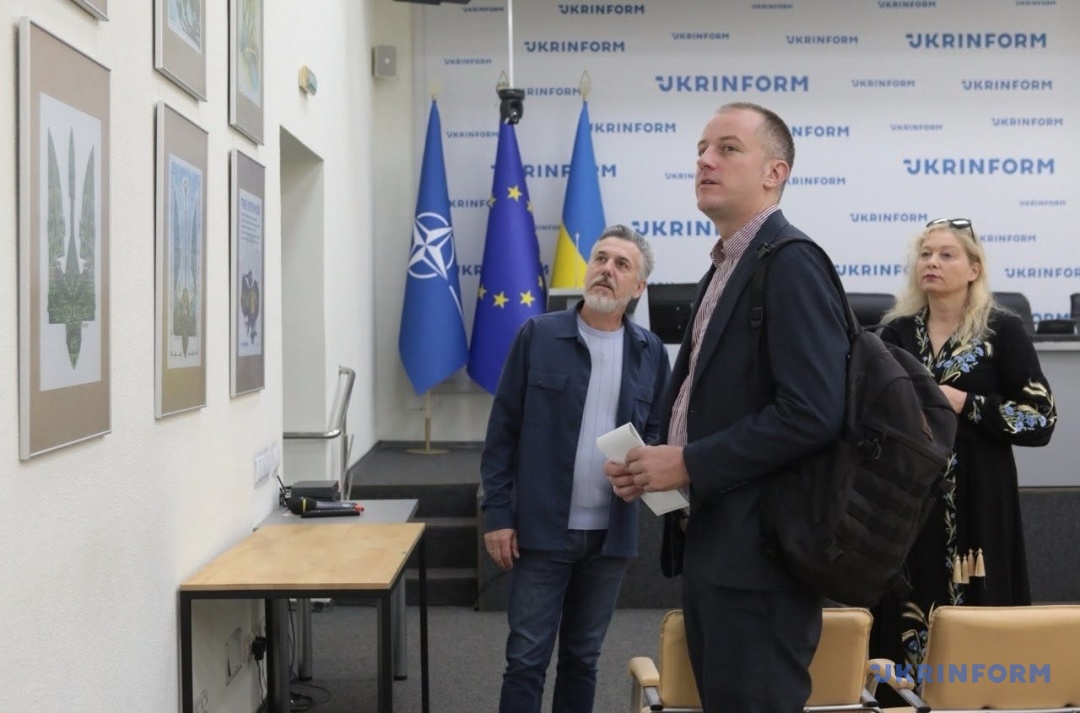
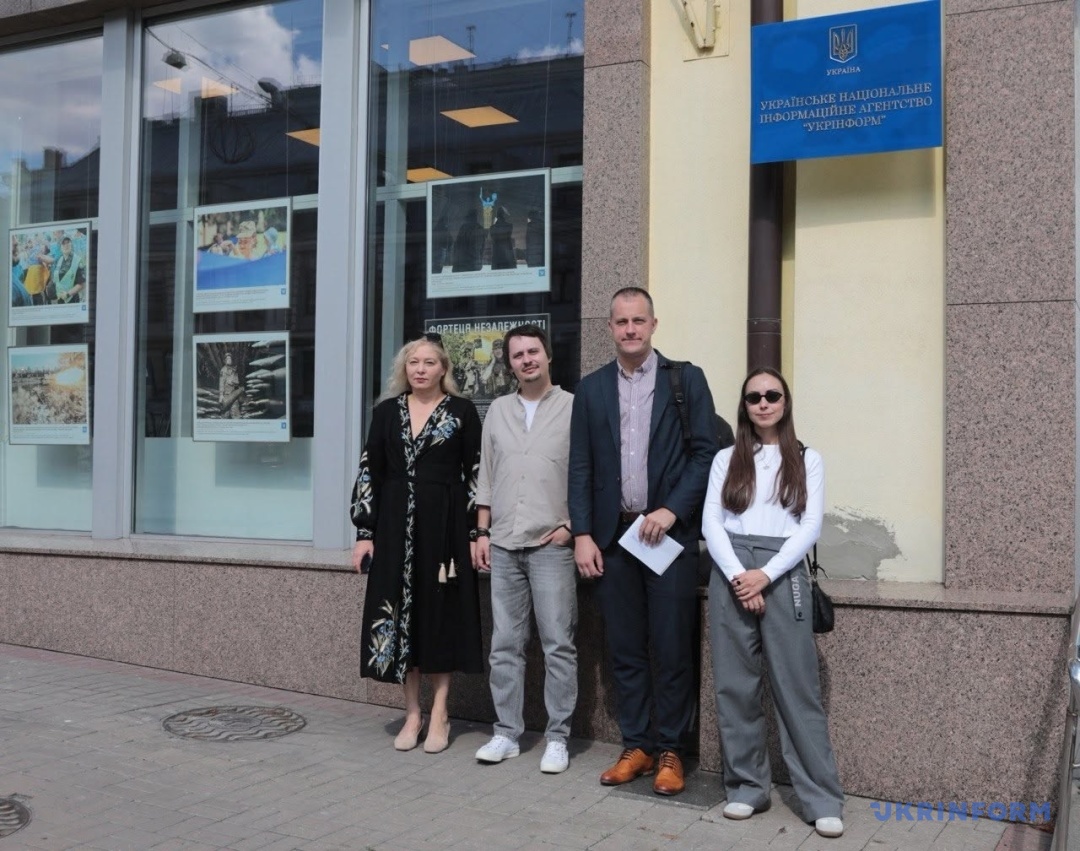
As part of the visit, representatives of the Memorial Center met with the Office of the Ukrainian Parliament Commissioner for Human Rights, the ZMINA Human Rights Center, Vshanui, the Media Initiative for Human Rights, Truth Hounds and the Center for Civil Liberties.
They also held meetings with representatives of the Ukrainian Institute of National Memory, the National Museum of the Holodomor-Genocide, the Babyn Yar Holocaust Memorial Center and the National Museum of the History of Ukraine in the Second World War.
Particular attention was paid to Bosnia and Herzegovina’s experience in prosecuting war crimes in national courts, as the country has developed substantial judicial practice in similar cases over more than two decades and accumulated a large body of court rulings and other documents.
One of the main outcomes of the visit will be increased cooperation between Ukrainian partners and state institutions, judicial and law enforcement bodies, experts and organizations in Bosnia and Herzegovina, coordinated by the Memorial Center.
Professional and educational exchanges between specialists from Ukraine and Bosnia and Herzegovina are also planned. This will allow Ukrainian specialists to learn about the experience of the Srebrenica Memorial Center and other institutions, while Bosnian specialists will be able to learn from Ukraine’s current experience.
“The aim of future cooperation is to ensure that the judicial practice and experience of both the International Criminal Tribunal for the former Yugoslavia and Bosnia and Herzegovina’s national judicial system become more systematically accessible to institutions, researchers, civil society organizations and journalists in Ukraine,” said Jahić, who headed the visit.
Another important outcome of the visit was the launch of discussions on closer cooperation between journalists and media organizations in Ukraine, Bosnia and Herzegovina and other Western Balkan countries. During meetings with the Ukrainian National News Agency Ukrinform and organizations producing research and documentary materials, participants discussed expanding media cooperation and ensuring that journalists in Western Balkan countries have access to verified information, documentation, experts and sources in Ukraine.
Another area of cooperation will focus on informing the public about war crimes committed during Russia’s invasion of Ukraine, the experiences of victims and their families, the work of organizations documenting the crimes, and efforts to establish individual criminal responsibility.
At the same time, the parties plan to facilitate Ukrainian journalists’ and researchers’ access to relevant institutions, archives, experts and sources in Bosnia and Herzegovina on war crimes, transitional justice, missing persons, return and reintegration, memorialization and the experience of post-war society.
In the longer term, the initiative envisions developing a media network based on direct communication between journalists, exchanging contacts and verified sources, jointly producing materials, and building links between media outlets and institutions holding relevant documentation.
“It is important to us that this visit does not remain at the level of individual meetings. The Memorial Center can bring together people and institutions in the two countries that perform very similar work – from justice and work with families of missing persons to museums, archives, human rights organizations and media. The next step should be the exchange of people, knowledge, data and specific programs,” Jahić said.
As reported by Ukrinform, in May 2024, the UN General Assembly adopted a resolution establishing an annual day of remembrance for the victims of the Srebrenica genocide, despite opposition from Serbia and Russia.