
April 30 marks Border Guard Day—another wartime anniversary, when many critical issues remain classified. On the eve of the date, a Ukrinform correspondent spoke with Andrii Demchenko, Assistant to the Head of the State Border Guard Service of Ukraine and the agency’s spokesperson, about the situation at the front, the role of border guard combat units, and efforts to counter criminal groups and individuals attempting to flee the country. They also addressed sensitive issues, including corruption within the agency and measures to combat it—alongside the daily, often unheralded work of border guards on the front line.
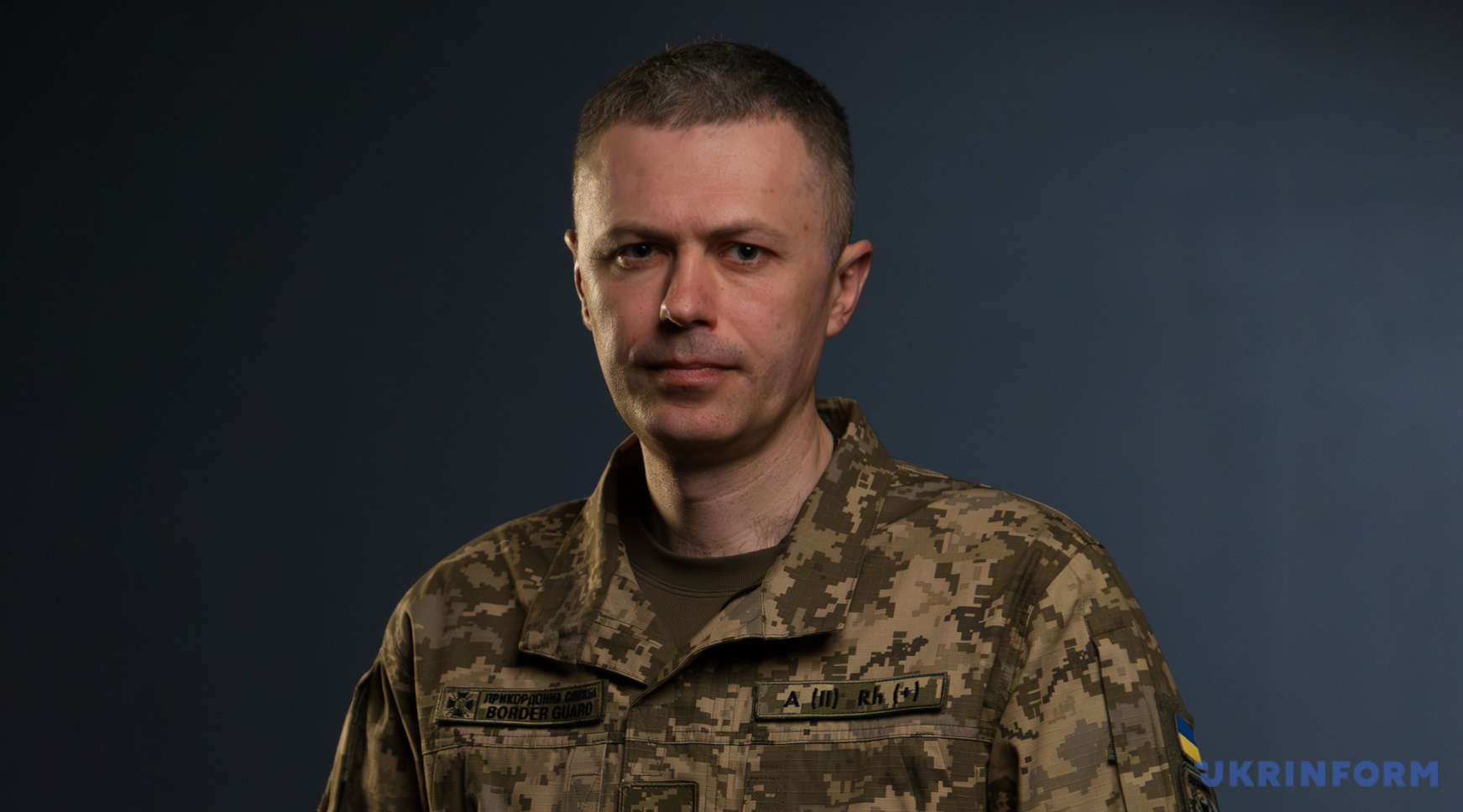
Ukrinform: Mr. Demchenko, let’s begin with the situation at the front. What is currently happening along the Russian-Ukrainian and Belarusian borders? Where is the enemy most active, and are there signs of troop buildup in certain areas, particularly in the Chernihiv region?
Andrii Demchenko: I’ll start with some encouraging figures: over four years of the full-scale war, border guards have neutralized 43,000 occupiers—killed and wounded. More than 20,000 pieces of enemy military equipment and 40,000 unmanned aerial vehicles have been destroyed, including 2,000 Shahed drones. But behind these dry statistics lies the immense effort—and the lives—of border guards.
The border with Russia is, in effect, a front line. In some sectors, active combat is ongoing; in others, there is no infantry activity. Still, the enemy has not abandoned its intent to expand its zone of control along the border. So far, however, it has failed to achieve any significant gains.
At present, the enemy is most active in the Sumy and Kharkiv regions. Along these axes, Russian forces are regrouping and attempting to replenish heavy losses. Any attempt to advance comes at a high cost—dozens killed and wounded every day.
At the same time, the enemy is not currently deploying armored vehicles. This may indicate a shortage, an understanding that such equipment would be destroyed before reaching the border, or an attempt to preserve it for future operations when conditions are more favorable.
Meanwhile, in the Chernihiv region, there have been no recorded attempts by enemy infantry groups to cross the border. Nor is there any observable buildup of Russian forces in that sector. Notably, part of the personnel stationed opposite Chernihiv consists of conscripts.
Since the beginning of this year alone, the enemy has carried out more than 25,000 strikes on border guard units—most of them using UAVs.
UI: There is growing concern about the situation along the Belarusian border, particularly following Lukashenko’s recent statements.
AD: Ukrainian border guards are not observing any movement of equipment or troop concentrations on Belarusian territory near our border.
There is no buildup. Since 2022, Belarus has maintained units along certain axes, citing internal security needs and alleged concerns about possible actions from Ukraine—despite the fact that Ukraine has never posed, nor intends to pose, a threat to Belarus. These are the same units that have been stationed there previously. While they rotate and reposition, their numbers have not increased.
Likewise, no equipment movements have been detected near the border. At one stage, Belarus announced the creation of a Southern Operational Command along the Ukrainian border as part of an information influence campaign. Within this framework, infrastructure such as positions, training grounds, and access routes may be developed.
Developments in Belarus are under constant surveillance by intelligence units, the Ministry of Defense, and the State Border Guard Service to ensure a rapid response to any potential threats.
At present, Russia does not maintain significant forces in Belarus, including infantry units capable of launching a renewed invasion from that direction.
At the same time, the risk of provocations cannot be ruled out—particularly attempts to divert Ukrainian forces from more critical fronts. Russia could also redeploy forces to Belarus at short notice and leverage its infrastructure. There may be ongoing pressure on Belarus to expand its support for Russia’s war against Ukraine.
Accordingly, the situation remains under close watch. Ukraine is prepared to respond to any developments originating from Belarusian territory and continues to reinforce this sector.
The build-up of engineering fortifications along the Belarusian border is ongoing, with defensive positions being strengthened across all bordering regions—Volyn, Rivne, Zhytomyr, Kyiv, and Chernihiv.
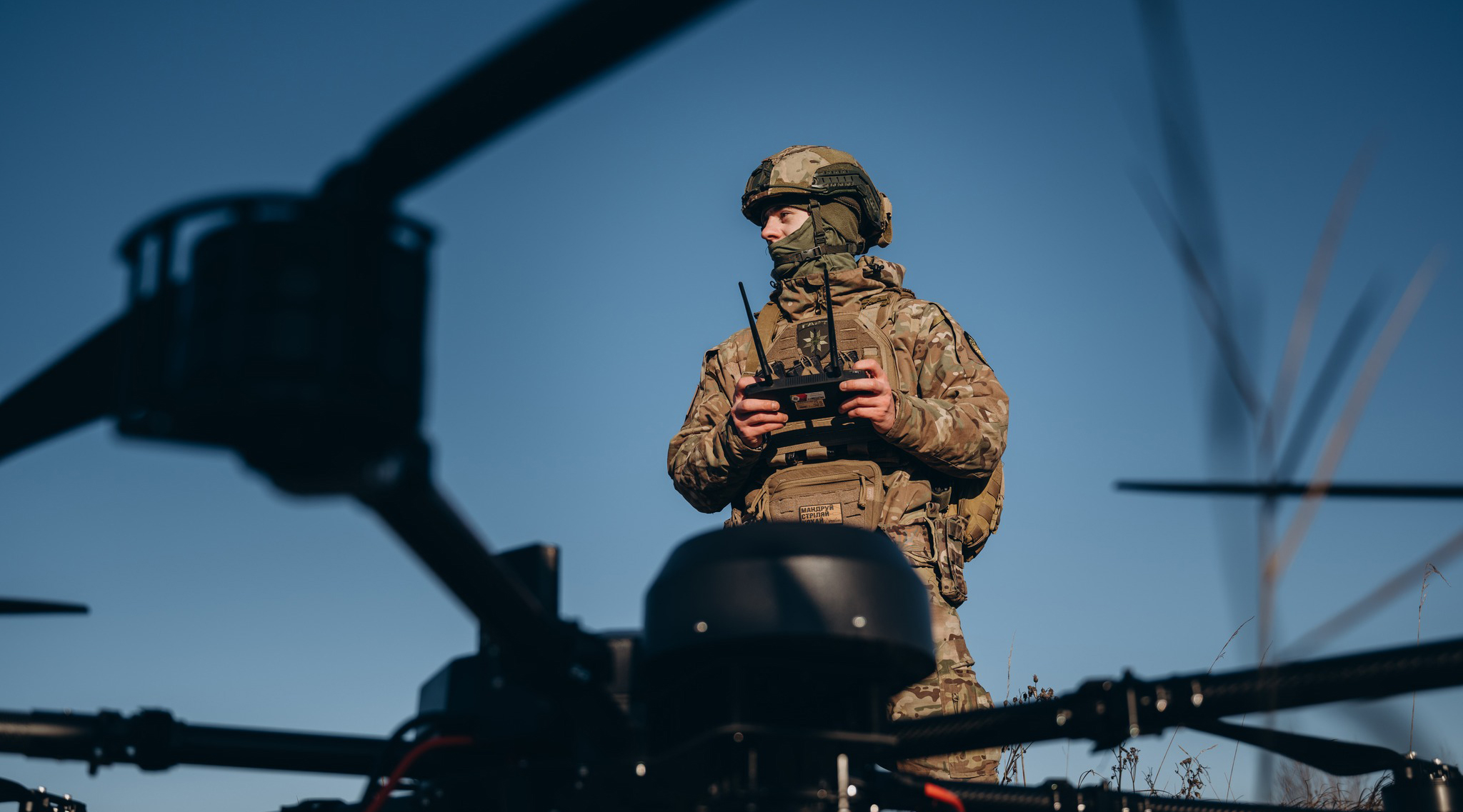
UI: Over the past few years, the technical capabilities of border guards have changed significantly due to the widespread use of drones. What key innovations have emerged, and how have they affected operational effectiveness?
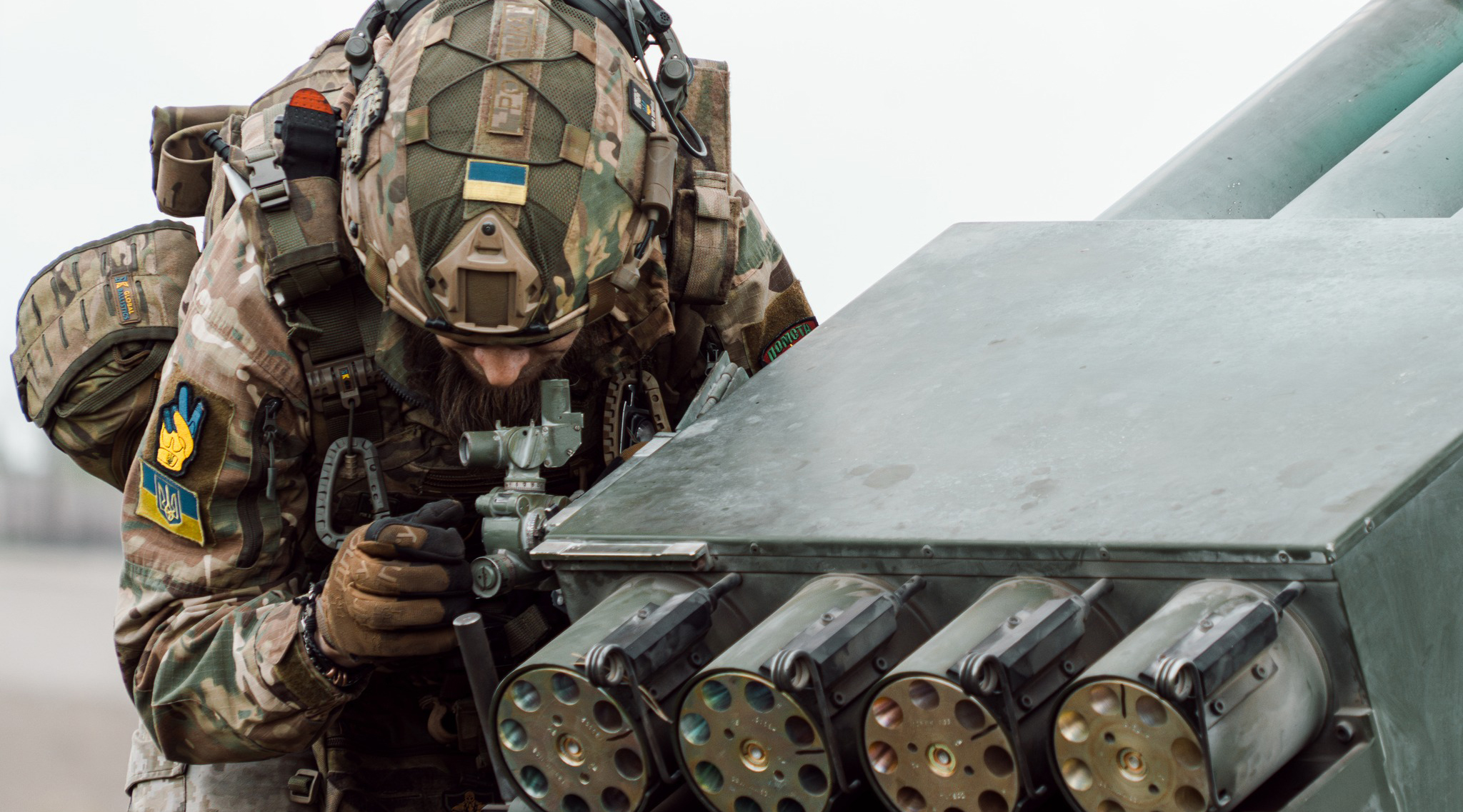
AD: Today, the State Border Guard Service fields virtually the same range of capabilities as units of the Armed Forces and the National Guard. This includes unmanned aerial systems, electronic warfare (EW), and certain air defense assets. In addition, border guard units are equipped with armored vehicles and artillery—from mortars of various calibers to guns and 155 mm self-propelled systems.
While our numbers are smaller than those of the Armed Forces, 54% of our personnel are currently deployed alongside other elements of the Defense Forces across all active combat zones.
We have formed four full-fledged combat brigades with integrated artillery and UAV capabilities, as well as battalion-level units that have been restructured from law enforcement formations into combat-ready elements focused on defense. In recent years, we have significantly expanded our reconnaissance-strike unmanned systems units.
The most prominent among them is the “Phoenix” unit, which ranks among the top three of its kind and operates under the Unmanned Systems Forces of the Armed Forces of Ukraine.
At the same time, every border guard detachment now includes its own dedicated reconnaissance-strike UAV unit. The expansion of these capabilities has resulted in a threefold increase in enemy personnel losses compared to last year, and a sevenfold increase in the destruction of enemy drones and other equipment.
At the outset of the full-scale invasion, border guards had only a limited number of 82 mm mortars at their disposal. As a specialized law enforcement agency, this was effectively all they had to counter large Russian armored vehicle convoys advancing into Ukraine. Yet, together with other defense forces, they succeeded in halting the offensive.
UI: Could you describe how the fight against criminal groups involved in illegal cross-border smuggling is progressing?
AD: One of the key components of border protection is dismantling criminal networks that facilitate illegal crossings.
In 2025, 520 such groups were uncovered, including both organizers and accomplices. In the first three months of this year alone, 80 groups have already been exposed—half of them in March.
During the same period, border guards detained 2,900 violators, which is 38% fewer than in the corresponding period of 2025.
Overall, the number of attempted illegal crossings has been declining compared to 2024–2025.
UI: Which case involving men attempting to cross the border illegally has stayed with you most?
AD: There have been plenty of unusual incidents. For example, men dressing in women’s clothing and trying to pass themselves off as female travelers—some even posing as elderly women. Such cases have occurred on both rail and road routes, including at checkpoints.
But one attempt stands out because it could have ended tragically. A man chose a section of the border with Moldova and found himself trapped by wild animals. After encountering wolves, he climbed a tree to save himself. Realizing the danger, he called the State Border Guard Service hotline and asked for help, admitting he had intended to cross the border illegally. Border guards responded to the scene, helped him down, and subsequently held him accountable for the attempted illegal crossing.
UI: Where do violators most often attempt to cross?
AD: Recently, there has been a noticeable increase in attempts along the Dniester River.
In many cases, individuals use not only wetsuits but also underwater propulsion devices—essentially small water scooters that pull a person forward and increase speed. In practice, a person holds onto the device, submerges, and tries to remain less visible while crossing.
UI: So, is the Tysa no longer a priority?
AD: Attempts to cross the Tysa continue, but the Dniester has recently become more “popular.”
UI: What are the statistics regarding conscription-age men attempting to cross the border illegally?
AD: Since the start of the full-scale invasion in February 2022, 67,000 individuals have been detained at the border:
36,000 along “green” (uncontrolled) sections,
27,000 at control posts in border areas,
4,000 at official checkpoints while using forged documents or falsifying grounds for exit.
At the same time, attempts to cross using forged documents at checkpoints have declined. As a result, the overwhelming majority of violators now use the “green” sections of the border.
The most active direction is the border with Romania, which stretches over 600 km. While in 2022–2024 the Romanian and Moldovan sections showed roughly similar figures, over the past year and into this year, the Romanian border has recorded a higher number of detentions. The second most active direction is the border with Moldova.
UI: How is corruption identified and addressed within the agency?
AD: An effective border protection system depends on public trust, and that requires strict internal oversight. The State Border Guard Service, through its internal and in-house security units, independently works to detect and prevent any unlawful actions by its personnel.
In the first three months of 2026 alone, 600 criminal proceedings were entered into the Unified Register of Pre-Trial Investigations based on findings from these units, including cases related to corruption. However, their mandate goes beyond anti-corruption work.
It also covers offenses under the Criminal Code such as treason, espionage, and the illegal smuggling of persons across the border, as well as bribery—both the offering and acceptance of unlawful benefits involving servicemen.
As part of these proceedings this year, 26 servicemen and 69 civilians have been detained, while 53 individuals have been convicted by court rulings.
In anti-corruption efforts specifically, 50 attempts to offer bribes to servicemen have been documented this year, totaling 7.5 million UAH. By way of comparison, in 2025 there were 95 such cases, amounting to 8.5 million UAH.
Also in 2025, 33 servicemen and 62 civilians were detained in cases involving bribery or abuse of influence, and 76 individuals were formally notified of suspicion at the time of committing these offenses.
In addition, internal security units conduct background checks on all candidates for service. If prior involvement in unlawful activities is identified, measures are taken to prevent such individuals from joining the ranks of the border guards.
UI: Could you tell us about the international dimension of the Border Guard Service’s work?
AD: The State Border Guard Service maintains a high level of trust among international partners, who can see that jointly developed initiatives and provided assistance are being implemented effectively—both in strengthening border protection and supporting national defense.
As a result of this cooperation, the Service has significantly enhanced its defensive, technical, and human resource capabilities.
International cooperation spans engagement with government institutions in more than 30 countries, 10 international organizations and missions, as well as charitable and volunteer groups. Key partners include the border agencies of neighboring European states and Moldova’s border service.
This cooperation also involves diplomatic missions from the United States, Germany, France, the United Kingdom, Australia, Norway, Sweden, Denmark, the Czech Republic, and Japan. Among international organizations, the closest ties are with EUBAM, FRONTEX, and structures operating within the NATO framework.
Support also comes from charitable organizations—for example, the foundation of the Santa Clara Monastery in Spain—as well as through close cooperation with Spain’s Ministry of Defense.
In terms of coordination with neighboring border services, a central role is played by the border representative mechanism, within which 950 meetings were held last year.
Joint patrols are another important component of this cooperation. Introduced prior to the full-scale invasion and gradually expanded, they were temporarily suspended after Russia launched its invasion.
They have now resumed along the borders with Slovakia, Moldova, and Romania, while joint patrols with Hungary and Poland have yet to be restored.
The highest number of joint patrols is conducted with Moldovan border guards, taking place on both Moldovan and Ukrainian territory. Along the Slovak and Romanian borders, patrols are currently carried out only on their side, as, for security reasons, they are not yet prepared to operate within Ukraine.
UI: I would like to congratulate you on your professional holiday and wish you victory!
AD: Thank you. Border guards remain an integral part of Ukraine’s Defense and Security Forces. Our wish on Border Guard Day—just as on any other day—is victory over the enemy, so that peace returns to our land and border guards can go back to their normal duties. That is what we are working toward, striving for, and doing everything possible to achieve.
Yanina Lemeshenko led this conversation. Kyiv
Photos: Kyrylo Chubotin / Ukrinform, SBGSU