
March 26 marks the Day of the National Guard of Ukraine. In its modern form, the National Guard—a military formation with law enforcement functions within the Ministry of Internal Affairs—was reestablished on March 13, 2014, following the onset of Russia’s full-fledged war against Ukraine.
Since then, its units have played a key role in protecting state sovereignty and territorial integrity, guarding critical infrastructure, and ensuring public safety. Following Russia’s full-scale invasion in 2022, National Guard personnel, alongside other components of the Defense Forces, have been actively engaged in combat operations, the defense of Ukrainian cities, and special missions across multiple sectors of the front.
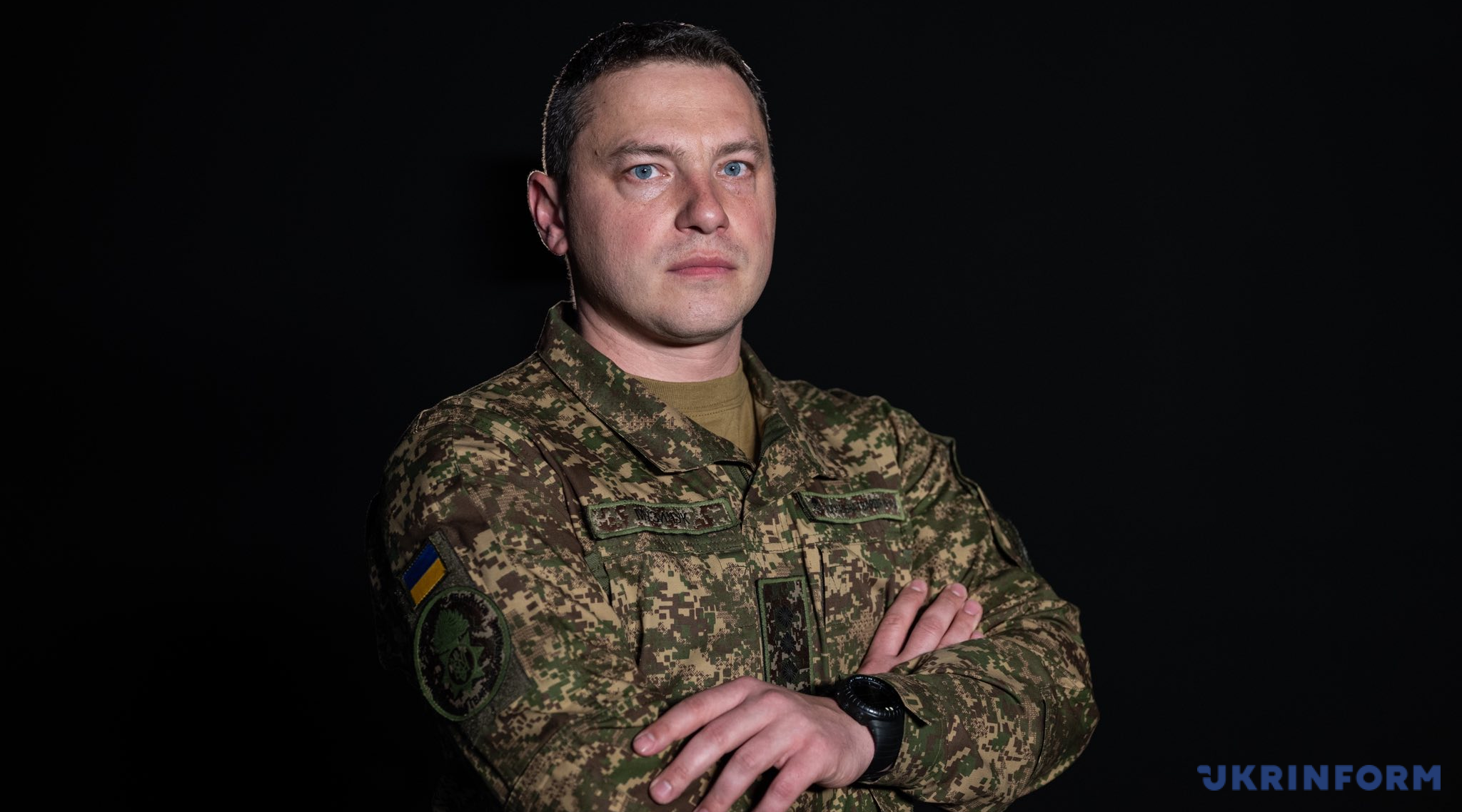
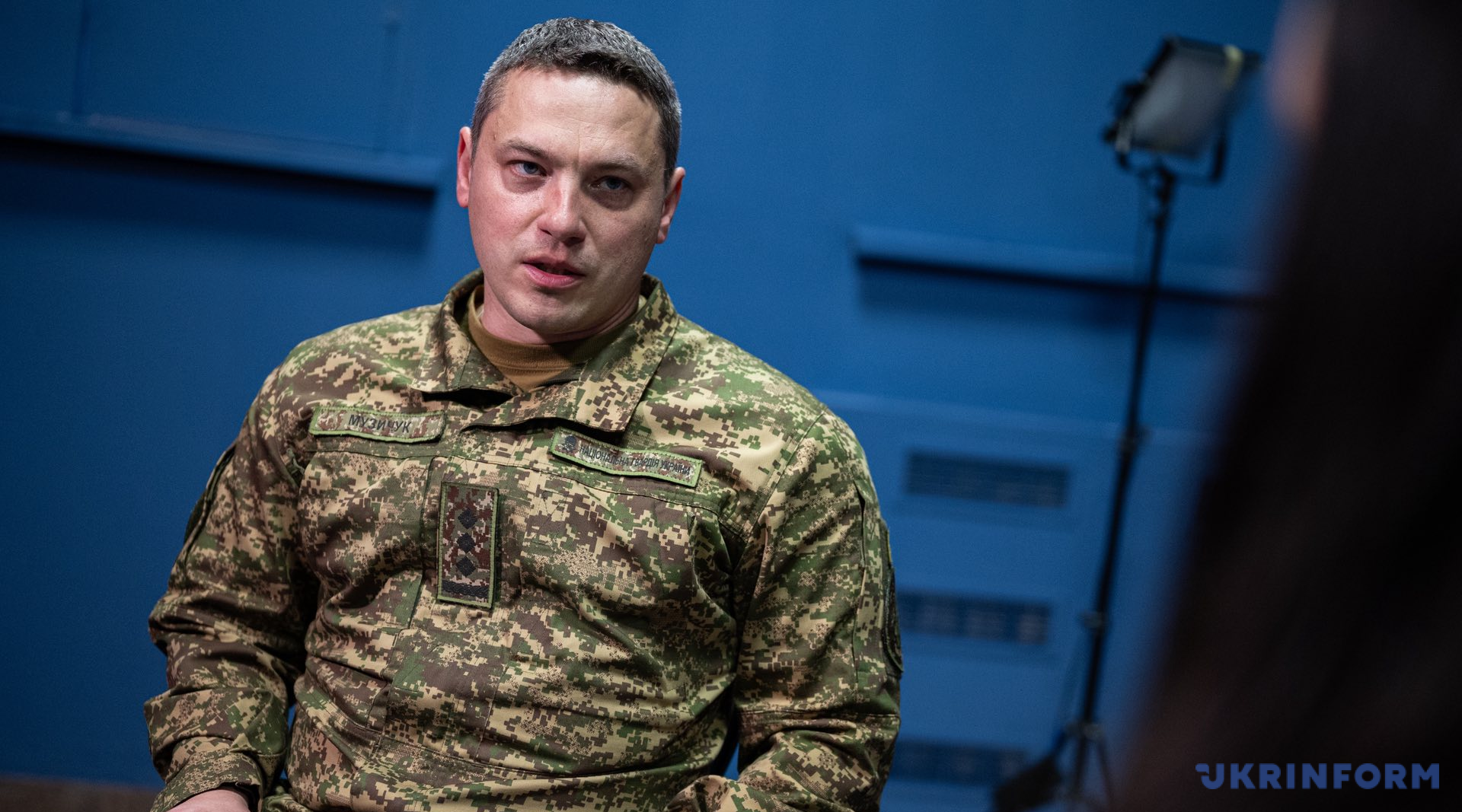
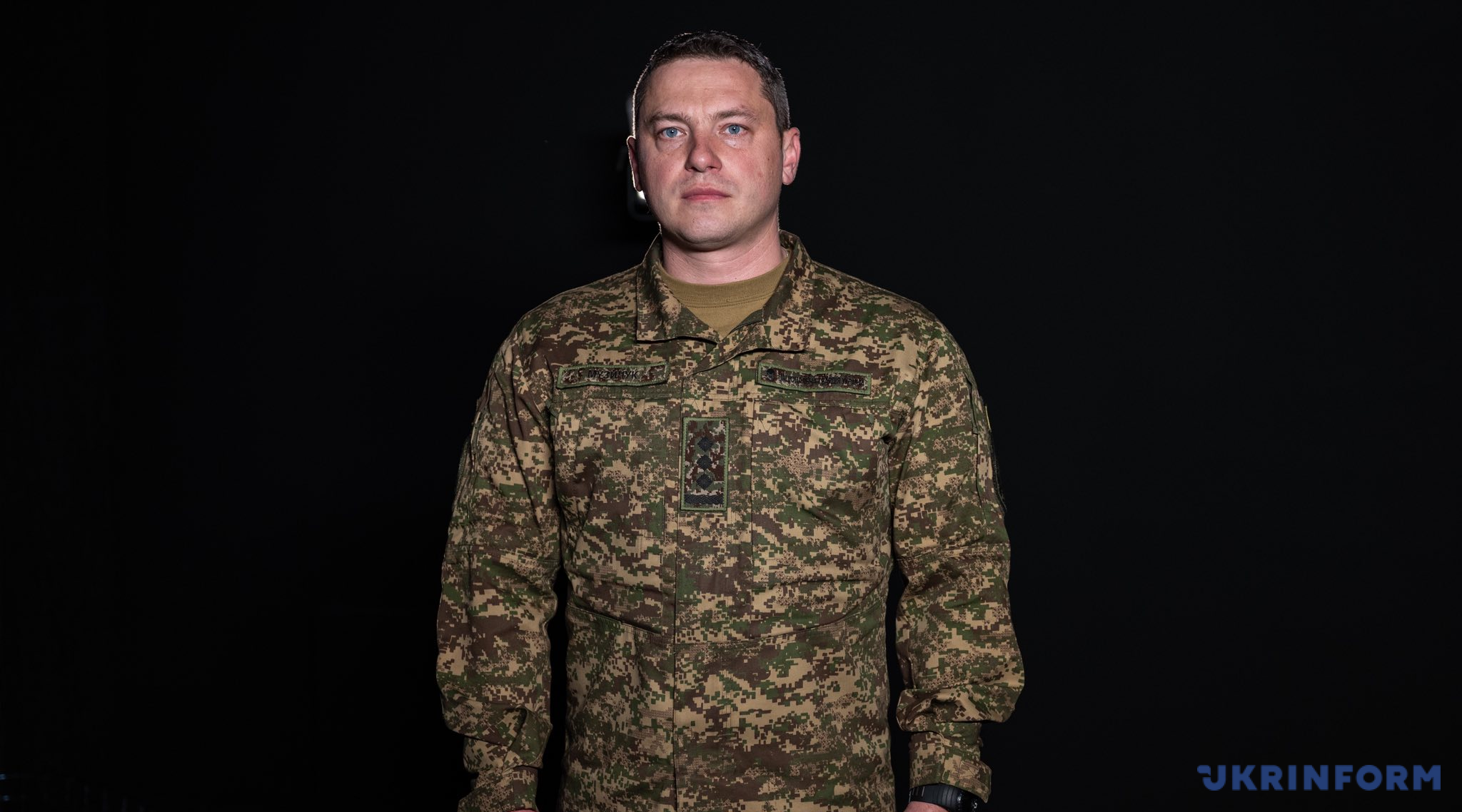
In an interview with Ukrinform, Ruslan Muzychuk, press officer for the National Guard of Ukraine, discussed the Guard’s role in countering Russian aggression, the operational work of its units, and the challenges faced by servicemen during wartime.
Our Units Were Engaged in All Key Sectors of the Front
Q: What were the main tasks carried out by the National Guard during the all-out war?
A: It is important to understand that the National Guard is part of the Ministry of Internal Affairs and combines both military and law enforcement roles. Under martial law, most of our units are subordinated to the Commander-in-Chief of the Armed Forces of Ukraine and carry out missions to repel military aggression.
From the very first hours of the full-scale invasion, our units were involved in repelling the assault on Hostomel Airport. They also operated in the Donetsk and Luhansk regions, as well as in the south—wherever the enemy attempted to advance.
These missions largely mirror those performed during the Joint Forces Operation. In 2022, for example, in Mariupol, our brigade stationed in the city, along with the Azov unit, carried out the defense of both the city and the Azovstal metallurgical plant. Later, during counteroffensives—particularly in the Slobozhansk sector—our units participated in pushing enemy forces out of positions and clearing territories, including in the Kherson region.
On the law enforcement side, from the very first days of the invasion, National Guard personnel were deployed to strengthen security in cities. This included establishing checkpoints amid numerous attempts by enemy sabotage and reconnaissance groups to infiltrate areas such as the Kharkiv region and Kyiv. We also reinforced public safety during curfew hours.
Another critical area of responsibility is the protection of key infrastructure and state facilities. Today, this mission has expanded to include countering aerial threats: we not only secure facilities on the ground but also respond to enemy air attacks.
Q: In which major operations were National Guard units involved?
A: First and foremost, the battles for Hostomel Airport. The enemy’s failure to seize it in the opening hours of the full-scale invasion—and thus its inability to use it for aircraft landings, logistics, and the rapid deployment of forces for an advance on the capital—was critically important.
Our fighters engaged the enemy from the very first hours, destroying six helicopters. It is worth recalling that more than 30 helicopters were involved in the initial assault. The runway was also significantly damaged, preventing the enemy from landing aircraft. As a result, the offensive toward Kyiv lost momentum.
The enemy was forced to disperse its forces and shift to defensive actions. Units of the Defense Forces not only halted the advance but inflicted significant losses from the very first days.
In the Kharkiv sector, on the first day alone, National Guard servicemen destroyed enemy tanks on the approaches to the city. The 5th Slobozhanska Brigade, the 3rd Operational Brigade, and Omega special forces units operated in the Kharkiv defense sector with notable effectiveness and later took part in the counteroffensive.
Mariupol deserves separate mention. A significant share of missions was also carried out in the Zaporizhzhia sector, where the enemy intennsively used aviation and suffered substantial aircraft losses. Notably, a guardsman with the call sign “Zaporizhzhia Avenger”—one of the youngest Heroes of Ukraine at the time—shot down more than six enemy aircraft at the age of 19.
Q: What role did the National Guard play in stabilizing the situation in specific sectors?
A: Throughout the full-scale invasion, our brigades, special forces units, and unmanned systems units have been engaged across all key sectors.
In 2025, this includes not only operations in the most challenging sectors—such as the Pokrovsk, Kramatorsk, Kostiantynivka, Ocheretyne, and Kupiansk, as well as in the south—but also successful strike-and-search operations. One such operation was conducted by units of the NGU’s 2nd Corps “Khartiia,” which helped in breaking the blockade of Kupiansk.
Additionally, from late summer 2025, when the 1st Corps “Azov” assumed responsibility in the Ocheretyne sector, the Defense Forces carried out a successful strike-and-search operation near Dobropillia. Eight settlements that the enemy had attempted to seize were liberated, enabling Ukrainian forces to hold Dobropillia and contain further advances.
Operations in the Pokrovsk sector also stand out—particularly the defense of Pokrovsk, Rodynske, and Hryshyne—where National Guard units played a key role.
After the Thaw, Enemy Activity May Increase
Q: How does the nature of combat operations change with the seasons?
A:There is a clear seasonal dynamic. As weather conditions improve—with rising temperatures, melting snow, and firmer soil—mobility increases, and the enemy typically intensifies its activity.
A clear example is the spring offensives of 2024/2025. In May 2024, in northern Kharkiv region, the enemy attempted breakthroughs in the areas of Hlyboke, Lukyantsi, and Vovchansk. With the snow gone and vegetation providing additional cover, the enemy sought to exploit these conditions, including through the use of armored vehicles and mechanized assaults.
Summer, in recent years, has consistently been a period of intense and heavy fighting.
In autumn, even with the onset of colder weather—sometimes as late as November—favorable conditions have enabled the enemy to carry out intensive, at times desperate assaults. These often involve large numbers of personnel or systematic attempts to breach specific sections of the front, with continuous reinforcement of manpower and equipment.
Winter dynamics vary. Even this past winter saw periods of reduced activity—particularly in late January and early February—followed by renewed escalation.
Weather conditions have a direct impact on the battlefield. Not only the season but specific factors—such as fog or heavy precipitation—play a role. For instance, drone operations become significantly more difficult in such conditions, whereas artillery remains largely unaffected and often becomes more active.
Q: How do you assess the balance of forces between your side and the enemy?
A: Figures regarding enemy manpower in occupied territories, border areas, or specific sectors are periodically cited. I would prefer not to give exact numbers, as they are indeed significant, and such information can sometimes be perceived as alarming—although our units and brigades confront this threat daily and continuously.
Despite having a multiple numerical advantage in certain sectors, the enemy is not achieving the level of success or rate of advance envisioned by classical military doctrine. This is largely due to the creation of “kill zones” and the extensive use of drones. For example, more than 1,800 enemy drones were recently detected simultaneously in the air within the area of responsibility of our 1st NGU Corps “Azov.” In addition, the enemy uses fiber-optic drones, which cannot be detected by electronic warfare systems because they do not emit radio signals. We, in turn, also deploy large numbers of drones and actively mine terrain—both of which are critical elements of our defense.
This combined effort—detecting enemy drones and engineering fortified positions, carried out jointly with the Defense Forces—denies the enemy surprise, operational success, and significant gains.
The enemy continues to replenish its units. Even accounting for losses reported by the General Staff—on average more than 1,000 personnel per day—it reinforces the most difficult sectors. The number of combat engagements can exceed 200 per day. However, at this stage of the war, the sheer number of enemy infantry is not the decisive factor in achieving success in a given sector.
There are areas where the enemy may outnumber our forces fivefold or even tenfold, and at times hold advantages in artillery or drones. However, these advantages are not sustained due to the actions of our units—particularly the expansion of unmanned systems and the use of long-range artillery, such as the Bohdana self-propelled howitzer and the Zuzana 155 mm systems, which have a firing range of over 30 kilometers. These capabilities enable strikes against enemy concentrations, logistics hubs, and command posts. Even temporary disruptions in command and control at the tactical level significantly hinder the enemy’s ability to prepare and conduct offensive operations.
Q: How has the situation in the National Guard’s area of responsibility changed in recent months?
A: In the Pokrovsk sector, the enemy has maintained a high level of activity. It is also operating actively in the Ocheretyne and Huliaipole sectors. We assess that with the onset of warmer weather, enemy activity may increase in other areas as well.
In the Kharkiv region, particularly around Kupiansk, the enemy lost the initiative following our strike-and-search operations. However, given its long-standing intentions regarding Kupiansk, we anticipate possible attempts to resume offensive actions—either in that sector or more broadly in the South Slobozhansk sector. We are prepared for such developments.
Q: How has the intensity of combat operations for National Guard units changed recently?
A: Since the beginning of the year, the intensity of combat operations has remained broadly comparable to the level observed in December 2025, likely due to seasonal factors.
At the same time, activity in the areas of responsibility of our corps and brigades was particularly high in late summer—especially in August—and throughout the autumn. During that period, the enemy conducted sustained assault operations across multiple sectors in Donetsk region and, at times, in the Kharkiv region as well.
Q: In which sectors is the greatest pressure on National Guard units currently observed?
A: In recent weeks, the heaviest pressure has been concentrated in the Kostiantynivka, Pokrovsk, and Ocheretyne sectors, where our brigades repel more than ten—and at times over twenty—enemy assault attempts daily. Pressure is also observed in the Lyman and Kostiantynivka sectors, where periods of relative calm alternate with renewed escalation.
Drones Help Offset the Enemy’s Numerical Advantage
Q: How does the use of drones and modern technologies affect the effectiveness of National Guard operations?
A: Drones now enable us—like the Defense Forces as a whole—to offset the enemy’s numerical superiority, particularly in infantry. Moreover, Ukraine, and specifically the National Guard’s unmanned systems units, has become a leader in multiple areas of drone deployment.
Over the past year, drone usage by our units in certain sectors has increased three- to fivefold. In practical terms, this means that in high-intensity areas—such as the Pokrovsk sector—the number of drones operating within a brigade’s defensive zone is now several times higher than it was a year ago.
Countering enemy drone activity remains a key priority. This involves the development of electronic intelligence and electronic warfare capabilities, as well as the deployment of interceptor drones. Enemy reconnaissance UAVs are constantly present in the air, but our units actively detect and destroy them. During sustained operations against UAVs such as Zala, SuperCam, and Orlan, more than 13,000 have been neutralized.
National Guard unmanned systems units are among the most effective within the Defense Forces—particularly Lasar’s Group, “Wings of Omega,” and “Typhoon.” Together, they have inflicted losses on enemy personnel and equipment estimated at over $19 billion. This has not only stabilized conditions in key sectors but also enabled strike-and-search operations and holding defensive positions.
Q: What results have the National Guard’s unmanned systems units achieved in destroying enemy equipment?
A: The most significant results in destroying enemy armored vehicles were achieved between 2022 and 2024, when the enemy heavily relied on mechanized assaults.
In total, National Guard personnel have eliminated more than 20,000 units of various armored vehicles, largely due to the work of unmanned systems units. Today, drones account for more than 80 percent—and at times over 90 percent—of all target engagements, including both personnel and armored vehicles.
A notable example of this effectiveness occurred in mid-April last year in the area of responsibility of the 14th Brigade “Chervona Kalyna” in the Pokrovsk sector. The enemy launched an assault involving more than 100 pieces of equipment—including motorcycles—and over 200 troops.
This attack was halted and repelled, with most enemy forces and equipment destroyed within seven hours. Despite the high tempo and an attempt to achieve surprise, timely detection and precise drone strikes enabled Ukrainian forces to defeat the mass assault in less than a day.
Q: How is the enemy’s use of drones evolving?
A: The enemy is investing significant resources in strengthening its military-industrial base, particularly in the drone sector. Much of what it deploys is adapted from Ukrainian battlefield experience, scaled up, and replicated—making it a threat not only to Ukraine but potentially to other European countries as well. At present, Ukraine remains the only country with extensive, real-world experience of large-scale drone warfare, and others are closely studying and integrating these lessons.
Russia is expanding its unmanned systems units, increasing production capacity, and intensifying drone deployment. The emergence of new models and the widespread use of low-cost platforms—such as the “Molniya”—have made the front line increasingly dangerous. In some cases, particularly in the Pokrovsk sector, the enemy deploys up to 200 “Molniya” drones per day. While many are intercepted or neutralized by electronic warfare systems, even 20–50 drones reaching their targets can pose a serious threat, especially when combined with precision glide bombs and artillery.
The enemy continues to advance this capability by introducing more sophisticated systems, which requires constant analysis and adaptation on our part.
Q: Does the National Guard have solutions or approaches in UAV deployment that provide an advantage over the enemy?
A: The National Guard operates its own workshops, where drones are both manufactured and upgraded to enhance resilience against enemy electronic warfare and to ensure effectiveness across specific operational sectors. This work is complemented by close cooperation with manufacturers—particularly Ukrainian ones—who are actively improving drone performance on the battlefield.
The key is not only the quantity of drones, but their effectiveness in executing strike, reconnaissance, and logistical missions.
More Than 500 “Shahed” Drones Destroyed Since the Start of the Year
Q: What role does the National Guard play in protecting critical infrastructure?
A: Protecting critical infrastructure is a central element of countering Russia’s hybrid warfare strategy. This winter has clearly demonstrated that energy facilities and other essential infrastructure—on which heating and power supply for cities and communities depend—remain priority targets for the enemy.
During major air attacks and precision strikes, National Guard personnel—particularly mobile air defense groups and interceptor drone crews—consistently destroy a significant number of incoming drones, and in some cases even cruise missiles.
As for ballistic threats, we do not have the capabilities to counter them, nor is this within the National Guard’s mandate. However, in intercepting drones and “Shahed” UAVs, our performance has been highly effective. Since the beginning of this year alone, more than 500 “Shahed” drones have been neutralized, compared to 243 in 2024. This demonstrates a clear increase in effectiveness, even as the enemy continues to scale up its use of strike UAVs.
Q: How many fire groups are involved in these tasks?
A: In total, around 1,000 mobile and stationary air defense groups are deployed. Their number depends on the scope of tasks, the volume of infrastructure requiring protection, and the directions from which Russia can launch attacks. Ukraine has an extensive border with Russia in the north and east, as well as a maritime axis, so we aim to respond effectively across all potential threat vectors.
The number of groups is adjusted depending on the operational situation—reinforced in specific sectors whenever necessary to strengthen the national air defense architecture. For security reasons, exact figures and deployment details are not disclosed. The responsibility of state leadership and National Guard command is to continuously assess where and how these units should be reinforced, and with what capabilities.
Notably, an agreement was signed last week under which, with German funding, National Guard units will receive 15,000 interceptor drones designed to engage fast and maneuverable aerial targets and enhance the protection of critical infrastructure.
The Corps-Level System Accelerates Decision-Making at the Front
Q: What does the transition to a corps-level command system involve?
A: We currently have two corps—“Azov” and “Khartiia”—both established just over a year ago. Their creation marked the National Guard’s transition to a corps-level command structure.
The primary objective is to reduce the span of control. Brigades are now directly subordinated to corps-level command, while retaining responsibility for executing combat missions at their level. Corps headquarters focus on command and coordination roles—this is not about micromanagement.
Brigades are responsible for holding defensive sectors and ensuring mission execution, including logistics and intelligence support, enabling units within the corps to operate effectively. Over the past year, this structure has proven its effectiveness, particularly during strike-and-search operations in the Kupiansk sector and in the Dobropillia area.
Another critical advantage is the speed of decision-making. Brigade commanders maintain direct and rapid coordination with corps command, significantly accelerating operational decisions. In frontline conditions—especially during sudden offensives—minutes and hours can be decisive for reinforcing units, delivering ammunition, or regrouping forces.
At the same time, corps structures are undergoing continuous organizational development. In particular, the establishment of unmanned systems regiments and assault regiments within both corps has been announced. These additions provide commanders with greater flexibility and tools to reinforce units in critical sectors.
Recruitment is another key area. Considerable effort is being made to attract motivated personnel. Public recognition of brigades, corps, and their commanders plays an important role, influencing individuals’ decisions to join and ultimately strengthening these formations.
Over the past year, substantial progress has been made in expanding units’ ability to conduct independent procurement. In particular, they have been integrated into the DOT-Chain Defence marketplace, enabling them to independently acquire FPV drones, bomber drones, fixed-wing UAVs, and electronic warfare systems. This significantly shortens the logistics chain and reduces reliance on centralized supply distribution.
These changes also impact the training system. Basic military training programs are being updated flexibly and rapidly, taking into account frontline requirements and direct feedback from commanders with real-world battlefield experience.
Q: How quickly are decisions made at the unit level in combat conditions today?
A: Decision-making is rapid—not only at the unit level, but also at the level of corps command and the leadership of the National Guard and the Ministry of Internal Affairs. The Commander and the Minister regularly visit frontline units, engage with brigade and corps commanders, and communicate directly with servicemen. This ensures a clear understanding of operational needs and frontline conditions, allowing for timely managerial and organizational adjustments.
Q: What approaches are used to recruit and reinforce units under conditions of intense combat operations?
A: Our corps—“Azov” and “Khartiia”—and their brigades maintain a strong media presence due to their operational effectiveness. Many servicemen and commanders are visible in the media, which plays an important role in recruitment.
We also cooperate with major job platforms, as the Defense Forces offer a wide range of roles. These include not only infantry, assault units, and UAV operators, but also specialists such as radiotelephone operators, analysts, medics, clerks, and psychologists. This allows us to attract personnel with the specific skills required for effective unit staffing.
At the same time, replenishment largely depends on mobilization. Training is conducted both domestically and abroad—in more than ten EU countries as well as in the United States—helping to increase the number of trained servicemen ready for deployment.
Q: What is the situation with personnel rotation in the National Guard?
A: As long as active combat operations continue along a front line exceeding 1,300 kilometers, meaningful rotation is only possible if there is a sufficient reserve of units to replace those currently engaged. This, in turn, depends on recruitment and mobilization.
If recruitment remains strong and units are consistently reinforced through mobilization—without escalation in new or existing sectors—planned rotations may become feasible. However, under current conditions, when our tasks include not only holding the line but also reinforcing threatened sectors and conducting strike-and-search operations, we cannot afford to withdraw entire brigades—or even battalions—in full strength for recovery on a planned basis.
Training Programs Have Already Been Updated Five Times
Q: How has the basic training of National Guard servicemen evolved?
A: The system of basic military training has undergone continuous transformation over the past two years. Training programs have already been revised approximately five times. They are aligned with Armed Forces standards to ensure interoperability on the battlefield and are continuously updated to reflect the realities of modern warfare.
Practical training has been significantly enhanced. Training grounds now include exercises on assaulting trenches and settlements, while training centers are equipped with simulators for a full range of weapon systems, including 120 mm mortars. These facilities allow for realistic replication of combat conditions, including the real-time use of drones. One of the key outcomes of these reforms has been a substantial increase in training capacity.
Q: What new courses have been added to the training program?
A: We aim to ensure that every serviceman is capable of operating unmanned systems and understands how to employ drones—both aerial and ground-based—on the battlefield, as well as the fundamentals of electronic warfare and electronic intelligence.
These additions are essential because, prior to the full-scale invasion, training focused largely on positional warfare and urban combat. Today, these skill sets have evolved: even highly trained special operations personnel may be ineffective if they are not trained to operate in an environment saturated with drones.
Training now emphasizes not only individual skills and coordinated action at the platoon or company level, but also integration with drone-heavy battlefield dynamics. Servicemen are trained to operate independently, detect aerial threats, and coordinate with specialized units.
The program also includes cyber hygiene. Every soldier carries a phone and must understand what information may be valuable to the enemy, what must not be shared on social media or in conversation, and what constitutes sensitive data. To enhance effectiveness, instructors with real combat experience are actively involved in training.
Q: How is practical training organized?
A: Basic military training lasts 57 days. During this period, servicemen acquire core competencies, from tactical medicine to weapons handling. After assignment to their units, they undergo cohesion training and further specialization based on their roles—whether as machine gunners, armored vehicle drivers, UAV operators, and so on.
This stage also includes familiarization with commanders and the specific sector of the front where the soldier will operate. Conditions vary significantly between areas such as the Pokrovsk and Kupiansk sectors or Kherson region, and this unit-level training is critical to ensuring operational effectiveness.
Q: How many National Guard servicemen have undergone training abroad?
A: More than ten EU countries are involved in training our personnel. In 2025 alone, over 6,000 National Guard servicemen completed training abroad.
The United Kingdom, Norway, and Germany have provided substantial support. This includes not only basic military training, but also leadership development, staff training, and specialized courses for snipers and combat medics—covering the full spectrum required for effective unit performance.
Q: How is domestic training developing in Ukraine?
A: Training continues to evolve. Over the past two years, our domestic training capacity has increased nearly sixfold. Programs are constantly being refined through coordination between unit commanders, the NGU Main Directorate, and the General Staff. This process is deliberately fast-paced, as the priority is effectiveness rather than bureaucracy.
We Get Tired Like Everyone Else, But We Fight for Everyone
Q: What key changes have taken place in equipping the National Guard with weapons and equipment?
A: In recent years, we have received 155 mm artillery systems in line with NATO standards. Their effectiveness has been demonstrated across multiple sectors, with reconnaissance drone footage confirming precise strikes at ranges of up to 30 kilometers against enemy equipment and positions.
The integration of these systems into corps-level structures—including the establishment of a separate artillery brigade—has significantly improved our ability to respond rapidly and reinforce critical sectors. This brigade, created just two years ago, is now among the top performers in terms of target engagement and destruction. In modern warfare, precision and professionalism often outweigh the sheer volume of fire.
Significant efforts have also been made to modernize legacy systems. The Shilka self-propelled anti-aircraft system has been upgraded, while the Soviet-era BM-21 Grad MLRS has been mounted on a modern MAN (6×6) platform, improving targeting capabilities and crew protection.
In small arms, units are being equipped with modern sniper systems from leading global manufacturers, particularly suited for urban combat. There is also an ongoing transition from Kalashnikov rifles to more modern platforms such as the UAR-10 and UAR-15, replacing outdated assault and sniper weapons.
Q: What resources or capabilities are most lacking for the National Guard?
A: As long as active combat operations continue, no brigade or corps commander will say they have sufficient resources. Ammunition, artillery shells, and drones are expended daily in large volumes. When the enemy intensifies activity in a given sector, demand rises accordingly, making it impossible to speak of adequate supply.
In the near term, the need for drones will remain particularly acute. Both state leadership and military command are actively addressing this requirement.
Another critical capability is artillery—especially long-range systems, as well as artillery that can operate effectively in all weather conditions and reinforce the most difficult sectors of the front. On some days, within the areas of responsibility of National Guard units, the enemy conducts between 350 and 600 artillery strikes. In response, our forces carry out counter-battery operations—detecting and destroying enemy artillery while striking its positions. Drones are used extensively across all roles, from reconnaissance and strike missions to logistical support.
Q: What most exhausts National Guard servicemen today, and what helps sustain their resilience?
A: Like all people, our servicemen experience both physical and moral fatigue due to constant engagement in combat operations. At the same time, support systems are in place: psychologists, commanders, and chaplaincy services all contribute to maintaining morale.
Fighters often say that when they travel to other cities in Ukraine, they feel public support—and that gives them strength. They understand what they are fighting for: their families, their fellow citizens, and their country. The National Guard enjoys one of the highest levels of public trust, and servicemen feel that trust directly.
A humane approach to personnel is critical. It enables soldiers to continue performing their duties even under extreme conditions, as each understands they are defending their country against a real and present threat.
Recently, we launched a public awareness campaign billed as “National Guard: People First.” One of its key messages—“We get tired like everyone else, but we fight for everyone”—captures the reality of sustained effort despite fatigue and the prolonged nature of the war.
The Enemy Continuously Pushes Disinformation
Q: As a National Guard spokesperson, what challenges do you face in strategic communications?
A: The enemy has consistently relied on disinformation since the time of the ATO and the Joint Forces Operation, and this effort continues now—often on a large scale. In parallel, there are persistent cyber threats. Prior to the full-scale invasion, for example, major cyberattacks targeted government websites, including that of the National Guard.
Our task is to counter these narratives—refuting propaganda while demonstrating the real actions of our units on the battlefield. This ensures that both Ukrainian society and international partners understand the work being carried out by the Defense Forces. It builds trust, reinforces support, and strengthens confidence in our ability to defend the country.
Q: Which Russian information narratives do you have to counter most frequently?
A: Russian propaganda has traditionally focused on discrediting the “Azov” unit, which has had repercussions even at the international level. However, both the unit’s performance and our sustained communication efforts have demonstrated that it is an effective component of the National Guard and the broader Defense Forces.
Other narratives target commanders—spreading claims intended to demoralize personnel, such as alleged withdrawals from positions or refusals to carry out orders. The enemy also circulates disinformation about disruptions to mobilization, often involving the National Guard.
Q: How has Russian disinformation tactics evolved over the past year?
A: In essence, the tactics have not changed. Russia has always invested heavily in propaganda and disinformation. What has changed is our response: it has become significantly more effective.
Through interagency coordination, close engagement with media professionals and journalists, we can quickly identify disinformation, provide clarification, and counter hostile narratives. This improved effectiveness is also recognized by our international partners, with whom we cooperate in the field of strategic communications.
Q: What skills are essential in the information domain in the fifth year of the full-scale invasion? What should be further strengthened?
A: The key factor is coordination—both within the communications community and across institutions. Significant effort is devoted to ensuring that communication and response are fast, coherent, and aligned across all levels—from the National Security and Defense Council to the Ministry of Defense, the General Staff, the Ministry of Internal Affairs, and the National Guard.
We operate with a clear understanding of the information environment and associated threats, maintain a unified messaging approach, and define roles at each stage. This ensures that the communications of the Defense Forces remain consistent, credible, and effective.
Trained and Combat-Ready Units Must Always Be Available
Q: What lessons from this war are already shaping the National Guard’s approach to warfare?
A: First and foremost, it is essential to maintain trained and combat-ready units, a significant portion of which must have real combat experience. This was clearly demonstrated during the battles for Hostomel Airport. At that time, our 4th Brigade had extensive operational experience in the east—in Luhansk and Donetsk regions. When the threat emerged, specifically Russia’s airborne assault, a decisive response followed: to repel the attack. The servicemen understood their tasks and acted effectively, despite the scale and surprise of the offensive.
Second, there must be continuous efforts to ensure that units are adequately equipped—with modern weapons, equipment, and, critically, drones.
Third, maintaining morale and providing strong social support are key. Servicemen must feel properly provided for, confident that their families are supported, and assured that command maintains open communication, understands their needs, and responds accordingly.
Q: Is the National Guard preparing for new types of threats that may emerge in the near future?
A: The National Guard was established in 2014 specifically to counter hybrid threats. Today, those threats have evolved—they include aerial attacks, information warfare, and high-intensity kinetic operations on the battlefield. Accordingly, we continuously analyze potential risks.
While we have accumulated extensive experience across all domains, the evolution of enemy weaponry, changes in tactics, and the overall transformation of warfare require constant adaptation—both in training and in organizational structure.
Q: What tasks will the National Guard perform after the war?
A: The National Guard of Ukraine is comparable to similar institutions worldwide, such as the Gendarmerie in France and Romania, and the National Republican Guard of Portugal.
Following the end of hostilities, our primary tasks will include stabilization operations, maintaining public order, participating in mine countermeasure operations, and assisting civilians in frontline and liberated areas. The National Guard has already carried out such missions during the ATO and the Joint Forces Operation, as well as in liberated areas of the Kharkiv and Kherson regions.
The National Guard is also a member of the FIEP (Association of Gendarmerie and Police Forces of Europe and the Mediterranean) and the European Gendarmerie Force. This reflects the alignment of our functions, responsibilities, and legal framework with comparable EU structures, which combine military and law enforcement roles to ensure national and public security.
Yelyzaveta Chirnysh led this conversation. Kyiv
Photos: Danylo Antoniuk
Danylo Antoniuk