
According to the General Staff data as of March 2, units of the Air Assault Forces have liberated nine settlements in the Oleksandrivske direction. The Ukrainian offensive continues, with key tasks carried out by the 95th Separate Polissia Air Assault Brigade among others.
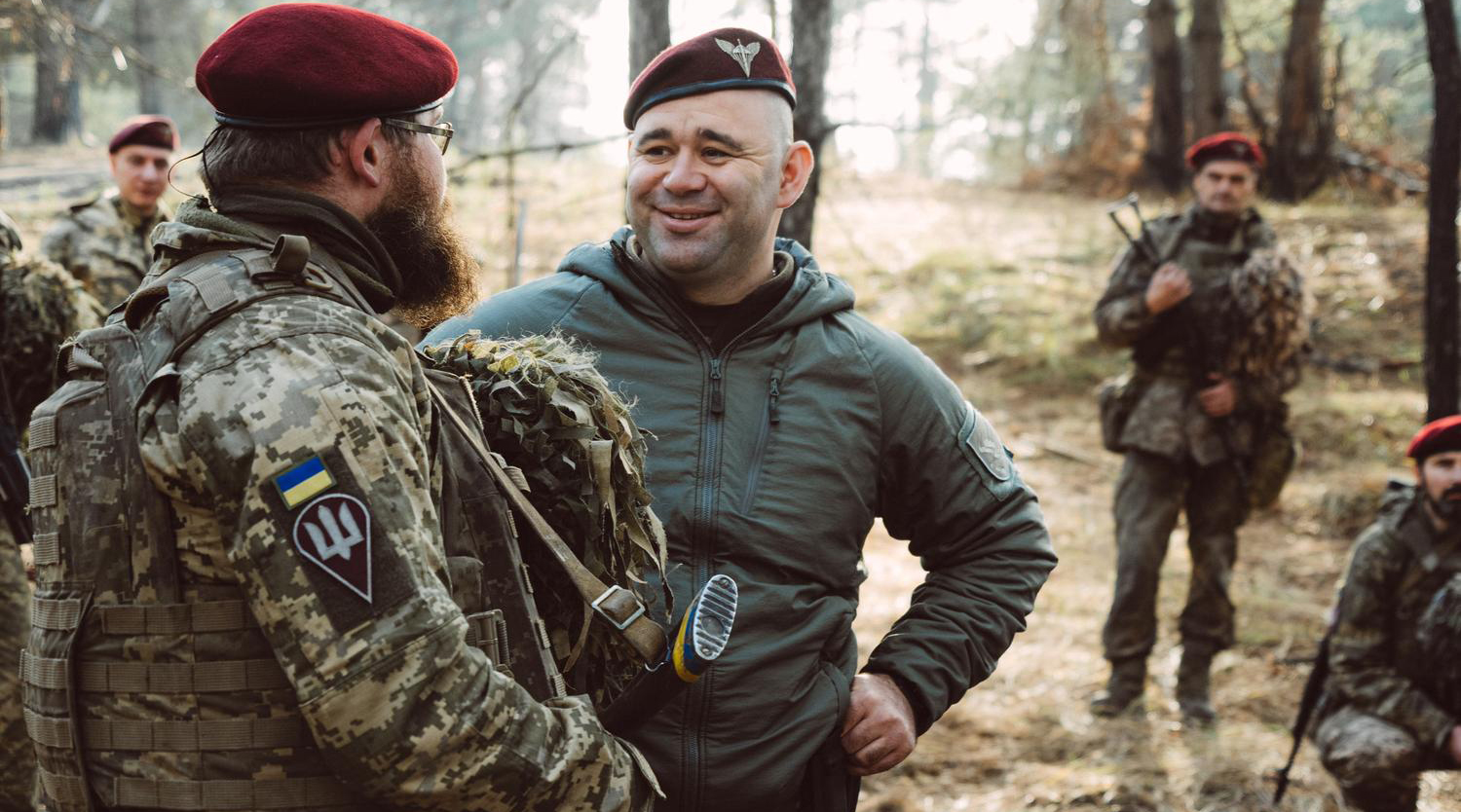
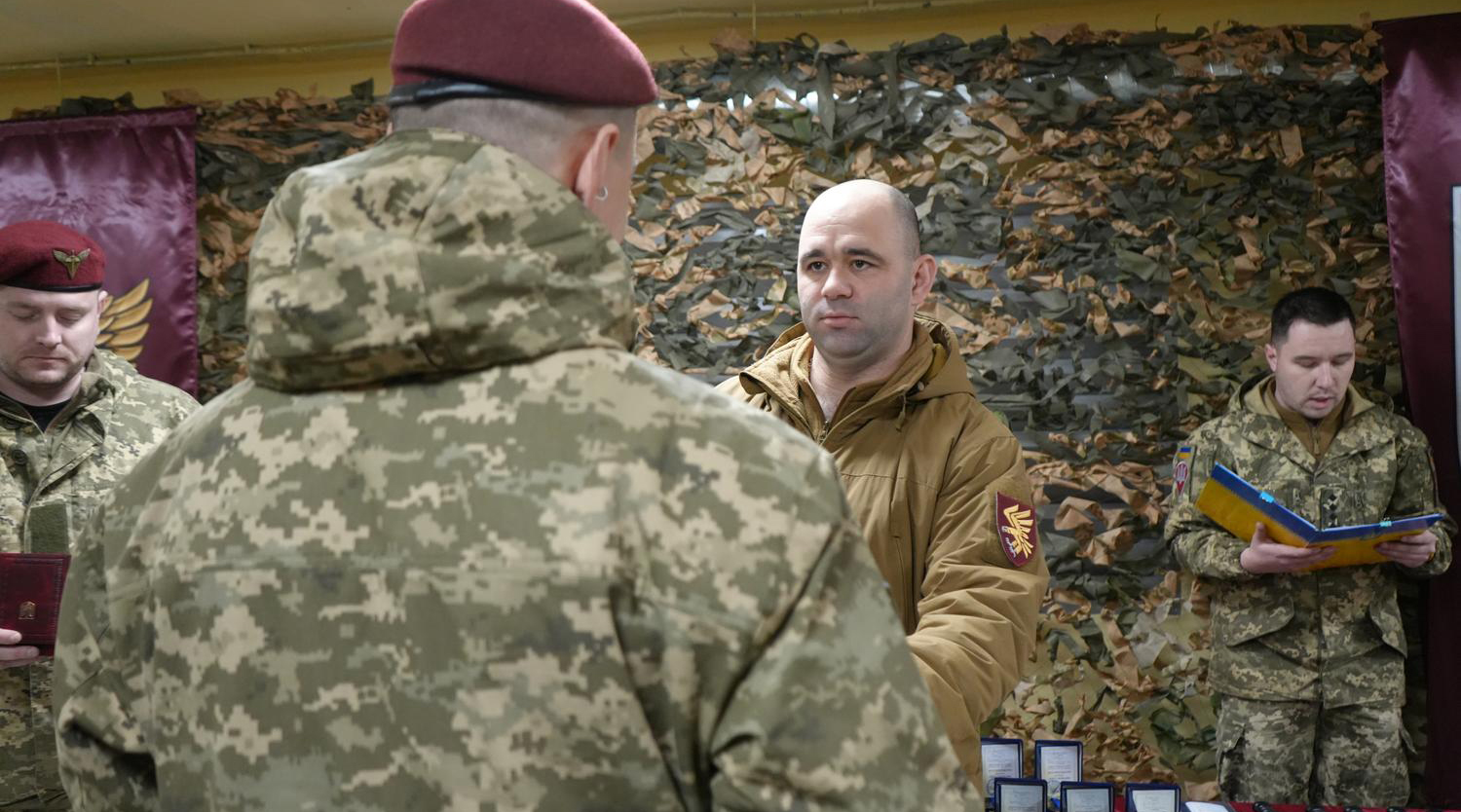
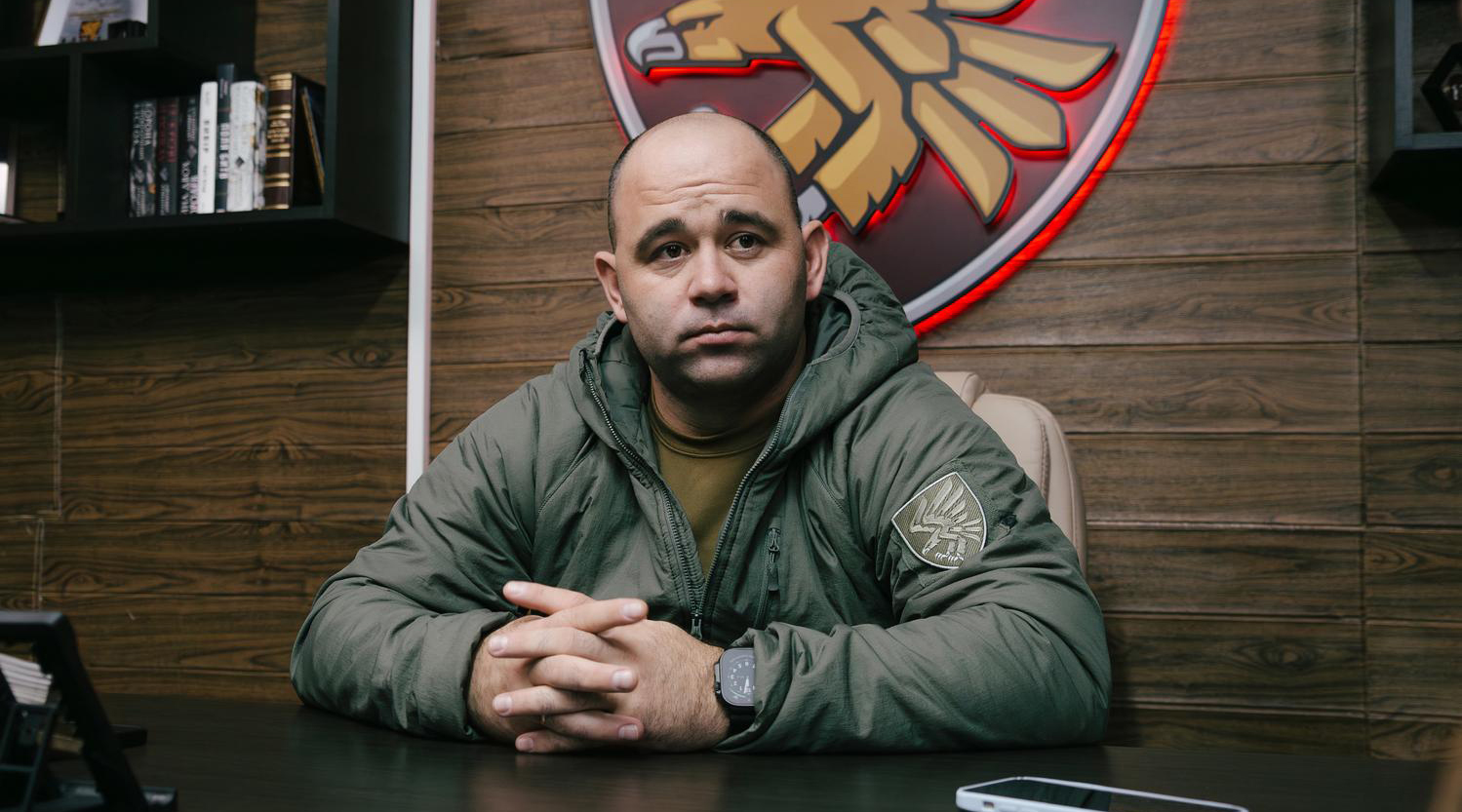
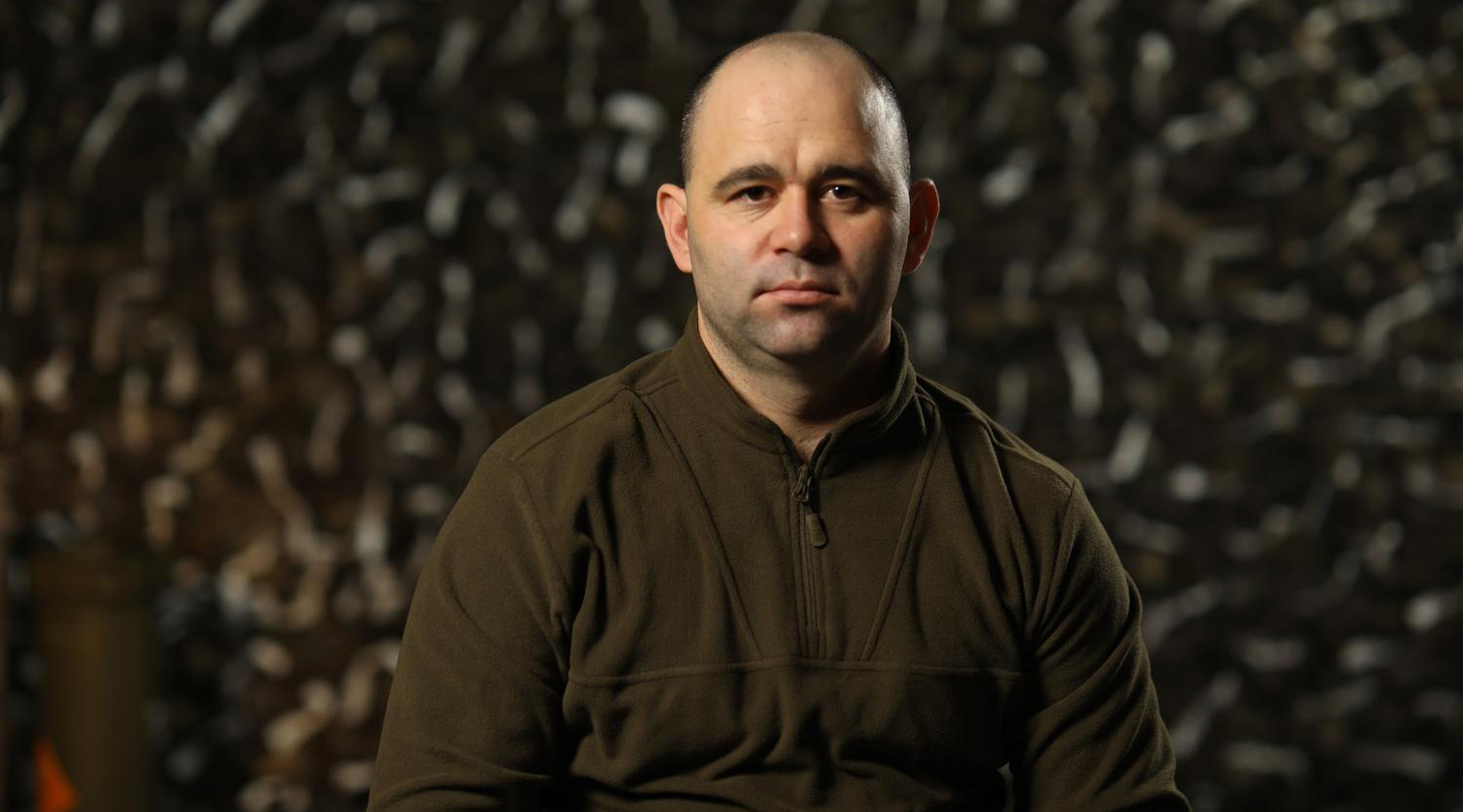
A Ukrinform correspondent spoke with the brigade’s commander, Colonel Ruslan Maryshev, about the situation in this sector of the front, the enemy’s tactics, the prospects for further offensive operations, and his views on negotiations and territorial concessions, and how he envisions Ukraine’s victory.
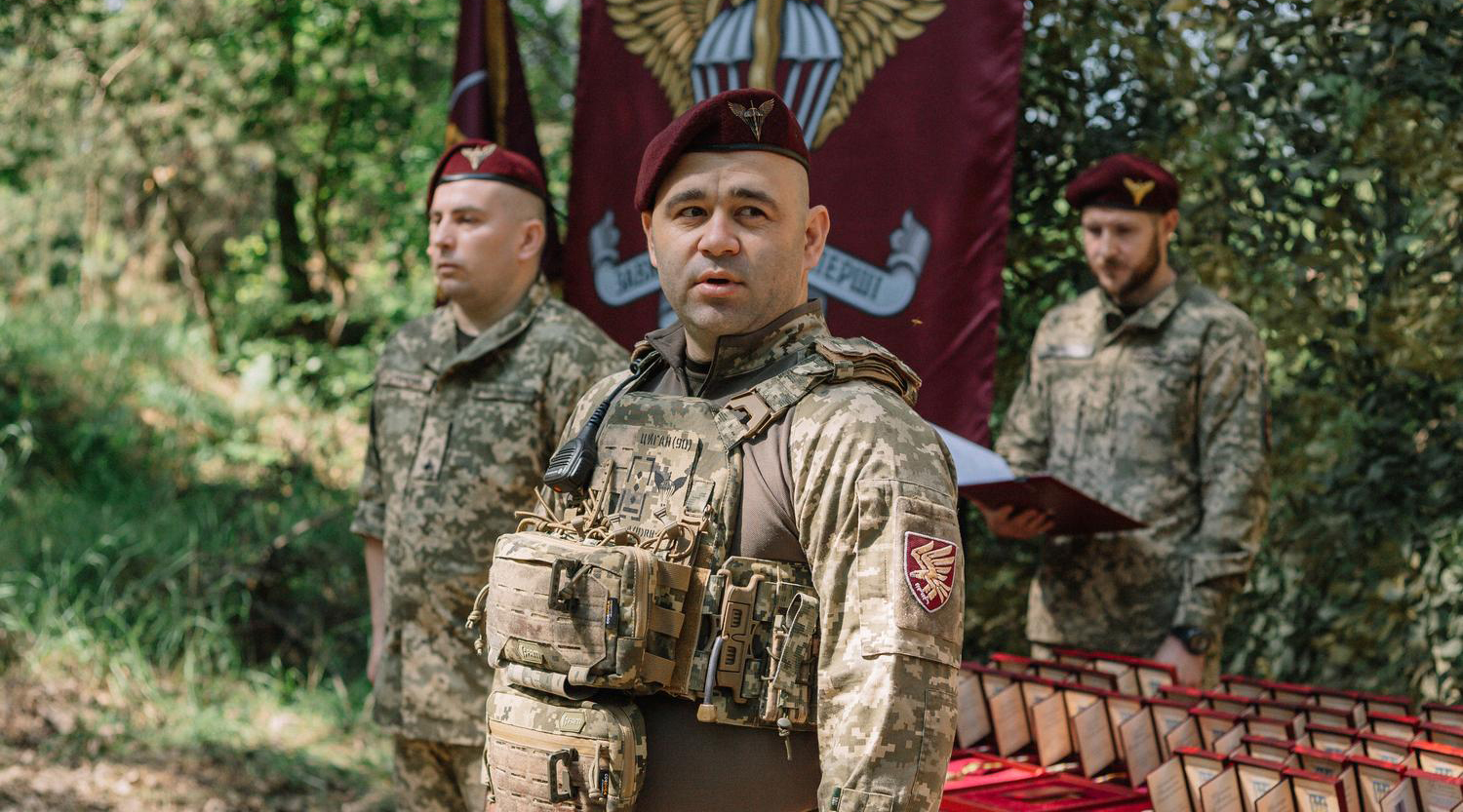
“AIR ASSAULT TROOPS ALLOW THE ENEMY NO RESPITE”
Q: Colonel Maryshev, what is the overall situation in the Oleksandrivske direction?
A: At present, the situation is favorable for implementing the measures set by higher command. Accordingly, the brigade continues to conduct operations in line with the approved plan. We are imposing our own rules of engagement on the enemy—denying them even a minute’s pause so they cannot bring up reserves or regroup.
Q: What tactics is the enemy using there? Are Russian forces employing any new methods, and how are Ukrainian air assault troops countering them?
“WE DICTATE THE TERMS OF BATTLE”
A: The enemy’s tactics have not introduced anything fundamentally new that could surprise us. They continue to deploy personnel in small and medium-sized assault groups that achieve no results. Occasionally, they use motorized groups, but these are also destroyed by our air assault troops. The enemy is unable to regain lost positions.
Overall, they are not changing either their philosophy of war or their approach to combat. Disregard for human life and basic values remains the cornerstone of Russian tactics.
Q: Is it currently possible to continue the offensive operation in this sector of the front?
A: Opportunities always exist for those who are willing to find them. This applies not only to the Oleksandrivske direction, but to the entire front line. A significant part of the work of my command, as well as the brigade and battalion headquarters, is focused precisely on identifying and exploiting such opportunities.
Any success must be built upon. If momentum is lost and the enemy is allowed to regroup, it can result in additional losses among our personnel.
In short, such opportunities do exist at present.
Q: Do you take Russian soldiers prisoner there? Who are they—regular troops or mobilized personnel?
A: This is already standard practice—we always take them prisoner, and here as well. They come from different segments of society: mobilized personnel, regular soldiers, and former convicts.
THE BRIGADE IS WELL EQUIPPED WITH MODERN WEAPONS AND DRONES
Q: Since the start of the full-scale war, you have carried out missions in various sectors. Which has been the most difficult?
A: Over this time, I have come to understand that there is no such thing as an easy or difficult sector—there is only one prolonged war that has been going on for many years. It is a common war for all the Ukrainian people, and we must end it only with victory.
All directions are difficult in their own way and differ from each other, as the war is evolving very rapidly.
Q: Which of the brigade’s operations do you consider the most successful?
A: The first was during the Kharkiv counteroffensive. We launched an offensive in our sector, and many settlements in Kharkiv, Donetsk, and Luhansk regions were liberated. We destroyed a large amount of enemy equipment, captured and eliminated many of their personnel, and seized trophy equipment.
The next was during the stabilization of the settlements of Terny and Toretsk. That was followed by a successful operation in the Russian region of Kursk, where the 95th Brigade took an active part. Then came the Dobropillia operation, the Pokrovsk direction, and now the Oleksandrivske direction.
From 2022 to 2026, nothing has changed for the 95th Brigade—we fight in all sectors where operations are underway.
Q: Are such rates of de-occupation of Ukrainian territory currently achievable, as during the Slobozhanshchyna offensive?
A: Given how the war has evolved between 2022 and 2026, such rates are now possible under one condition: the complete neutralization of the enemy’s UAV component along the axis of advance.
Q: Which moments from the Slobozhanshchyna operation stand out most in your memory? What examples of heroism can you highlight among your servicemen?
A: There were many acts of heroism. Settlements were liberated despite the enemy’s numerical superiority, which ultimately failed to translate into any effective resistance.
In some cases, a unit of just 20 servicemen liberated a settlement in a single day that had been defended by two enemy companies.
One particularly striking example is a soldier who single-handedly captured two Russian GRU special forces operatives.
In another instance, three servicemen of the 95th Brigade stopped enemy tanks, seized them as trophies, and took their crews prisoner.
Q: What does your brigade need most at this stage—personnel, weapons?
A: Our needs are consistent with those of any unit engaged in active combat. It resembles a kind of Maslow’s hierarchy, with people, drones, and weapons forming the foundation.
At present, my brigade is well supplied with modern weapons systems and UAV capabilities, which enables us to conduct combat operations effectively.
“TERRITORIAL CONCESSIONS ARE UNACCEPTABLE”
Q: Recently, you said that the fight for the Donetsk region will be a long one. How do you view statements, made in the context of negotiations, suggesting that the region should be ceded to the enemy in exchange for freezing the front line?
A: I view such statements negatively. They are unacceptable. It does not matter what piece of land we might give up if my servicemen and the Armed Forces of Ukraine have shed blood for it.
My 95th Separate Polissia Air Assault Brigade is prepared for any task, without territorial limitations. If it is necessary to destroy the enemy, we will do so across multiple directions.
Q: You have been at war since 2014. At the time, did you understand it would last this long?
A: Yes, although I was still quite young in 2014. This is a war between two fundamentally different spaces: the Ukrainian one, where people have historically fought for freedom, and the Russian one, which can more accurately be described as servitude.
It must be recognized and accepted that everything unfolding in our state follows a clear geopolitical and structural pattern; it could scarcely have evolved otherwise. I believe this war will continue for a long time.
“A COMMANDER HAS NO RIGHT TO GROW TIRED”
Q: Do you feel fatigue, and where do you find your motivation?
A: No, I do not feel fatigue. There are more important responsibilities—I do not have the right to be tired. I draw my motivation from my servicemen, my family, and my team. In turn, our servicemen are motivated by junior commanders, the NCO corps, and company and battalion commanders.
Q: A few months before the full-scale invasion, when you led a battalion, you said: “I never get nervous—any task will be accomplished because we are paratroopers.” Has that changed now that you command a brigade?
A: Nothing has changed for me since then. I do not get nervous. Of course, I worry about my personnel, because we remain paratroopers and continue to prove it on the battlefield.
Q: How do you motivate your subordinates, given that years of war inevitably lead to fatigue, exhaustion, and burnout?
A: Motivation is a collective effort. It begins with basic combined-arms training at the stage when a serviceman joins the brigade. Personnel are motivated by instructors and junior commanders, who in turn are motivated by those who come to serve alongside them.
The overall level of morale and psychological resilience within the brigade plays a key role in sustaining this process.
“ENDING THE WAR THROUGH NEGOTIATIONS IS ONLY POSSIBLE IF RUSSIA SURRENDERS”
Q: What is the most difficult aspect of war for you?
A: War is difficult in all its manifestations. The hardest part for me, as someone who has risen through every level—from platoon leader to brigade commander—is losing my personnel. Unfortunately, war does not exist without losses.
Q: In your view, can the war be ended through negotiations, or only on the battlefield?
A: From my perspective, ending the war through negotiations may be possible under one condition—if Russia signs a capitulation and withdraws from our territory beyond the administrative borders.
Any so-called peace agreement, in my view, would amount to little more than a pause before the next phase of active hostilities.
Therefore, the war can end only with the complete defeat of one of the parties. My position is clear: the enemy—the Russian Federation, which occupies our land—must be defeated.
Q: What would victory mean to you personally?
A: Every minor victory lays the groundwork for a greater one. Achieving it also requires those who have not yet joined the armed forces to do so.
For me personally, victory will mean that all my servicemen return home to their families; that every fallen soldier is brought back and laid to rest with honor as a hero; and that every captured member of the Armed Forces of Ukraine is returned home.
Iryna Chyrytsia led this conversation. Zhytomyr
Photos courtesy of the 95th Separate Polissia Air Assault Brigade